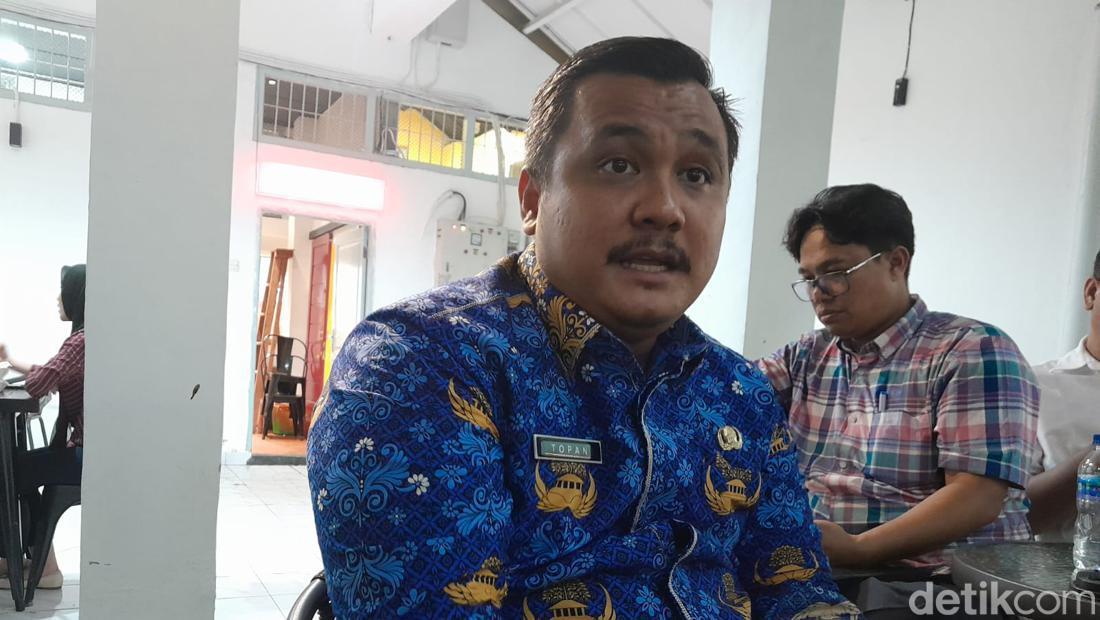
An anti-corruption court in Medan, Indonesia, on Wednesday sentenced Tuban Obaja Putra Ginting, who served as the head of the Public Works and Land Management Authority in North Sumatra, to 5.5 years in prison after being convicted of corruption and accepting bribes concerning road infrastructure projects.
During the court session, the presiding judge, Mardison, confirmed that Ginting was found guilty of receiving bribes and commitment fees, which negatively impacted public trust in the local government and hindered the progress of infrastructure projects.
Details of the Case
The court also imposed a fine of 200 million rupiah on Ginting, and if he fails to pay, he will face an additional 80 days in prison. Furthermore, he was ordered to pay 50 million rupiah in compensation, with the possibility of serving an alternative prison sentence of one and a half years if the amount is not paid.
In the same case, Rasuli Evendi Sirigar, who held the position of project contracting officer, was sentenced to 4 years in prison and a similar fine, along with a compensation payment of 250 million rupiah, which has already been paid to the state.
Background & Context
These rulings come as part of the Indonesian government's efforts to combat corruption, which is considered one of the country's biggest challenges. Anti-corruption laws have been strengthened since 2001, leading to increased public awareness of the importance of transparency and accountability in the public sector.
Historically, Indonesia has witnessed numerous corruption cases that have adversely affected economic and social development, resulting in a decline in citizens' trust in government institutions. Therefore, these rulings represent a significant step towards restoring confidence in the judicial system.
Impact & Consequences
These rulings serve as a strong message to all government officials that corruption will not be tolerated. The impact of this case may extend to bolstering efforts to combat corruption in Indonesia, potentially leading to an improved business environment and attracting foreign investments.
Moreover, the conviction of Ginting and Sirigar reflects the Indonesian government's commitment to fighting corruption, which may contribute to enhancing the country's image internationally and increasing citizens' trust in their government.
Regional Significance
Corruption issues are common challenges faced by many Arab countries, where numerous governments struggle with a loss of trust due to rampant corruption. The Indonesian experience in combating corruption may offer valuable lessons for Arab nations on how to enhance transparency and accountability.
In conclusion, the conviction of Ginting represents a positive step towards promoting integrity within the Indonesian government and underscores the importance of addressing corruption as a means to improve citizens' lives and foster sustainable development.