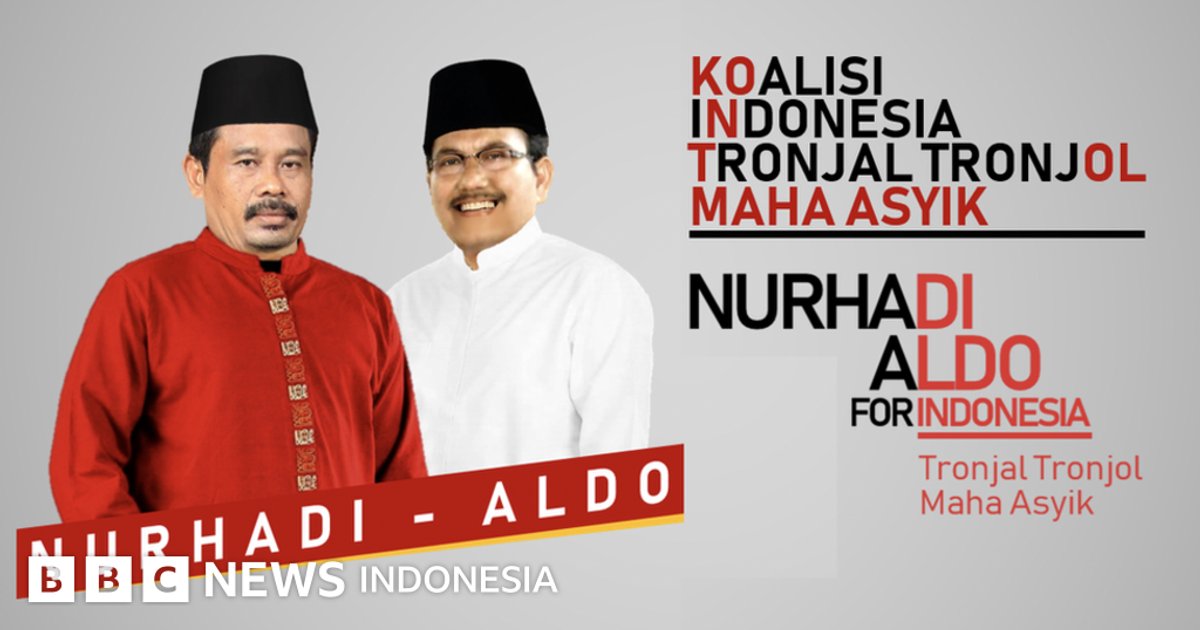
An Indonesian court has sentenced former Supreme Court Secretary Nur Hadi to 5 years in prison after he was convicted on charges of corruption and money laundering. The ruling was issued by Judge Fajar Kusuma Aji during a special court session in Jakarta, where it was proven that he received bribes amounting to 137.16 billion rupiah (around $9.2 million) from various parties, in addition to laundering 308.04 billion rupiah.
The court also imposed a fine of 500 million rupiah on Nur Hadi, which could be replaced by an additional prison sentence of 140 days if the fine is not paid. Furthermore, he was ordered to repay an amount equivalent to the bribes he received, estimated at 137.16 billion rupiah, with the possibility of substituting this with a 3-year prison sentence.
Details of the Case
The ruling, issued on Wednesday, comes after a series of investigations conducted by the Indonesian Corruption Eradication Commission, which accused Nur Hadi of accepting bribes from multiple parties, including private companies. In 2021, he was sentenced to 6 years for similar charges, but the latest ruling is considered more severe.
The case dates back to the period between 2011 and 2016, during which Nur Hadi served as the secretary of the Supreme Court. He was arrested in January 2022 after being released on parole, only to be detained again in June 2025 due to new corruption-related cases.
Background & Context
Corruption cases in Indonesia are a significant challenge facing the government, as authorities strive to combat corruption and enhance transparency within governmental institutions. In recent years, the country has witnessed numerous corruption scandals, increasing pressure on the government to improve the justice system and fight corruption.
The Corruption Eradication Commission was established in 2002 and has since investigated several high-profile cases, including those involving government officials and judges. The commission has proven effective in combating corruption, but challenges remain.
Impact & Consequences
This ruling may have a significant impact on the image of the judicial system in Indonesia, reflecting efforts to combat corruption within government institutions. It may also encourage further investigations into other corruption cases, potentially leading to the accountability of more officials.
On the other hand, this ruling could increase public trust in the judicial system, as citizens see that justice is being served and that corrupt individuals will not escape punishment. However, concerns persist that corruption may continue to influence judicial and political decisions.
Regional Significance
Corruption issues are also major challenges facing many Arab countries, where numerous governments struggle with a lack of transparency and accountability. Indonesia's experience in combating corruption could serve as a model for Arab countries seeking to improve their judicial systems and enhance trust in government institutions.
In conclusion, the sentencing of Nur Hadi is an important step in the fight against corruption in Indonesia, reflecting the government's commitment to achieving justice. Strengthening transparency and accountability is the path toward building strong and reliable government institutions, which is essential for all countries, including Arab nations.