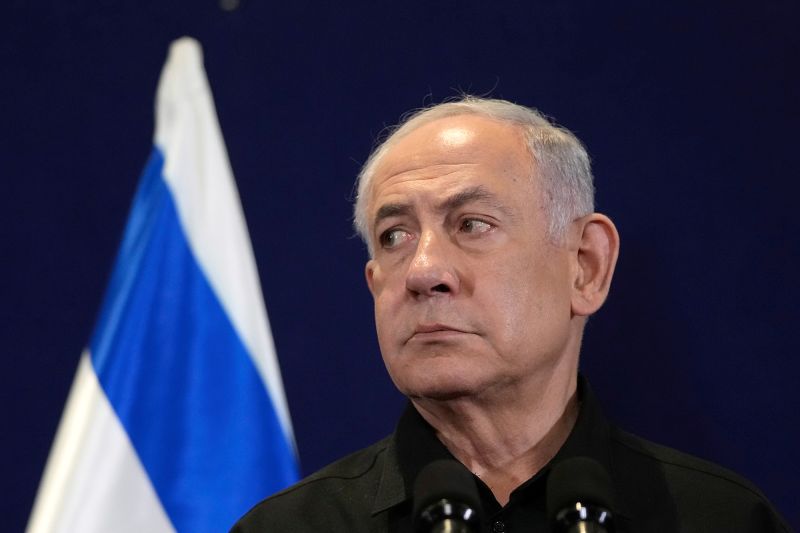
The Indonesian Corruption Court, known as 'Tipikor', has begun the trial of former Deputy Labor Minister Emmanuel 'Noel' Ibanez on charges related to extortion in the issuance of occupational safety and health certificates. The session held on May 18 witnessed the presentation of allegations against Noel and ten other defendants, sparking widespread interest in political and media circles.
During the session, Judge Nir Sari Paktina confirmed that investigations into the case had been completed, allowing the prosecutor to present their demands. The judge noted that the defendants are in good health while in custody, reflecting the orderly conduct of legal proceedings.
Details of the Case
Noel faces charges related to extortion in granting occupational safety and health certificates, where he allegedly imposed illegal fees on companies seeking to obtain these certificates. The total amount extorted is reported to be around 6.52 billion Indonesian Rupiah, with allegations that he received bribes exceeding 3.36 billion Rupiah, in addition to a 'Ducati' motorcycle.
The case also involves ten other defendants, with claims that Noel collaborated with them in executing these acts. The names of some victims who were subjected to extortion have been revealed, highlighting the extent of corruption prevalent in the labor administration.
Background & Context
This case is part of the Indonesian government's efforts to combat corruption, which remains one of the country's greatest challenges. Historically, Indonesia has witnessed numerous corruption cases involving government officials, leading to a loss of trust in public institutions.
The 'Tipikor' court was established in 2002 as part of the government's strategy to combat corruption and has proven effective in prosecuting many high-profile cases. This case represents a new test for the integrity of the judicial system in the country.
Impact & Consequences
If Noel is convicted, it could have serious repercussions for the Indonesian government, affecting its reputation in the fight against corruption. Additionally, this case may encourage more victims to report corruption cases, thereby strengthening anti-corruption efforts in the country.
On the other hand, this case could impact the relationship between the government and the private sector, as investors may hesitate to engage with the government if corruption cases continue to surface.
Regional Significance
Corruption cases are also prevalent in many Arab countries, where some governments struggle with a loss of trust due to rampant corruption. Indonesia's experience in combating corruption may serve as a model for Arab countries seeking to improve their reputation and enhance transparency.
In conclusion, the Noel case presents an opportunity to reconsider how governmental affairs are managed and to promote transparency and accountability worldwide.