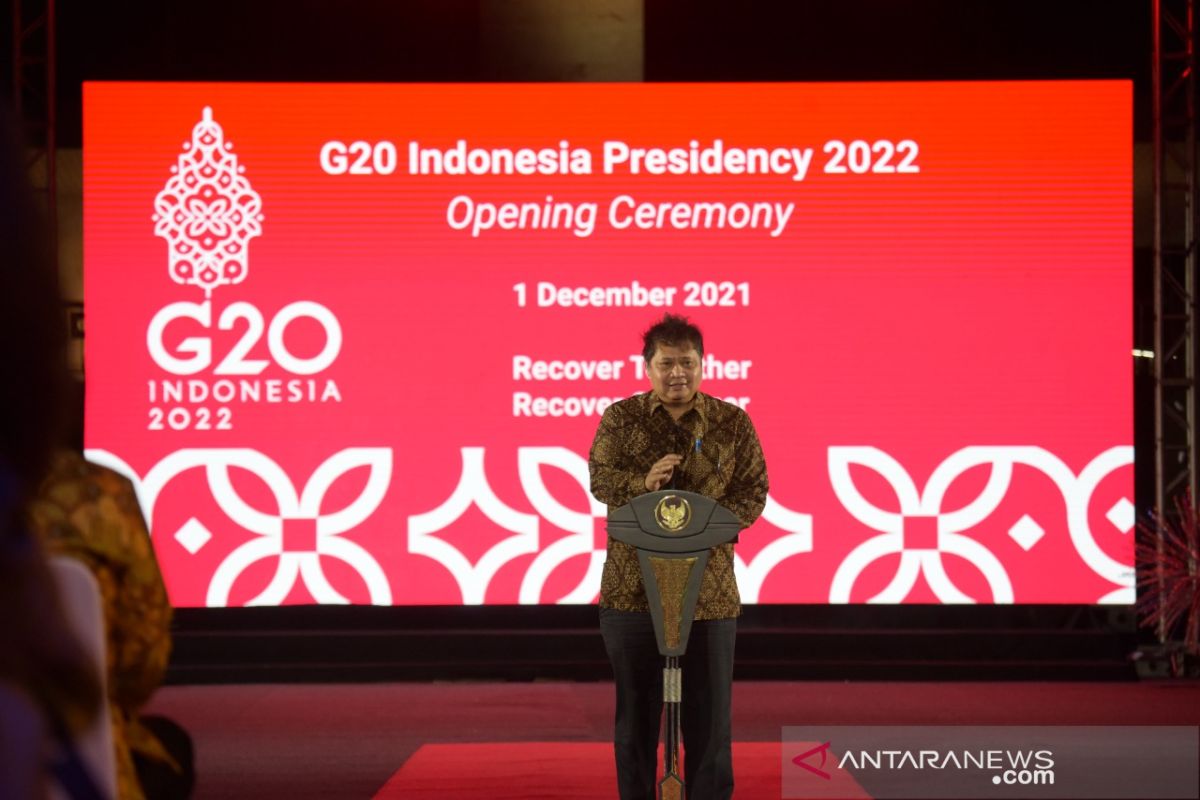
Indonesian Coordinating Minister for Economic Affairs, Airlangga Hartarto, affirmed the strong resilience and growth potential of the Indonesian economy despite global economic challenges during a special event in Jakarta. He noted that many national economic indicators remain stable.
Hartarto explained that the Indonesian economy achieved a growth rate of 5.11% last year, with expectations to increase this figure to 5.4% by 2026. He also indicated that growth in the first quarter of 2026 could exceed 5.5%.
Event Details
During his speech, Hartarto emphasized that inflation remains under control at a rate of 3.48%, and the consumer confidence index remains high at 122.9. He pointed out that domestic consumption constitutes the backbone of the economy, contributing approximately 54% to the gross domestic product.
On the external front, the minister reported that Indonesia's trade balance has achieved a surplus for 70 consecutive months, amounting to 148.2 billion USD. He also noted that the external debt ratio remains at 29.9% of the gross domestic product.
Background & Context
Historically, the Indonesian economy has undergone significant transformations over the years, successfully overcoming numerous global financial crises. Indonesia is one of the largest economies in Southeast Asia and plays a pivotal role in the region.
Indonesia is characterized by its rich natural resources, enhancing its ability to face crises. The Indonesian government is also working to boost both domestic and foreign investments, contributing to sustainable economic growth.
Impact & Consequences
Hartarto's recent statements serve as a positive indicator of Indonesia's ability to confront global economic challenges, especially amid recurring crises in the global economy. Forecasts suggest that Indonesia may be less susceptible to recession compared to other countries such as the United States and Canada.
These figures underscore that Indonesia is capable of maintaining its economic stability, thereby boosting investor confidence in the Indonesian market. Furthermore, positive forecasts from international financial institutions such as the International Monetary Fund and the Asian Development Bank reflect the strength of the Indonesian economy.
Regional Significance
Indonesia is considered one of the largest economies in the world, and its economic strength may influence trade relations with Arab countries. Amid global economic challenges, Arab nations may seek to enhance trade cooperation with Indonesia to benefit from its economic stability.
Additionally, Indonesia serves as a model for how to handle economic crises, providing valuable lessons for Arab countries on how to enhance their economic resilience.