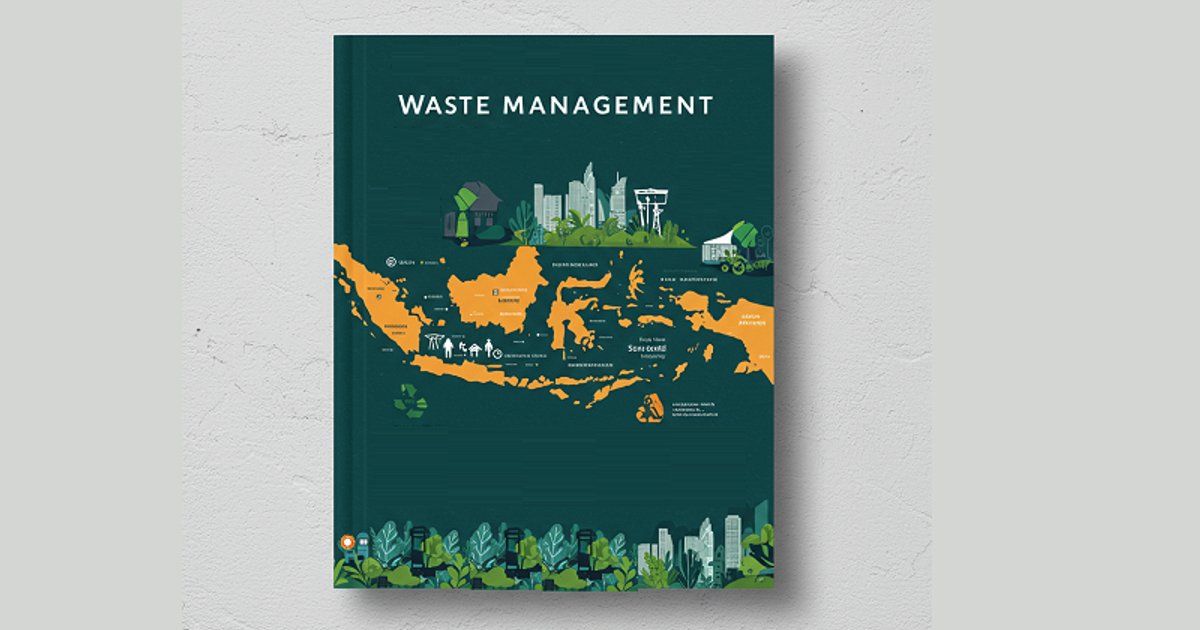
Indonesian Environment Minister Hanif Faisal Norfiq conducted a field visit to a waste management project spanning 6.3 hectares in the capital city of Jakarta. This visit is part of the government's efforts to improve waste management and promote environmental sustainability.
During the visit, the minister emphasized the importance of the project in effectively managing waste, noting that Indonesia faces significant challenges in waste management, with waste volumes continuously increasing due to population growth and urban expansion.
Details of the Event
The minister explained that the new waste management project aims to convert waste into usable resources, contributing to reducing the environmental impact of waste disposal. He also pointed out that the project incorporates modern waste processing technologies, reflecting the Indonesian government's commitment to environmental sustainability.
Furthermore, the minister stated that the project will enhance Indonesia's capacity to achieve sustainable development goals, particularly in waste management. He stressed the importance of collaboration between the government, the private sector, and local communities to ensure the project's success and achieve its objectives.
Background & Context
Indonesia is among the countries facing significant challenges in waste management, with estimates indicating that the country produces over 65 million tons of waste annually. With the increasing population and urban growth, pressures on traditional waste management systems are mounting, necessitating innovative and sustainable solutions.
In recent years, the Indonesian government has launched several initiatives to improve waste management, including promoting recycling and reducing plastic use. However, challenges remain, making projects like the waste management initiative in Jakarta essential.
Impact & Consequences
The waste management project is expected to improve the quality of life in Jakarta by reducing pollution and enhancing waste management. It could also have a positive impact on the local economy by creating new job opportunities in the waste management sector.
Moreover, the project could serve as a model for other countries facing similar waste management challenges, enhancing Indonesia's position as a supporter of environmental sustainability in the region.
Regional Significance
Many Arab countries also face challenges in waste management, with increasing waste volumes due to population growth and urban expansion. The Indonesian experiences in waste management could inspire Arab countries to develop effective and sustainable strategies in this field.
Additionally, cooperation between Arab countries and Indonesia in waste management could facilitate knowledge and experience exchange, bolstering environmental sustainability efforts in the region.