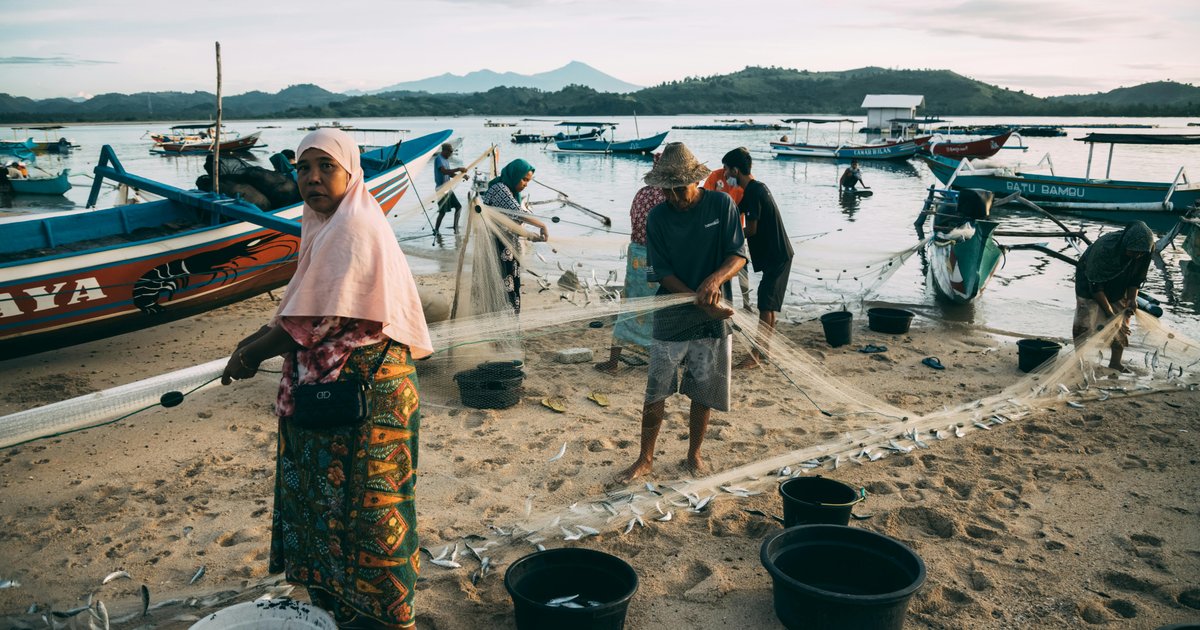
Indonesian President's Office Chief Muhammad Qudari announced that 61 out of 65 fishing villages in Indonesia have achieved a notable increase in productivity and income. This announcement was made during a press conference held on Wednesday, highlighting government efforts to improve the conditions of fishermen.
This increase in productivity is a result of government programs aimed at supporting local fishermen, including the provision of modern equipment and training on sustainable fishing techniques. Qudari noted that these initiatives have contributed to enhancing income and improving living standards in coastal communities.
Event Details
During the conference, Qudari explained that the government is working on developing infrastructure in coastal areas, making it easier for fishermen to access local and international markets. Financial support has also been provided to fishermen through affordable loans, helping them purchase new boats and advanced fishing equipment.
Additionally, workshops have been organized to teach fishermen how to use modern technology in their fishing operations, leading to increased production efficiency. Reports have shown that these efforts have resulted in improved fish quality sold and increased demand in the markets.
Background & Context
Indonesia is considered one of the largest fish-producing countries in the world, with many of its residents relying on fishing as a primary source of income. However, there have been significant challenges facing this sector, including overfishing and climate change, which have negatively impacted marine resources.
In recent years, the Indonesian government has begun taking serious steps to address these issues by implementing policies aimed at protecting the marine environment and promoting sustainability. These policies have contributed to improving the economic situation of fishermen and increasing sector productivity.
Impact & Consequences
This increase in productivity is a positive indicator of the success of government policies in supporting the fishing sector. These improvements are expected to lead to increased investments in the sector, contributing to the creation of more job opportunities and improving living standards in coastal communities.
Moreover, enhancing productivity can contribute to achieving food security in Indonesia, as the increase in production can meet local market needs and contribute to exporting fish to global markets.
Regional Significance
Indonesia's experience in supporting the fishing sector serves as a model that Arab countries facing similar challenges in this sector can benefit from. Many Arab countries rely on fishing as a primary source of food and income, and there may be opportunities to apply similar strategies to improve productivity and enhance sustainability.
In conclusion, these developments in Indonesia represent an important step towards achieving sustainable development in the fishing sector, reflecting the importance of cooperation between the government and local communities to achieve economic and social goals.