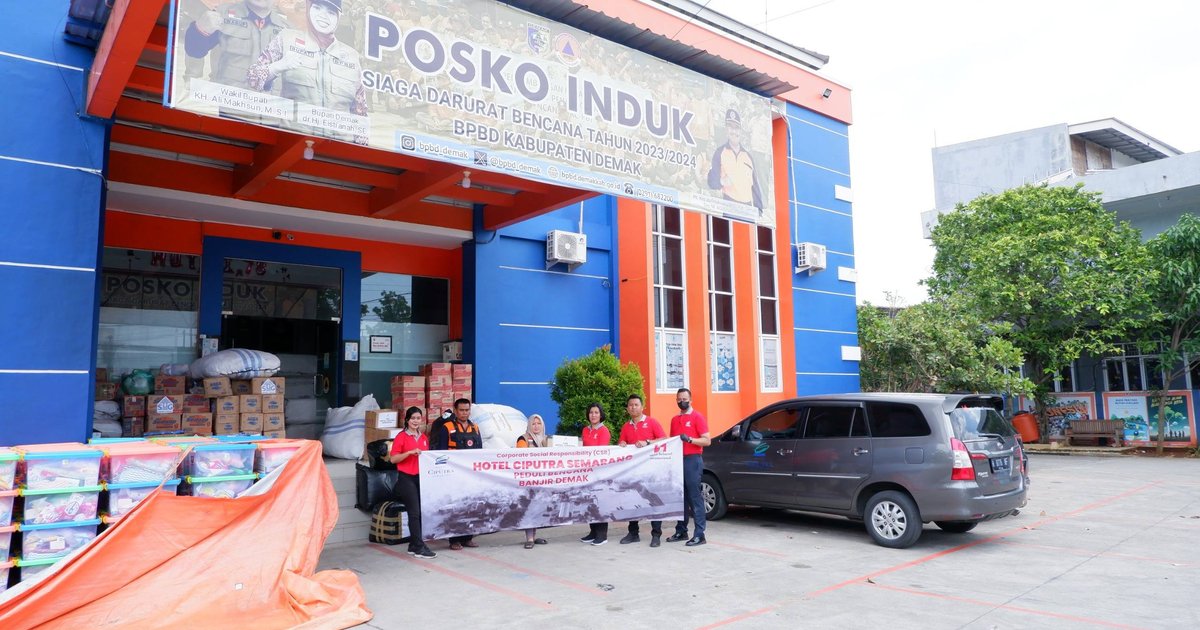
The Central Java government in Indonesia, led by Governor Ahmad Lutfi, has emphasized the importance of providing essential services to those affected by the floods that swept through the Demak region. This commitment was made during the governor's visit to evacuation centers, where he highlighted the need to comprehensively meet the needs of the affected population.
In his statements, Lutfi explained that the government is working to ensure the provision of education, healthcare, and food supplies to the victims, stressing that these services must be available without interruption. Approximately 2,839 people have been registered as displaced due to the floods that occurred following the collapse of the Tuntang River dam last Friday.
Details of the Incident
The floods have affected eight villages across four districts, with residents evacuated to shelters such as the Guntur Municipality Office. Images from the shelters show some displaced individuals sleeping on the ground or sitting in hallways while waiting for conditions to improve at their homes.
During his visit, Lutfi distributed aid to the displaced, with the total assistance provided by the Central Java government amounting to approximately 236,985,411 Indonesian Rupiah, collected from various government agencies such as the Disaster Management Agency, the Ministry of Social Affairs, and the Ministry of Health.
Background & Context
Flooding is a recurring phenomenon in Indonesia, as the country experiences heavy rainfall seasons that lead to rising water levels in rivers. Historically, Indonesia has witnessed numerous natural disasters, including floods and earthquakes, necessitating a swift response from the government and local communities.
In recent years, flooding has significantly increased due to climate change, impacting the lives of millions of residents. Improving infrastructure and water management are key priorities for the Indonesian government to mitigate the effects of these disasters.
Impact & Consequences
The recent floods underscore the urgent need to develop effective strategies for dealing with natural disasters. This requires coordination among various government entities and civil society to ensure that aid is delivered quickly and efficiently to those affected.
Moreover, floods disrupt local economies, as business and agricultural activities are halted, leading to significant financial losses. Therefore, enhancing the government's response to these disasters is vital for maintaining the stability of the local economy.
Regional Significance
Natural disasters such as floods pose challenges for many countries, including those in the Arab world. Despite differing climatic conditions, the lessons learned from Indonesia's response can be beneficial for Arab nations in developing effective disaster management strategies.
Furthermore, cooperation among countries in sharing knowledge and experiences in disaster management can contribute to improving responses to these challenges, thereby enhancing the ability of nations to face future crises.