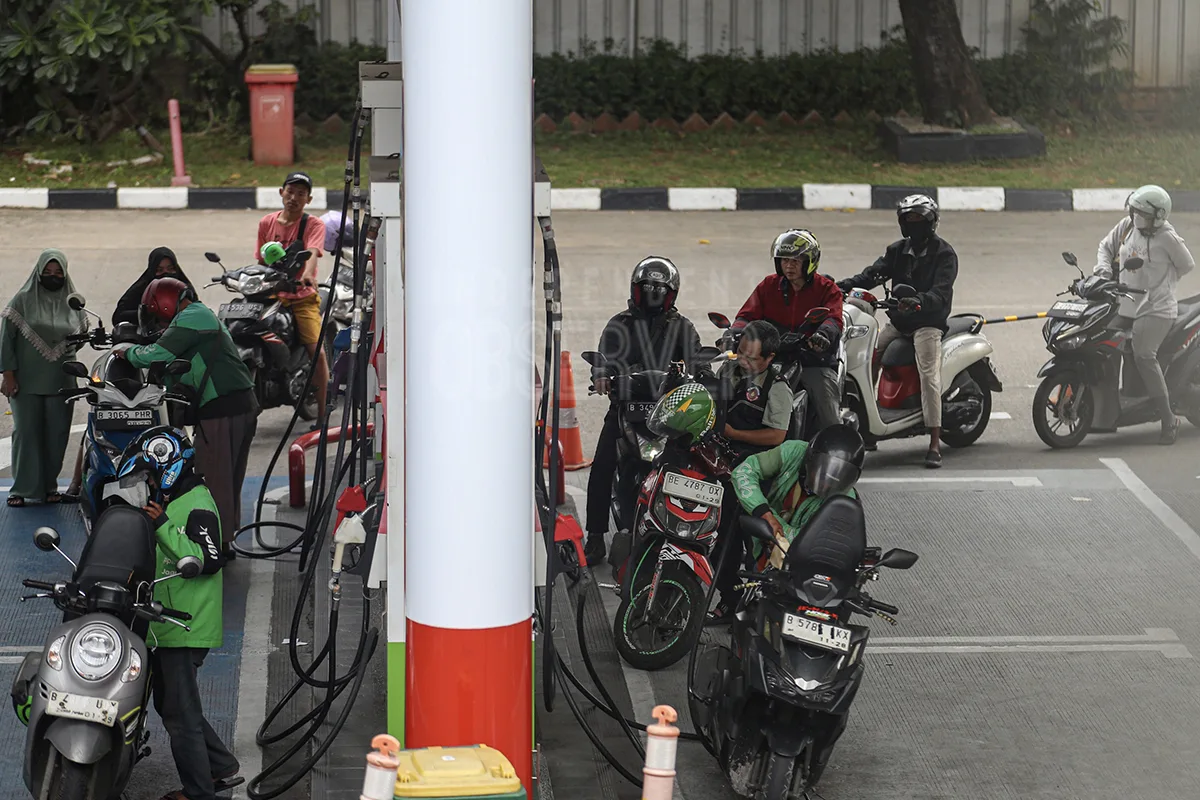
Indonesian Finance Minister, Sri Mulyani Indrawati, confirmed that the prices of subsidized fuel in the country will remain stable until the end of 2026, despite the ongoing rise in global oil prices resulting from escalating tensions between the United States and Israel on one side and Iran on the other.
Indrawati explained during a meeting with the finance committee in the Indonesian parliament that the government has devised a plan to ensure price stability, noting that prices will remain at an average of 100 US dollars per barrel until the end of the year.
Details of the Announcement
Indrawati stated, "We are prepared to keep prices unchanged until the end of the year for subsidized fuel, considering that oil prices may reach 100 dollars per barrel." She emphasized that the government has taken proactive measures to address any potential increases in global oil prices, whether they reach 80 dollars or 100 dollars per barrel.
She also pointed out that the government has multiple funding sources to cope with any pressures that may arise from rising oil prices, including a budget surplus of 420 trillion rupiah, along with 200 trillion rupiah deposited in banks.
Background & Context
Indonesia is considered one of the largest oil-consuming countries in Southeast Asia, with many of its citizens relying on government-subsidized fuel. In recent years, the country has experienced significant fluctuations in oil prices, impacting the national economy.
Historically, the Indonesian government has taken stringent measures to control fuel prices, as there have been public protests against any price increases, prompting the government to implement measures to protect consumers.
Impact & Consequences
These statements come at a sensitive time, as pressures are mounting on the Indonesian government due to rising living costs. The stability of subsidized fuel prices is seen as a positive step to maintain local market stability.
However, the greatest challenge remains how to manage the national budget in light of rising global oil prices, as any future increases could affect the government's ability to provide financial support to citizens.
Regional Significance
Arab countries are significantly affected by global oil prices, as most of their economies primarily depend on oil exports. Therefore, any changes in oil prices could impact the stability of Arab economies.
The stability of fuel prices in Indonesia could serve as a model for some Arab countries facing similar challenges, as prudent government policies can help alleviate burdens on citizens.