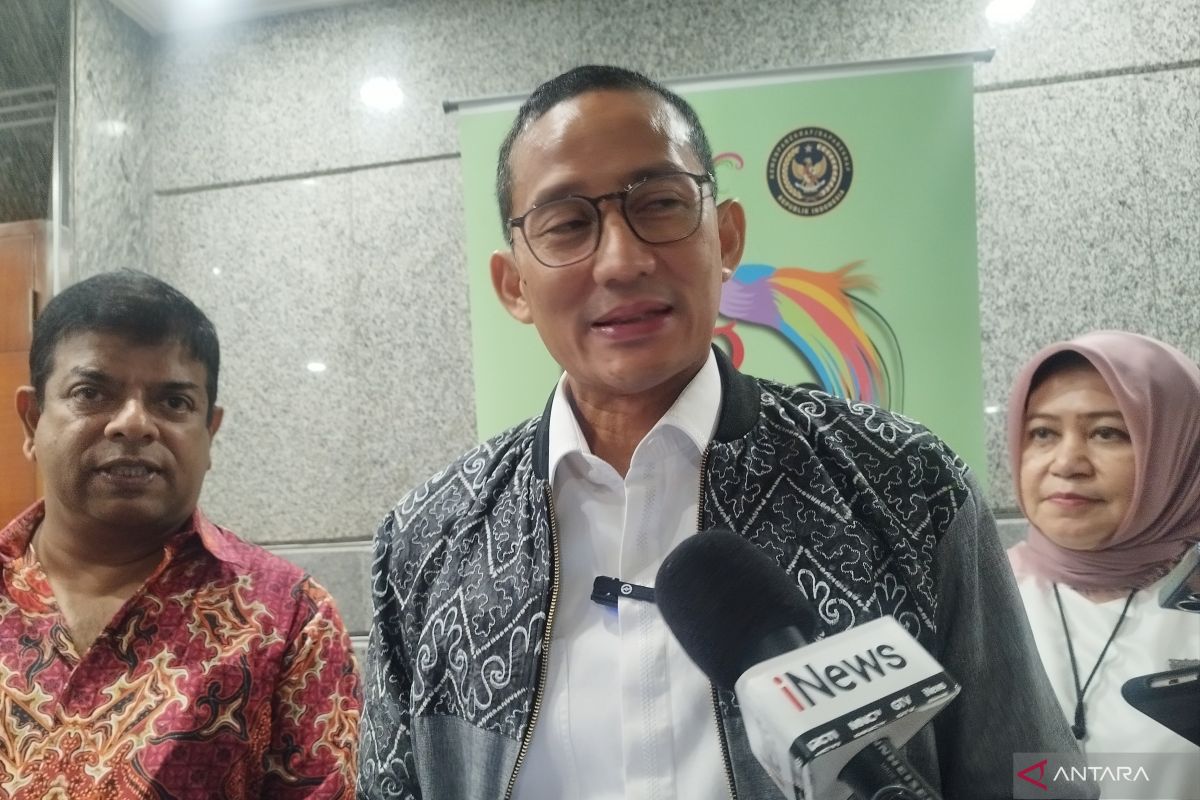
The Indonesian government has unveiled a new initiative aimed at promoting the creative economy by establishing dedicated departments in regions, with the goal of strengthening the industrial framework and expanding support for creators. This announcement was made by the Minister of Creative Economy, Tiko Rivki Harsia, during a meeting with several industry professionals in the capital, Jakarta.
The minister explained that many regions have already begun adding new jobs related to the creative economy to their organizational structures, with approximately 22 provinces and 70 municipalities registered in this process, raising the total number to around 80 areas seeking to develop this sector.
Event Details
Tiko Rivki Harsia noted that these new departments do not need to be independent; they can be integrated with other sectors such as tourism, culture, or small and medium enterprises. He emphasized the importance of having a dedicated focus on the creative economy within these departments to ensure that necessary support is provided to creators.
The minister added that having creative economy departments in regions is vital to ensure that creators have access to a variety of services, ranging from training to financial support. He expressed hope that the number of local sponsors supporting creators in areas such as financing, markets, and legal protection would increase.
Background & Context
This step comes at a time when the creative economy in Indonesia is experiencing significant growth, as this sector is considered one of the main factors contributing to job creation and improving local income. Reports have shown that many mayors have noticed the impact of this growth on reducing poverty rates and increasing local revenues.
Historically, the creative economy in Indonesia has faced significant challenges, including a lack of information and support. However, the shift towards establishing specialized departments reflects the government's commitment to enhancing this sector and achieving sustainable development.
Impact & Consequences
The establishment of creative economy departments is expected to improve the business environment for creators, making it easier for them to access the necessary information and resources. This approach will also help foster collaboration between creators and the government, contributing to the development of effective strategies to support this sector.
Moreover, this initiative could attract both foreign and local investments into the creative economy, enhancing Indonesia's competitiveness in the global market. This is crucial given the current global economic challenges.
Regional Significance
Indonesia's experience in promoting the creative economy could serve as a model for Arab countries, where many nations face similar challenges in supporting creators and fostering innovation. Strengthening the creative economy can contribute to creating new job opportunities and improving living standards in the region.
In conclusion, the establishment of creative economy departments in Indonesia represents an important step towards enhancing economic and social development, reflecting the government's vision to support creators and achieve sustainable development.