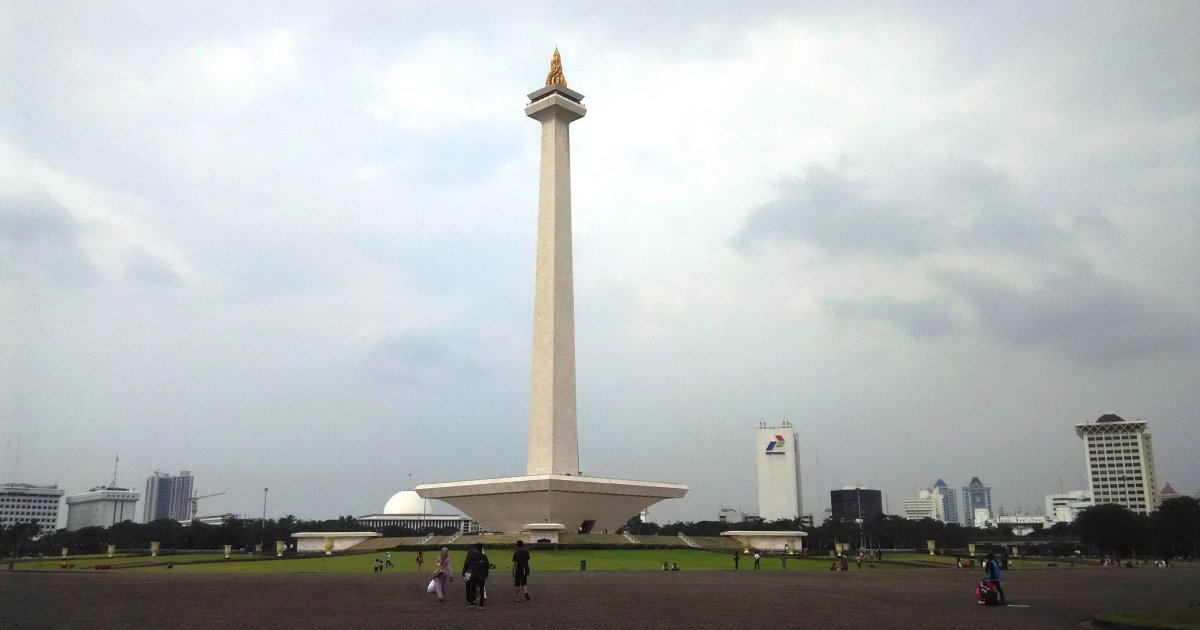
In a move aimed at enhancing the Eid al-Fitr experience, the Indonesian government has announced the provision of free transport services for citizens to attend the People Market at the National Monument (Monas) area in Jakarta. This service was organized last Saturday, facilitating citizens' access to food and essential goods.
Teddy Indra Wijaya, the Secretary of the Cabinet, explained that the transport of citizens was conducted in cooperation with local authorities, where citizens' names were registered by neighborhood heads (RT/RW) to ensure organized trips. Buses were provided by the police to transport citizens to the site.
Event Details
This initiative comes under the slogan "People's Palace," designed to provide a comprehensive experience for citizens, especially those who could not return to their villages during Eid al-Fitr. Teddy noted that the goal is to enable as many citizens as possible to enjoy the festive atmosphere, whether they had left or returned from their villages.
Additionally, the free transport services allow citizens to enjoy the market's atmosphere without worrying about transport costs. The event witnessed a significant turnout from citizens, leading to long queues, but they expressed their happiness while waiting.
Background & Context
This initiative is part of the Indonesian government's efforts to boost the local economy and support low-income families. The People Market aims to provide essential goods at affordable prices, helping citizens face the economic challenges they may encounter, especially during festive periods.
Historically, Indonesia has organized similar events during holidays, as the government seeks to strengthen social bonds among citizens and provide opportunities for interaction and celebration. These initiatives reflect the government's commitment to improving living standards and enhancing social solidarity.
Impact & Consequences
This initiative demonstrates the importance of government support in strengthening social and economic ties among citizens. Providing free transport services reflects the government's commitment to achieving social justice and enhances citizens' sense of belonging and comfort during festive periods.
Moreover, this event may contribute to boosting the local economy by supporting small and medium-sized enterprises participating in the market. Therefore, the success of this initiative could encourage the government to organize similar events in the future, further enhancing citizen participation in social and economic activities.
Regional Significance
This initiative serves as a model for Arab countries, where governments could benefit from organizing similar events to strengthen social bonds and support low-income families. Given the economic challenges faced by many Arab nations, such events could be an effective means of improving living standards and enhancing social solidarity.
In conclusion, this initiative reflects the Indonesian government's efforts to strengthen social and economic ties and provide necessary support to citizens during festive periods. The success of this event may encourage the organization of more similar activities in the future, enhancing citizens' experiences and reflecting the government's commitment to improving living standards.