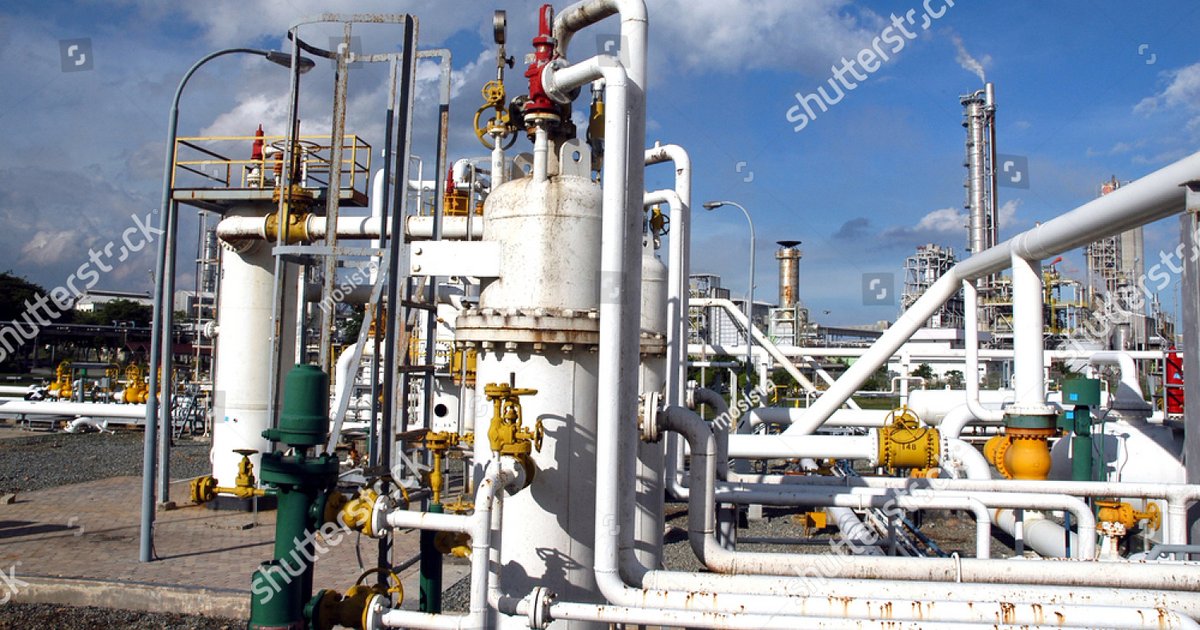
The Indonesian government has reaffirmed its commitment to providing fuel in remote areas through the 'Uniform Price Fuel' program, which aims to ensure the availability of fuel in underdeveloped and remote regions. This statement was made by Wheody Anas, the head of the regulatory agency for oil and gas in Indonesia, during a press conference in the capital Jakarta.
He explained that this program is part of the state's duty to supply fuel to citizens in areas that face accessibility challenges, noting that the government employs multiple transportation methods, including land, sea, and air transport, to ensure fuel reaches these regions.
Event Details
In the context of implementing this program, Wheody Anas witnessed the fuel transportation process using an Air Tractor aircraft from Juwata Airport in Tarakan to Yuvai Semaring Airport in Long Pawan Village, located in the Krayan area of Nunukan province, which borders Sarawak in Malaysia. He confirmed that this operation requires significant efforts due to the high risks associated with transporting fuel to remote areas.
He noted that fuel transportation occurs up to three times a day, with each aircraft capable of carrying approximately 3,000 liters of biofuel or 4,000 liters of Pertalite. The round trip takes about two hours.
Background & Context
Indonesia is one of the countries facing significant challenges in providing basic services to remote areas, where these regions suffer from a lack of infrastructure and transportation means. The government has launched several programs aimed at improving living standards in these areas, including providing affordable fuel.
Historically, Indonesia has heavily relied on traditional energy sources, but with the increasing demand for fuel, the government has begun to seek innovative solutions to ensure fuel availability across the country, including in remote areas.
Impact & Consequences
This step by the Indonesian government is extremely important, as it contributes to improving living standards in remote areas and enhances access to basic services. Additionally, providing fuel at uniform prices helps reduce the economic gap between urban and remote areas.
Moreover, this program reflects the government's commitment to achieving social justice and providing equal opportunities for all citizens, regardless of their geographical location.
Regional Significance
Indonesia's experience in providing fuel to remote areas could serve as a model for Arab countries facing similar challenges. Many Arab nations suffer from a lack of basic services in distant regions, necessitating effective strategies to ensure the availability of these services.
In conclusion, the Indonesian government's efforts to supply fuel to remote areas highlight the importance of strategic planning in addressing developmental challenges and may inspire other countries in the region.