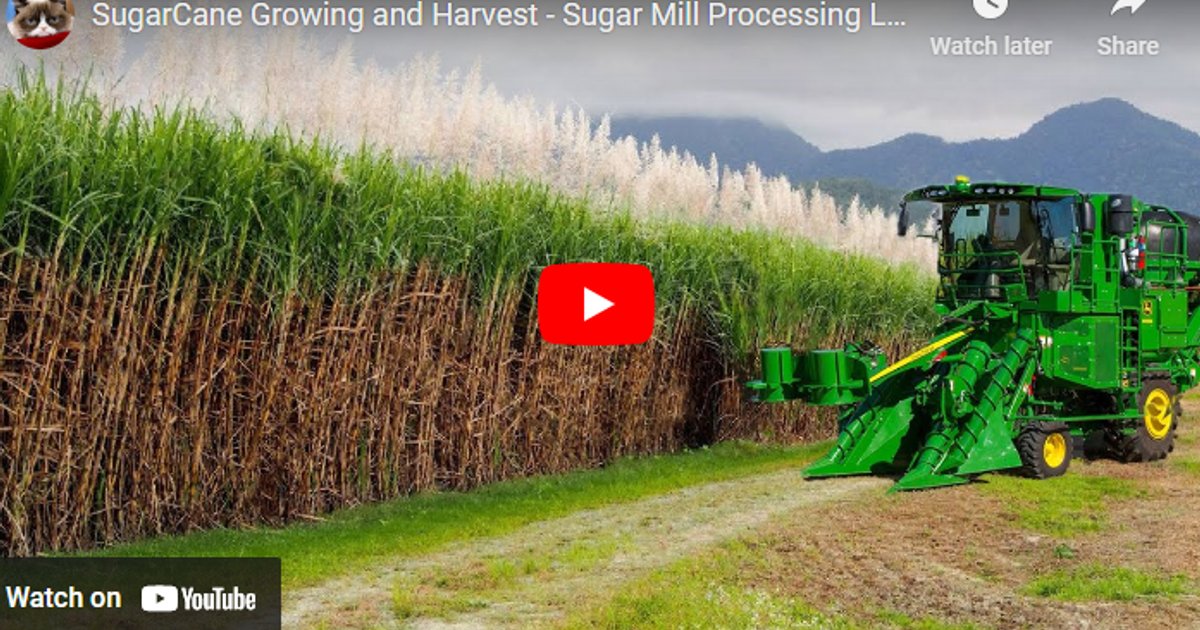
The Indonesian government has announced a budget allocation of 1.7 trillion rupiah to modernize sugarcane farming as part of a strategy aimed at enhancing productivity and achieving self-sufficiency in sugar by 2027. This announcement was made during a working meeting with the Indonesian parliament in the capital Jakarta, where Minister of Agriculture Andi Amran Sulaiman emphasized the importance of this project in strengthening national food security.
The minister explained that this budget will be dedicated to supporting the modernization program for sugarcane farming over an area of 100,000 hectares annually, with the goal of replacing old plants that are no longer productive. He noted that the government hopes this program will contribute to achieving self-sufficiency in white sugar by 2027.
Details of the Initiative
During the meeting, Amran pointed out that Indonesia needs approximately 6.7 million tons of sugar annually, while the country currently produces only 2.67 million tons, necessitating urgent steps to increase production. He confirmed that 70-80% of the 500,000 hectares of sugarcane cultivation in the country has become unproductive, negatively impacting national productivity.
Therefore, the program aims to gradually renew sugarcane farming on 300,000 hectares, targeting 100,000 hectares each year. Amran clarified that the current renewal rate does not exceed 10%, which requires accelerating efforts through government financial support.
Background & Context
Historically, Indonesia has been one of the sugar-producing countries; however, declining productivity in recent years has led to reliance on imports to meet local market needs. This has resulted in rising sugar prices and negative impacts on local farmers.
Sugarcane farming is a vital sector in the Indonesian economy, providing job opportunities for many families. However, the challenges facing this sector, such as land degradation and rising production costs, require effective strategies for modernization and development.
Impact & Consequences
If the government successfully implements this program, it is expected to lead to a significant increase in local sugar production, contributing to self-sufficiency. This will also help improve the economic situation of farmers and enhance food security in the country.
Moreover, boosting local sugar production could reduce reliance on imports, contributing to price stability in the local market. The development of industries related to sugarcane farming, such as ethanol production from molasses, could further increase the added value of agricultural products.
Regional Significance
Indonesia is one of the largest sugar producers in the world, and its agricultural policies may impact global sugar markets. If Indonesia succeeds in achieving self-sufficiency, it could lead to fluctuations in sugar prices in Arab and global markets.
Additionally, Indonesia's experiences in modernizing agriculture could serve as a model for Arab countries facing similar challenges in the agricultural sector, fostering agricultural cooperation among nations.