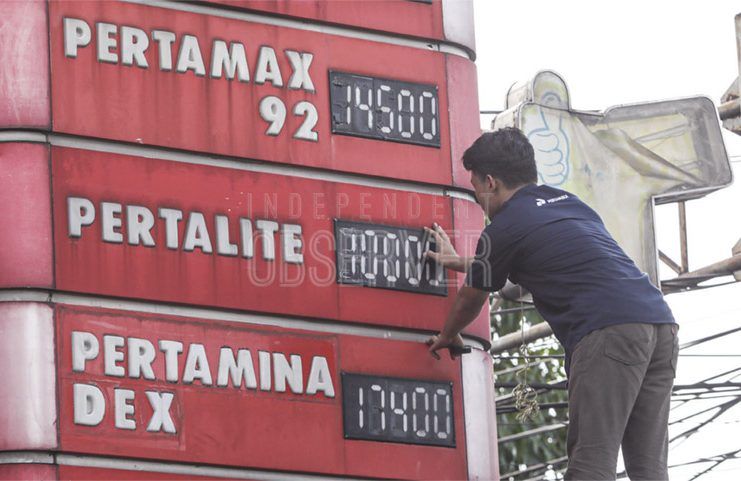
In a move aimed at enhancing economic stability, the Indonesian government announced it will not raise fuel prices, a decision that parliament members view as a strategic step amid global economic challenges. This announcement was made by Hamka B. Kadi, a member of the Indonesian parliament's transportation committee, who emphasized that this decision reflects the government's commitment to maintaining the purchasing power of citizens.
This policy comes at a time when the world is witnessing a significant rise in energy prices, placing considerable pressure on developing countries like Indonesia. Hamka noted that the government made this decision on April 1, 2026, which reflects an effective response to current economic challenges.
Details of the Announcement
In his statements, Hamka B. Kadi confirmed that the government's decision not to raise fuel prices, whether subsidized or non-subsidized, is a necessary step to maintain national stability. He also urged citizens not to rush to gas stations, as this could lead to long queues and increase pressure on the system.
He pointed out that this decision comes amid tense geopolitical conditions in some countries, where energy prices have risen sharply. Hamka praised the efforts of Bahili Lahadalia, the Minister of Energy and Mineral Resources, who conducts regular assessments of global energy price developments to ensure that policies align with the interests of citizens, particularly vulnerable groups.
Background & Context
Historically, Indonesia has experienced significant fluctuations in fuel prices, which have notably impacted the national economy. In recent years, the government has faced substantial challenges due to rising global oil prices, prompting it to make difficult decisions regarding fuel subsidies.
In 2022, the government raised subsidized fuel prices, which sparked widespread protests. However, the current government appears to be seeking to avoid a repeat of those scenarios by making more cautious decisions.
Impact & Consequences
The government's decision not to raise fuel prices is considered a positive step in the context of maintaining economic stability. This decision may help reduce inflationary pressures on citizens, thereby enhancing their purchasing power amid difficult economic conditions.
Furthermore, this decision could contribute to strengthening trust between the government and citizens, as it demonstrates the government's commitment to protecting their interests during times of crisis. Nevertheless, the government must remain vigilant regarding global changes in energy prices and be prepared to take additional measures if necessary.
Regional Significance
Indonesia's decision not to raise fuel prices serves as a model for the Arab region, where many Arab countries face similar challenges related to energy prices. Amid tense geopolitical conditions, such policies may be beneficial in maintaining economic and social stability.
It is essential for Arab countries to learn from Indonesia's experiences in managing fuel prices, especially in light of increasing economic crises. Enhancing cooperation among countries in this area could contribute to greater stability in the region.