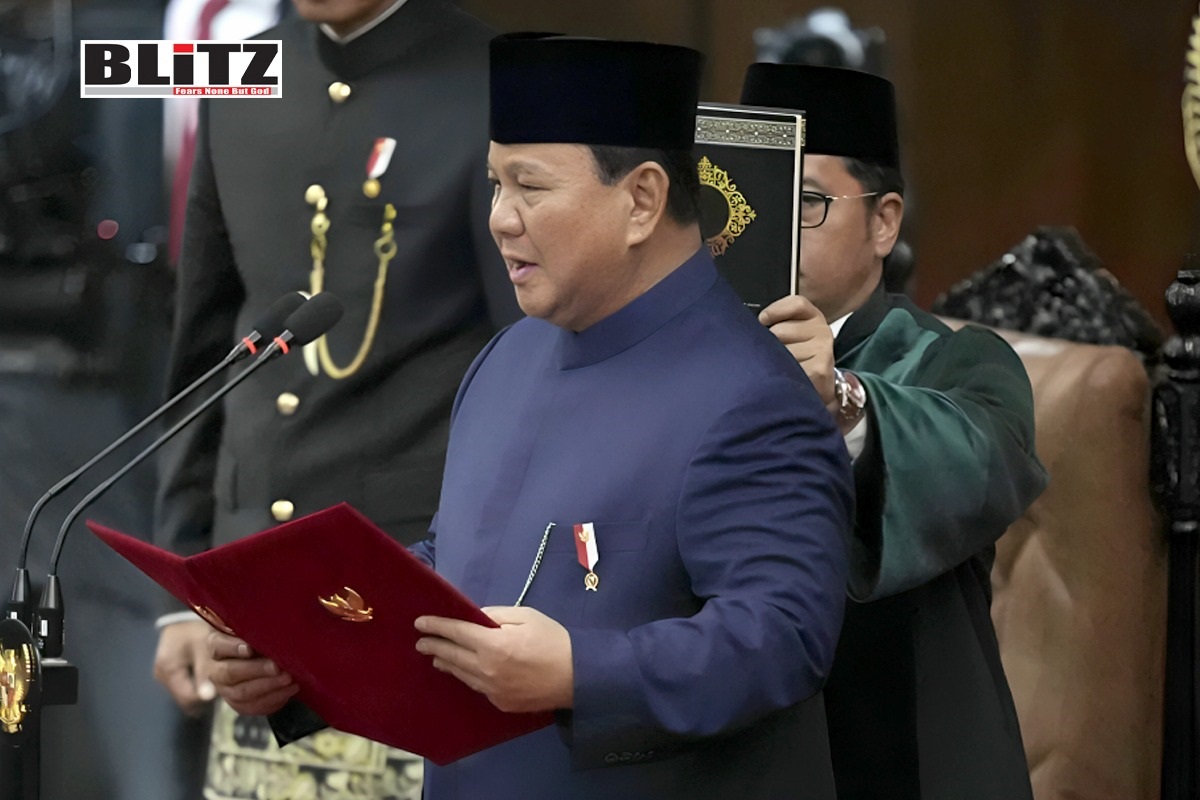
Indonesian President Joko Widodo convened an extensive meeting with government ministers and senior officials at the presidential palace in Jakarta, where ministers, their deputies, and heads of government agencies were summoned to discuss unifying the government's vision for the future. The meeting aims to strengthen coordination among various government entities to address national and global challenges.
In a statement, State Minister Prasetyo Hadi emphasized that the meeting seeks to bolster coordination and unify perspectives among all government elements, preparing for challenges that may arise in the coming years. He clarified that the president aims to ensure the effective and swift implementation of all government programs by the bureaucracy, which is considered a key element in executing national policies.
Details of the Meeting
During the meeting, the government was likened to a football team, with the bureaucracy playing a pivotal role in executing strategies and developmental programs. Hadi mentioned that the president would provide directives that include motivating everyone to work more diligently to achieve national goals.
He also noted that the president would review his views on the increasingly complex global geopolitical dynamics that affect various sectors in countries around the world. This meeting is seen as an important step in enhancing strategic planning amid changing global conditions.
Background & Context
Indonesia, like many other countries, faces multiple challenges due to global geopolitical and economic changes. Historically, Indonesia has sought to achieve stability and growth under changing circumstances, necessitating high levels of coordination among various government entities. In recent years, there has been an increase in challenges, including economic and environmental crises.
In this context, the president's meeting comes as part of ongoing efforts to enhance the government's capacity to deal with these challenges. This coordination is expected to contribute to improved government performance and increased effectiveness of developmental programs.
Impact & Consequences
This meeting could have a significant impact on how Indonesia addresses future challenges. By unifying the vision among various government entities, the country may be able to devise more effective strategies to confront crises. Furthermore, enhanced coordination could improve services provided to citizens.
Moreover, a swift response to global changes may enhance Indonesia's competitiveness on the international stage, potentially leading to improved economic conditions and increased foreign investments.
Regional Significance
The outcomes of this meeting may resonate beyond Indonesia, influencing regional dynamics and cooperation among Southeast Asian nations. As Indonesia plays a crucial role in the region, its approach to governance and crisis management could set a precedent for neighboring countries.
In conclusion, the president's initiative to unify the government's vision represents a strategic step towards strengthening governmental coordination in facing future challenges, which contributes to improving overall government performance.