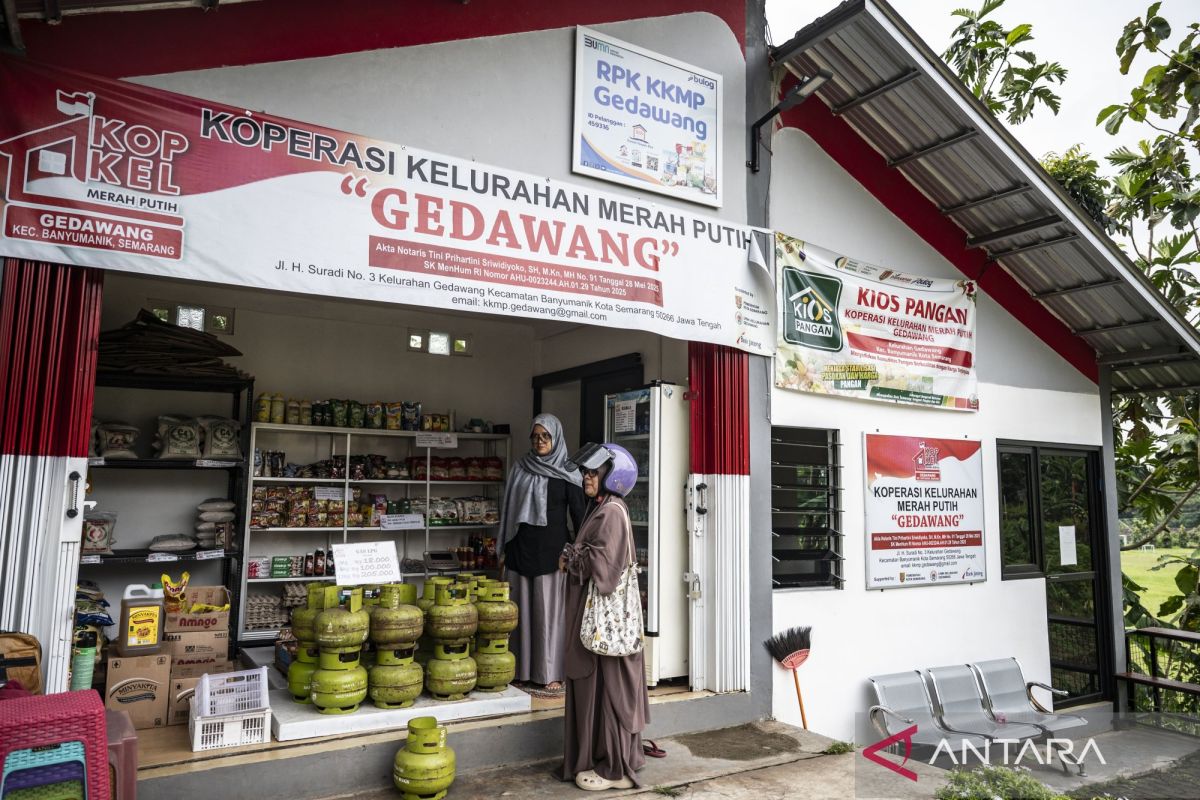
An automotive expert from the Bandung Institute of Technology, Yans Martinus Pasaribu, has advised the Indonesian government to develop a precise roadmap based on clear data to meet the operational vehicle needs of Merah Putih cooperatives. This recommendation follows statements from the Minister of Cooperatives Feri Juliantono regarding national industry support to provide vehicles for 80,000 cooperatives throughout Indonesia.
Pasaribu emphasized that the first step to achieve this goal is to prepare a clear roadmap based on geographical statistical data, which will help address the needs of each region appropriately. He noted that locally manufactured vehicles should be available to support operations in various areas, where 4x2 vehicles can be used in flat regions, while rugged terrains require 4x4 vehicles.
Event Details
As part of this project, Pasaribu proposed allocating two vehicles for each cooperative to support daily operations. However, Agrinas Pangan Nusantara has already imported 105,000 trucks and pickup vehicles from India, raising questions about the local industry's capacity to meet these needs.
The imported vehicles include 35,000 4x4 pickup trucks produced by Mahindra and 70,000 vehicles from Tata Motors, reflecting the government's reliance on imports rather than enhancing local production.
Background & Context
Historically, Indonesia has made numerous attempts to bolster its local automotive industry, but economic challenges and tax policies have negatively impacted the industry's competitiveness. In recent years, there have been increasing calls to reduce reliance on imports and promote local production, especially given that some factories have unused production capacities of up to 30%.
This project is part of the government's vision to enhance economic sustainability and create job opportunities, as it is expected to contribute to revitalizing the national industry and strengthen the cooperatives' ability to meet local community needs.
Impact & Consequences
If successfully implemented, this plan could lead to enhanced local production and reduced reliance on imports, contributing to the improvement of the national economy. Additionally, providing necessary vehicles for cooperatives will help improve services offered to local communities, thereby enhancing these cooperatives' operational efficiency.
However, strong coordination between various ministries, including the Ministries of Industry and Finance, is required to ensure that the desired goals are achieved. Furthermore, government policies should include incentives for local manufacturers to ensure their competitiveness against imported products.
Regional Significance
This step is significant for Arab countries seeking to strengthen their local industries and reduce reliance on imports. The Indonesian experience could serve as a model for how to promote national industries through strategic planning and collaboration between the government and the private sector.
In conclusion, the success of this initiative depends on the government's seriousness in implementing the necessary policies to support local industry, which could open new avenues for economic cooperation between Arab countries and Indonesia.