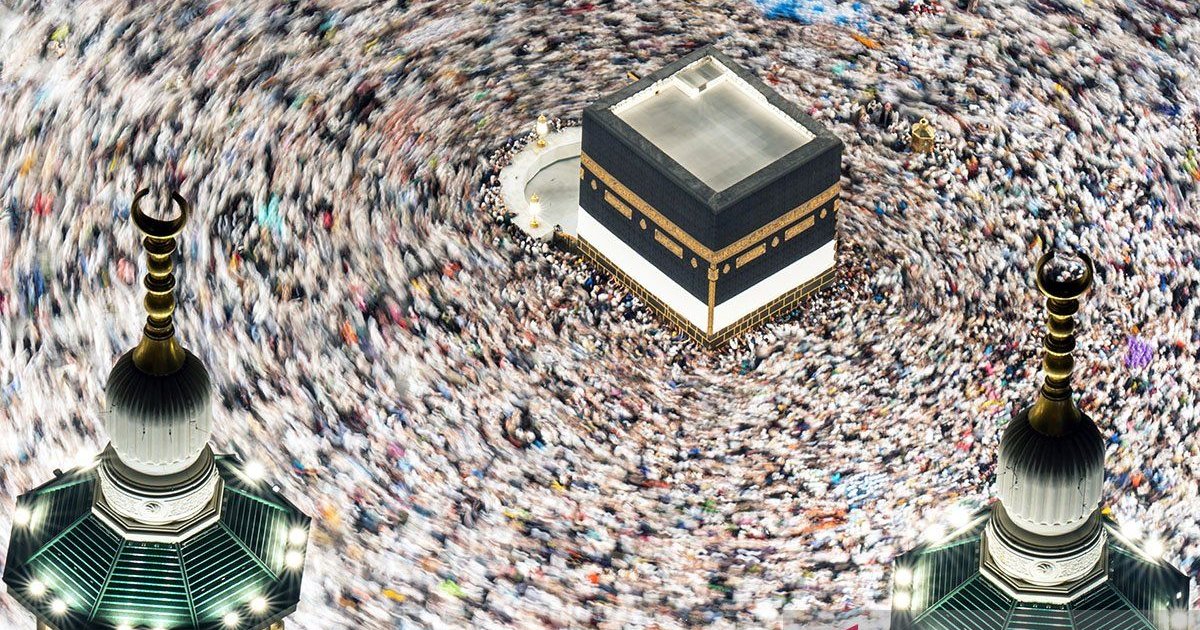
Indonesia's Minister of Hajj and Umrah, Muhafizhal Halim, announced that the government will reassess hajj costs following proposals from Garuda Indonesia and Saudi Airlines due to rising fuel prices. The reassessment comes as the government seeks to provide affordable hajj services to Indonesian pilgrims.
The proposals from the two airlines include significant increases in costs, with Garuda Indonesia suggesting a 7.9 million rupiah increase per pilgrim and Saudi Airlines proposing a $480 increase per pilgrim. However, Halim emphasized that the government will carefully evaluate the proposals and will not accept them arbitrarily.
Details of the Event
Before the conflict, the cost of travel for each pilgrim was approximately 33.5 million rupiah. However, with the escalation of the conflict and rising oil prices, airlines proposed increases in costs. In the event of no change in flight routes, the cost is expected to rise to 46.9 million rupiah, a 39.85% increase. If flight routes are changed to avoid conflict zones, the cost could reach 50.8 million rupiah, a 51.48% increase.
Garuda Indonesia proposed a 7.9 million rupiah increase per pilgrim, while Saudi Airlines proposed a $480 increase per pilgrim. However, Halim emphasized that the government will carefully evaluate the proposals and will not accept them arbitrarily.
Background & Context
Indonesia is one of the largest Muslim-majority countries in the world, and the hajj is a significant event for Indonesian Muslims. The country has a long history of sending pilgrims to Mecca, with thousands traveling each year to perform the hajj. However, the rising costs of the hajj due to global economic and geopolitical tensions have posed significant challenges for the Indonesian government.
The government has sought to provide affordable hajj services to Indonesian pilgrims, but the rising costs have made it increasingly difficult. The hajj costs have been affected by various factors, including fuel prices and global economic changes.
Impact & Consequences
The increase in hajj costs will have a direct impact on pilgrims, who may be forced to abandon their plans to perform the hajj due to the rising costs. The government is seeking alternative funding sources to mitigate the burden on pilgrims, including using state funds or managing hajj funds.
The government's decision will have significant implications for the relationship between Indonesia and airlines, as the government seeks to balance the interests of pilgrims and airlines. The situation may also impact religious tourism in Indonesia, as the hajj is a significant event for Indonesian Muslims.
Regional Significance
Indonesia's decision to reassess hajj costs has regional significance, as it may impact religious tourism in other Muslim-majority countries. The government's efforts to provide affordable hajj services to Indonesian pilgrims are crucial in the face of rising global economic and geopolitical tensions.
The Indonesian government's commitment to providing affordable hajj services to Indonesian pilgrims is a testament to its dedication to promoting religious tourism and supporting the economic and social well-being of its citizens.