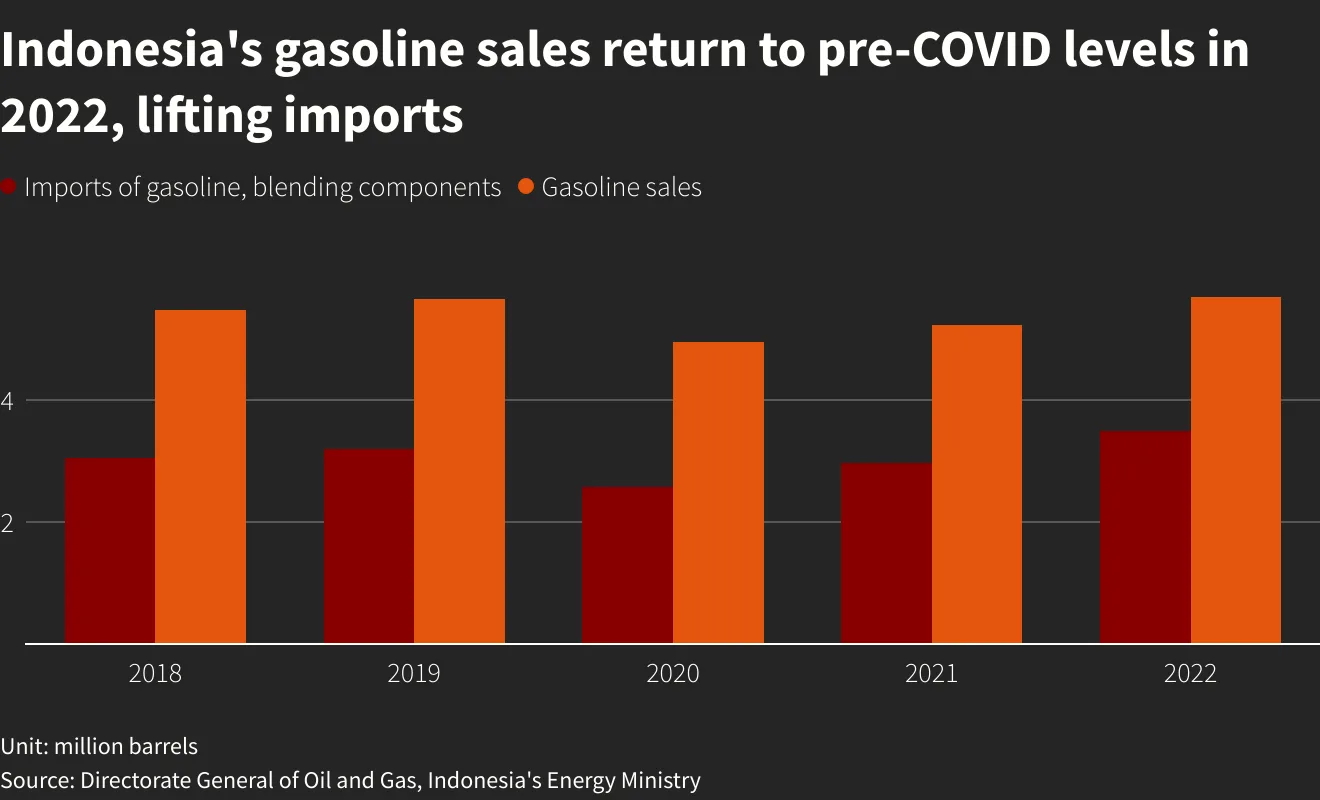
The Indonesian government has announced the implementation of a work-from-home (WFH) policy for one day a week for public sector employees, as part of a short-term strategy aimed at reducing fuel consumption without affecting productivity and public services. Niko Hargiantо, advisor to the Indonesian Vice President, confirmed that this step is considered a quick solution to mitigate daily fuel consumption.
In his statements, Hargiantо indicated that this policy is not a permanent solution but a temporary measure aimed at addressing challenges related to fuel consumption. He also noted that the government is considering the opinions of prominent figures such as Jusuf Kalla, the former Vice President, who criticized the effectiveness of this policy.
Details of the Initiative
The work-from-home policy comes at a time when Indonesia is facing rising fuel costs, which are impacting the national economy. Hargiantо clarified that the government is working on finding long-term solutions, including transitioning to renewable energy and developing infrastructure for electric vehicles.
He also mentioned that the government aims to enhance local fuel production and develop new technologies such as biodiesel, which will help achieve energy sustainability in the long run. This shift is part of the government’s strategy to maintain the stability of the national economy.
Background & Context
Historically, Indonesia has faced issues with energy consumption, heavily relying on fossil fuels. In recent years, there has been a rise in fuel prices, prompting the government to seek innovative solutions. The work-from-home policy is not new; it has been implemented in many countries as a means to address economic and environmental crises.
Indonesia is one of the largest oil producers in Southeast Asia, but it faces significant challenges in managing its energy resources. Therefore, transitioning to renewable energy sources is essential to ensure the sustainability of the economy.
Impact & Consequences
The work-from-home policy is seen as an important step toward reducing fuel consumption, but it may face criticism from some experts who believe this measure is insufficient. Jusuf Kalla pointed out that electricity usage at home will still occur, potentially diminishing the effectiveness of this policy in reducing overall energy consumption.
Nevertheless, the government hopes that this policy will contribute to improving the economic situation in the short term while working on developing long-term strategies to ensure energy sustainability. The challenges faced by Indonesia in this area reflect the challenges many developing countries encounter in balancing economic growth with environmental preservation.
Regional Significance
Arab countries also face similar challenges in energy consumption, as many of these nations rely on fossil fuels as their primary energy source. Indonesia's experience in implementing the work-from-home policy could serve as a model for some Arab countries seeking to reduce energy consumption and improve resource efficiency.
Moreover, the transition to renewable energy is crucial for Arab nations, especially in light of climate change and economic pressures. Cooperation between Arab countries and others like Indonesia in the field of renewable energy could contribute to achieving sustainable development goals.