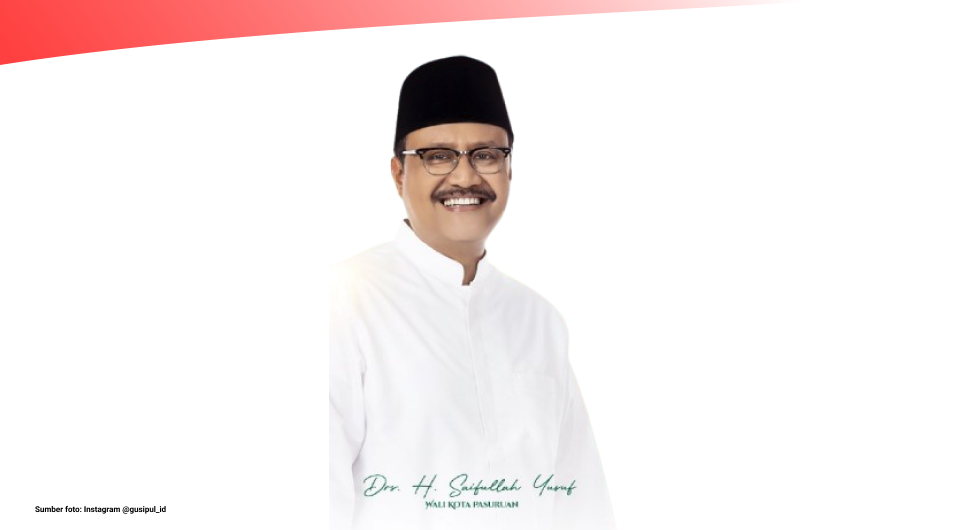
In a move aimed at enhancing work efficiency in the Family Welfare Program (PKH), Indonesian Minister of Social Affairs, Saidullah Yusuf, called on all program assistants to adhere to professional work standards. This statement was made during his remarks in Malang district, East Java, where he expressed his sadness over the dismissals of assistants due to rule violations.
Yusuf confirmed that he does not wish to see such incidents repeated, stressing the importance of working according to established standards. He stated, "I am saddened, and I do not want dismissals to recur. I ask everyone to work correctly because they know the rules."
Details of the Incident
The minister's remarks follow the dismissal of three assistants from the PKH program due to disciplinary violations. Yusuf explained that the ministry had issued warnings (SP) to over 500 assistants across Indonesia, with 49 of them being dismissed for failing to fulfill their duties.
The minister pointed out that the dismissal process is not random but follows a series of procedures, where an assistant receives a first warning, and if violations recur, a second warning is issued before a dismissal decision is made. He affirmed that the ministry will not compromise in enforcing these procedures to ensure work quality.
Background & Context
The Family Welfare Program (PKH) is a government initiative aimed at improving the living conditions of poor families in Indonesia. Launched in 2007, the program is part of national efforts to combat poverty and promote social development. However, challenges regarding compliance and discipline among assistants have affected the program's effectiveness.
In recent years, the program has seen an increase in the number of assistants, leading to the need for performance improvement and ensuring that all assistants work according to the required standards. Regular assessments have been conducted to ensure that the desired goals are achieved.
Impact & Consequences
The minister's call to enhance professionalism in work is a significant step towards ensuring the success of the PKH program. Assistants serve as the link between the government and local communities, and they must be fully aware of their duties. Improving performance will lead to better outcomes for beneficiary families, thereby enhancing trust in the program.
Moreover, implementing strict measures against violators may contribute to improving the program's image and encourage assistants to adhere to work standards. This could also open the door for expanding the program and increasing the number of beneficiaries in the future.
Regional Significance
Although this news pertains to Indonesia, the lessons learned can apply to social support programs in Arab countries. Many Arab nations face similar challenges in implementing social support programs, where assistants play a vital role in achieving the desired objectives.
Arab countries can benefit from Indonesian experiences in promoting discipline and professionalism among workers in social support programs, contributing to sustainable development and improving the living standards of poor families.