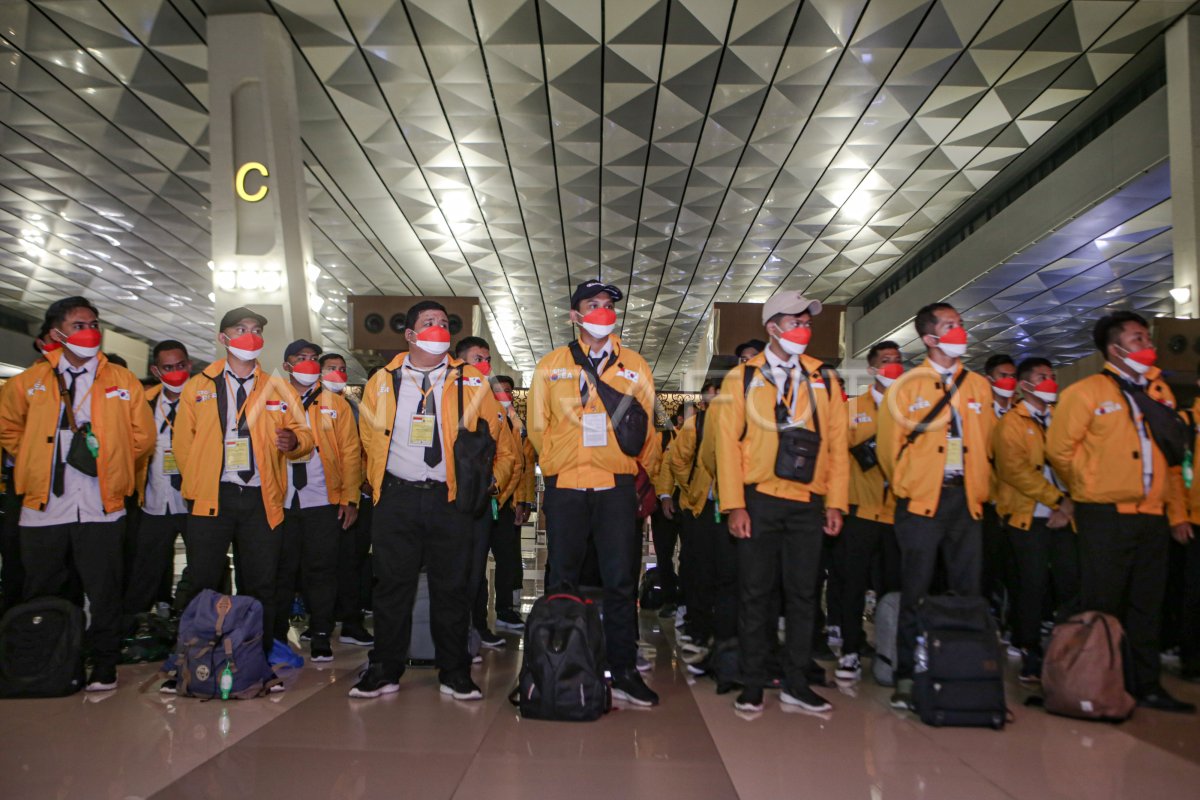
Kristina Ariani, Indonesia's Minister of Migrant Worker Protection, has called on migrant workers in the fishing sector to maintain Indonesia's reputation as they prepare to leave for South Korea. This statement was made during her support and guidance to 45 selected migrant workers who will travel to Seoul through a government program. Ariani emphasized that maintaining the country's reputation is a collective responsibility that requires everyone to work diligently.
The minister pointed out that Indonesia is not the only country seeking to send its workers to South Korea, as 16 other nations are competing for the same opportunity. She stressed the importance of maintaining employers' trust in Indonesian workers, highlighting that the success of reaching the departure stage is the result of long and hard efforts.
Event Details
Indonesia faces significant challenges in the South Korean labor market, with around 7,000 migrant workers currently on the waiting list without job opportunities due to limited demand for labor in South Korea. Data has shown a notable decline in the number of Indonesian migrant workers going to South Korea, with the figure dropping from 10,110 workers in 2024 to approximately 6,860 workers in 2025, and it is expected that this year's number will reach around 6,000 workers.
In her remarks, Ariani emphasized the necessity for migrant workers to embody the well-known characteristics of Indonesian workers, such as honesty and diligence, which enhance their value in the eyes of foreign employers. She also mentioned the numerous economic benefits that migrant workers can reap during their time in South Korea, where earnings can reach hundreds of millions of rupiah within three years.
Background & Context
Historically, Indonesia has been one of the largest exporters of migrant labor in Asia, as many Indonesians seek to improve their living conditions by working abroad. However, the challenges they face include instability in the foreign labor market, along with laws and regulations that may affect their rights as workers. In recent years, there has been a decline in the number of migrant workers due to changes in South Korean policies and increased competition from other countries.
The Indonesian government is striving to enhance training and guidance programs for migrant workers to ensure they are prepared to face the challenges of the labor market. Additionally, it is working to improve relations with countries that receive labor, such as South Korea, to ensure workers' rights and provide a safe working environment.
Impact & Consequences
This call from Minister Ariani is a significant step towards enhancing Indonesia's reputation abroad, as maintaining the reputation of Indonesian workers can directly affect future job opportunities for migrant workers. Any violation of laws or irresponsible actions by workers can lead to a deterioration of relations between Indonesia and South Korea, which could negatively impact job opportunities for others.
This call also reflects the importance of social and economic awareness among migrant workers, as they must wisely utilize available opportunities and avoid excessive spending. Proper money management can contribute to improving the living standards of families in Indonesia.
Regional Significance
Indonesia's experience in the field of migrant labor serves as a model that Arab countries facing similar challenges can benefit from. Many Arabs seek employment in Gulf and Asian countries, necessitating the enhancement of training and guidance programs to ensure their rights and success in the labor market. Strengthening the reputation of Arab workers abroad can open new avenues for economic opportunities.
In conclusion, migrant workers worldwide must embody responsibility and awareness of the importance of their reputation, as this directly impacts their future and job opportunities. Upholding their country's reputation is a national duty that requires everyone's commitment.