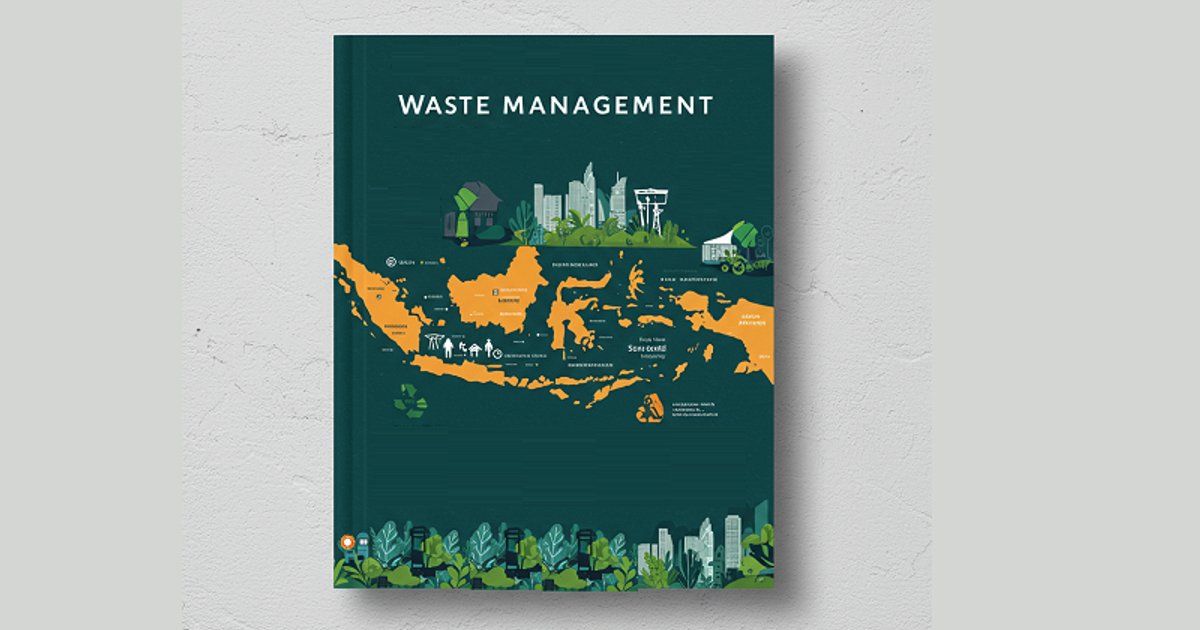
Indonesian Environment Minister Hanif Faisal Norviq has called on mayors across the country to completely resolve the waste crisis by 2029. This statement was made during his participation in a volunteer event in the city of Malang, where he noted that this goal is based on direct directives from Indonesian President Prabowo Subianto.
The minister emphasized that addressing the waste problem requires integrated efforts, stressing the importance of sorting waste at the source, meaning from households, as a fundamental step to reduce costs associated with waste management. He explained that this step would help improve the efficiency of waste processing in subsequent stages.
Event Details
During the volunteer event held on Bijar Ijin Street, Minister Hanif underscored the necessity for waste management to be part of social responsibility, rather than merely a means to obtain environmental awards such as Adipura Kencana. He pointed out that the ultimate goal is to preserve the environment and ensure its sustainability for future generations.
The minister also called for the continuation of such volunteer events to become part of the community culture, enhancing environmental awareness among citizens. He affirmed that every individual can contribute to waste reduction by taking simple steps like sorting waste.
Background & Context
The waste problem is one of the major environmental issues facing many countries, including Indonesia. The country suffers from increasing amounts of waste generated by population growth and urban expansion. According to reports, Indonesians produce around 65 million tons of waste annually, posing a significant challenge for the government and local communities.
In recent years, the Indonesian government has taken multiple steps to address this issue, including developing new policies to improve waste management and enhance environmental awareness. However, there remains an urgent need for greater cooperation between the government and citizens to achieve the desired environmental goals.
Impact & Consequences
If the minister's plan is successfully implemented, it will lead to significant improvements in waste management in Indonesia, positively impacting public health and the environment. Achieving this goal will also contribute to enhancing Indonesia's image as a country that cares about the environment, which may attract foreign investments and boost eco-tourism.
On the other hand, failure to address this problem could exacerbate environmental crises, such as water and soil pollution, negatively affecting the quality of life in the country. Therefore, the challenge facing the government and local communities is substantial and requires concerted efforts to achieve success.
Regional Significance
Many Arab countries also face similar challenges in waste management, suffering from increased waste generation due to population growth and urban expansion. Indonesia's experience in addressing this issue could serve as a model for Arab countries, especially given the urgent need to improve waste management and enhance environmental awareness.
Cooperation between Arab countries and Indonesia in exchanging expertise and technologies could contribute to improving environmental conditions in the region, benefiting local communities and promoting environmental sustainability.