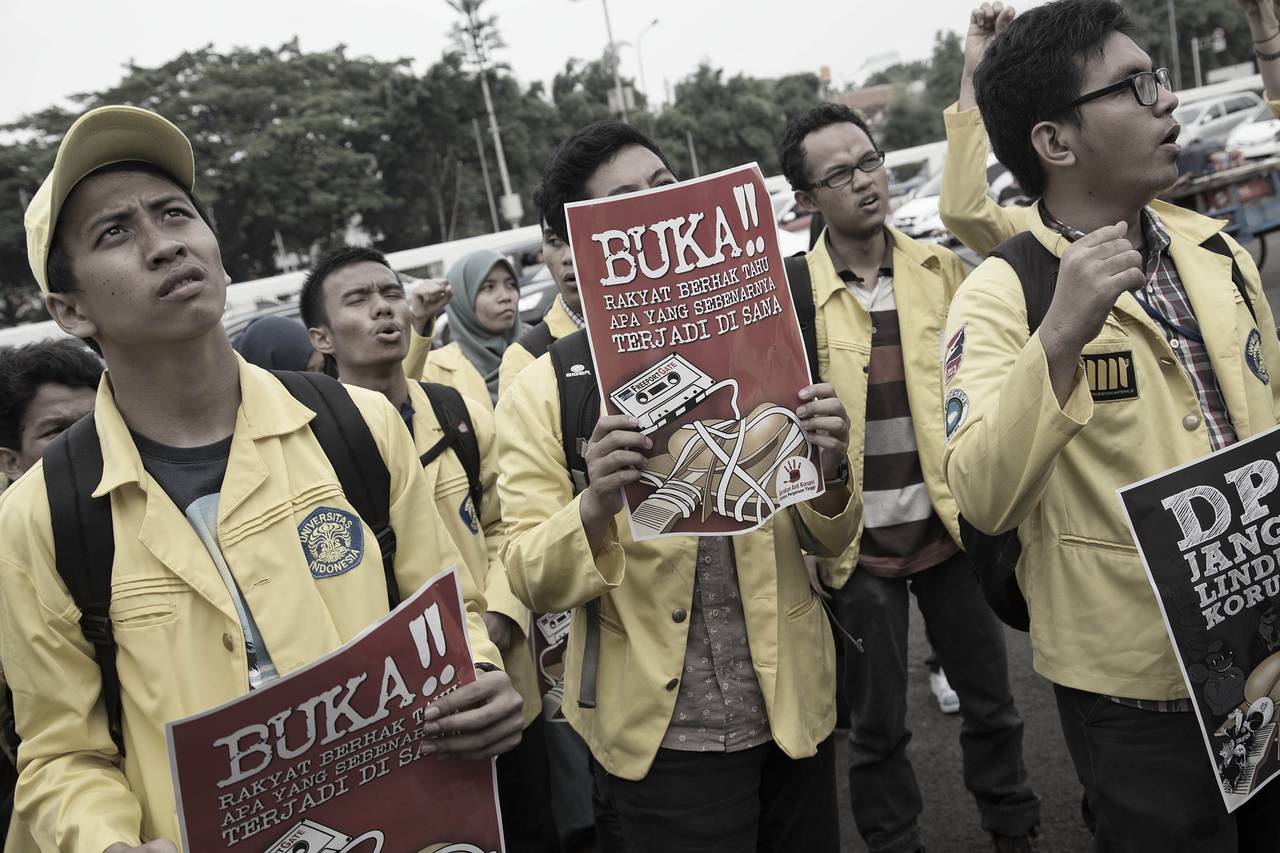
In a move that reflects the seriousness of the Indonesian government in combating corruption, charges have been brought against eight employees of the Ministry of Labor, with sentences ranging from 4 to 9.5 years in prison. This decision follows investigations conducted by the Corruption Eradication Commission regarding corrupt practices associated with the issuance of work permits for foreigners.
The Attorney General from the Corruption Eradication Commission, Noor Harris Arhadi, confirmed that the evidence presented proves the involvement of the accused in organized corruption, where they exploited their positions to receive bribes from foreign labor recruitment agencies.
Details of the Case
The case revolves around the issuance of work permits for foreigners, with the eight employees accused of imposing illegal fees on agencies seeking to obtain these permits. The penalties were precisely determined, with Suhartono, the former director general of the ministry, sentenced to 4 years in prison, while three other employees received 6 years each.
Devi Angraini, who served as the head of the work permit section, was sentenced to 6.5 years, while Gatot Widiaruno received a 7-year sentence. Meanwhile, Haryanto and Susno Pramono were both sentenced to 9.5 years.
Background & Context
This case is part of the Indonesian government's efforts to combat rampant corruption across various sectors, particularly within the Ministry of Labor. In recent years, the country has witnessed numerous scandals related to corruption, prompting the government to take stringent measures against corrupt officials.
Since 2017, several government officials have faced corruption charges, increasing pressure on the government to enhance transparency and accountability. This ruling comes at a sensitive time as Indonesia seeks to improve its international image and boost investor confidence.
Impact & Consequences
Analyses suggest that this case could significantly impact the reputation of the Indonesian government, reflecting the pervasive corruption within government institutions. It may also strengthen the ongoing efforts to combat corruption, potentially contributing to an improved business environment in the country.
Furthermore, this case could lead to changes in government policies regarding the issuance of work permits for foreigners, with expectations of enhanced oversight on these processes to prevent the recurrence of such incidents in the future.
Regional Significance
The corruption case in Indonesia exemplifies the challenges faced by many countries in the Arab region as well, where some governments struggle with similar corruption issues. Arab nations could benefit from Indonesia's experience in fighting corruption and enhancing transparency within their governmental institutions.
Ultimately, this case underscores the importance of promoting ethical values in government work and emphasizes the need for serious steps to combat corruption to ensure sustainable development.