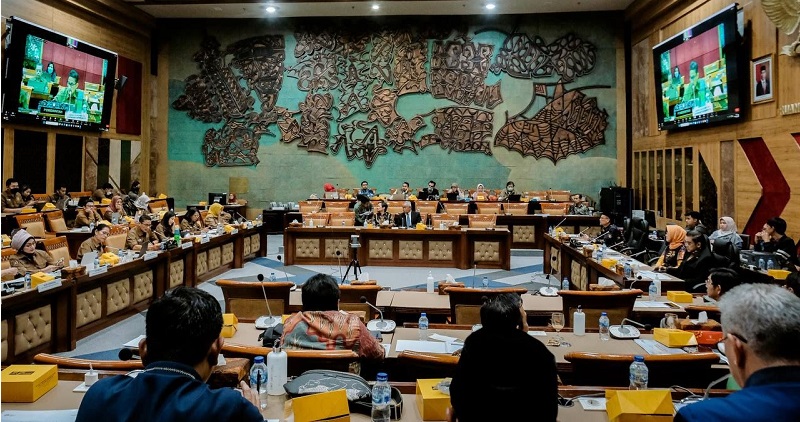
The Indonesian Ministry of Tourism has reaffirmed its commitment to transparency and enhancing cooperation with all members of the Seventh Parliamentary Committee during an official meeting held in Jakarta. Minister Widianti Putri Wardana expressed appreciation for the committee's valuable contributions as part of improving future policies and programs.
In the meeting held on Wednesday, the minister highlighted the importance of oversight and support from the Seventh Parliamentary Committee to ensure the effective implementation of tourism programs and achieve a positive impact on the community and the development of tourism in Indonesia.
Event Details
During the meeting, the Chairman of the Seventh Parliamentary Committee, Saleh B. Dawlai, expressed his understanding of the budget implementation reports and the impact of global conditions on national tourism. He also urged the committee to encourage the Ministry of Tourism to take action on the recommendations presented, which include reviewing the budget structure in each work unit to ensure balance and effectiveness.
The committee also emphasized the need to enhance the tourism market in Southeast Asia as a priority, in addition to improving the organization of the Labuan Bajo area through necessary standards and certifications to ensure environmental preservation and the safety of the local community.
Background & Context
Tourism is considered a vital sector in Indonesia, contributing significantly to the national economy. With the increasing global challenges, including conflicts in the Middle East, the Indonesian government is seeking to develop new strategies to ensure the sustainability of the tourism sector. These strategies include enhancing cooperation with other government entities and adopting new policies such as easing visa requirements.
Historically, Indonesia has relied on tourism as one of its main sources of revenue. However, global crises have significantly affected this sector, prompting the government to reassess its strategies.
Impact & Consequences
These steps hold great importance in enhancing Indonesian tourism, as forecasts suggest that improving transparency and cooperation with the parliament could help attract more tourists. Additionally, focusing on sustainable tourism development can yield economic benefits for local communities.
Moreover, strengthening tourism-related policies such as easing visa requirements can increase the number of international visitors, contributing to the revitalization of the local economy.
Regional Significance
Arab countries are looking to enhance tourism cooperation with Indonesia, where there could be opportunities for exchanging experiences in sustainable tourism. Arab tourists can also benefit from the unique tourist destinations offered by Indonesia.
In conclusion, these developments represent a positive step towards enhancing tourism in Indonesia, opening new horizons for regional and international cooperation.