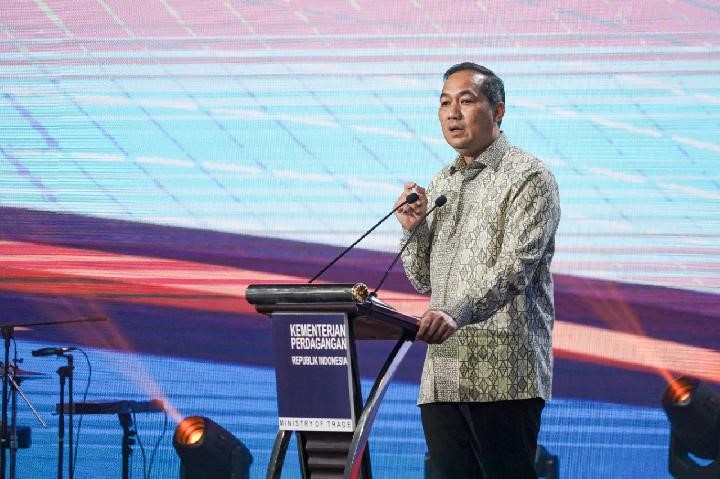
The Indonesian Ministry of Trade (Kemendag) has urged all market participants to commit to not raising cooking oil prices, especially for the 'Minyakita' product, despite challenges arising from increased plastic prices. This call was made during an inflation monitoring meeting in the capital, Jakarta, where officials emphasized the importance of maintaining prices to meet citizens' needs.
In this context, Nandanaro Dwi Putra, Director of Domestic Business Management at the ministry, reported that there have been some increases in the prices of certain goods following the holiday period, including cooking oil. He noted that rising raw material prices, such as plastic, directly impact the prices of packaged products, including all types of cooking oil.
Details of the Event
Putra clarified that the ministry hopes all market players will adhere to the set selling prices, known as HET (highest selling price), without any changes. He confirmed that prices have not changed so far, reflecting the ministry's commitment to monitoring the market.
According to data from the market monitoring and basic needs system, the price of premium cooking oil has reached 21,433 Indonesian Rupiah per liter, an increase of 0.05%, while the price for regular cooking oil has reached 19,081 Indonesian Rupiah per liter, up by 0.22%. Meanwhile, 'Minyakita' recorded a slight decrease of 0.25%, bringing its price to 15,877 Indonesian Rupiah per liter compared to the previous week.
Background & Context
Indonesia is one of the largest producers of palm oil in the world, making it heavily reliant on global raw material prices. In recent years, the country has experienced significant fluctuations in commodity prices, affecting citizens' ability to access their daily needs. Therefore, maintaining cooking oil prices is vital to ensure market stability.
The Indonesian government is striving to provide essential goods at affordable prices, especially in remote areas such as Papua and Maluku, where prices face challenges due to distribution issues. 'Minyakita' is part of these efforts, aiming to provide cooking oil at reasonable prices for citizens.
Impact & Consequences
The Ministry of Trade expects that adherence to 'Minyakita' prices will contribute to market stability, helping citizens access cooking oil at affordable rates. This is crucial given the current economic conditions faced by many Indonesian families.
Moreover, maintaining prices can help build trust between the government and consumers, enhancing market stability and reducing social tensions arising from price increases.
Regional Significance
The issue of rising commodity prices is a common theme among many Arab countries, where several nations face similar challenges in providing goods at affordable prices. Indonesia's experience in maintaining cooking oil prices could serve as a model for Arab countries facing similar economic challenges.
In conclusion, keeping essential goods prices stable is vital for ensuring community stability, and governments must work diligently to provide the necessary support for citizens.