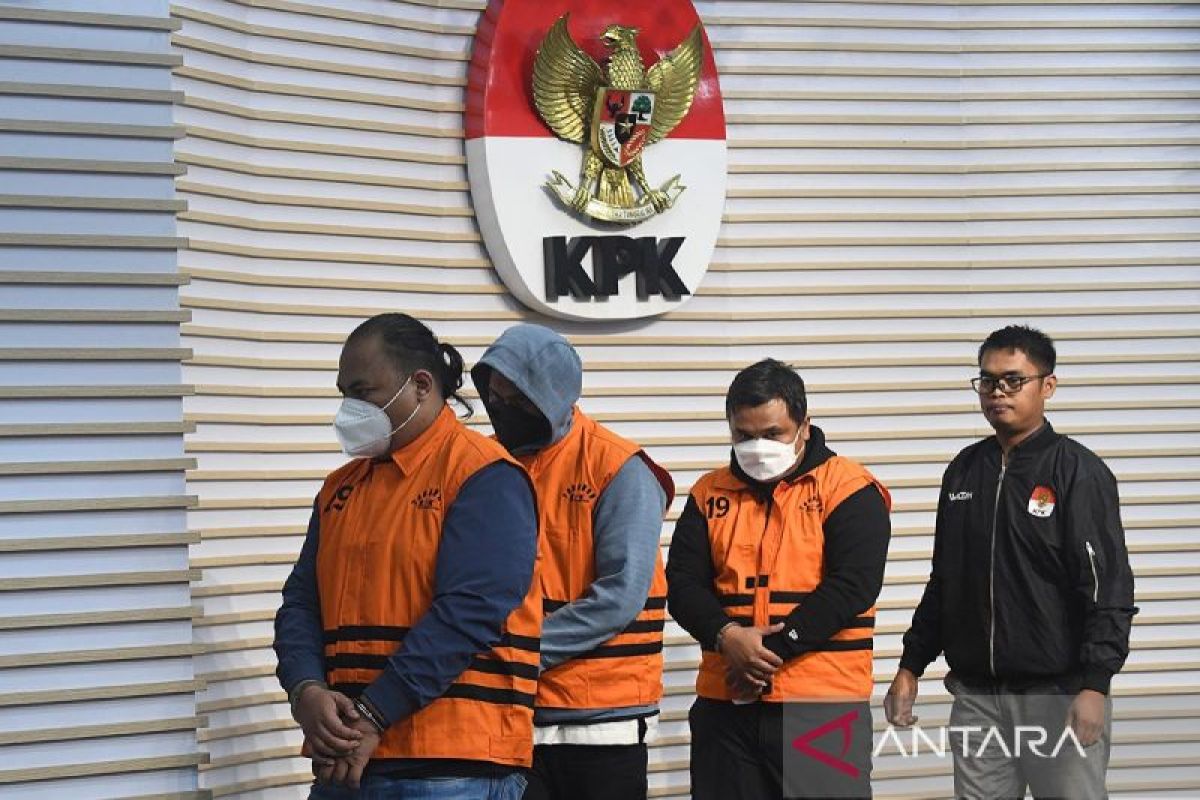
An Indonesian court sentenced Tuban Obaja Putra Jenteng, the former director of the Public Works and Housing Ministry in North Sumatra, to 5.5 years in prison for corruption related to a road project. This conviction is part of the Indonesian government's efforts to combat corruption and enhance transparency.
Jenteng was charged after several months of investigations revealed his involvement in bribery cases related to infrastructure projects. Evidence showed that Jenteng received bribes from contractors in exchange for awarding them contracts to execute road projects in the region.
Details of the Case
The case involves vital road projects in North Sumatra, where a significant budget was allocated to improve infrastructure. However, investigations revealed that part of this budget was siphoned off into the pockets of corrupt officials. This case has led to widespread public discontent, as citizens believe that corruption hinders development and negatively impacts their daily lives.
During the trial, the prosecution presented strong evidence supporting the charges, including audio recordings and phone calls proving Jenteng's involvement in bribery operations. The defense attempted to present arguments to exonerate their client, but the court found the evidence presented sufficient for conviction.
Background & Context
Indonesia is considered one of the countries facing significant challenges in combating corruption. Despite efforts made by the government, corruption remains rampant in many sectors, including infrastructure. Reports have indicated that corruption costs the Indonesian economy billions of dollars annually, affecting sustainable development in the country.
In recent years, the Indonesian government has taken serious steps to combat corruption, including establishing independent oversight bodies and strengthening laws related to transparency. However, much work remains to be done to restore citizens' trust in government institutions.
Impact & Consequences
The conviction of Jenteng is an important step in the Indonesian government's efforts to combat corruption. This conviction is expected to encourage further investigations into other corruption cases and increase pressure on officials to comply with the law. Additionally, this case may contribute to enhancing transparency in government projects, potentially leading to improved quality of public services.
While this conviction represents a victory for justice, it raises questions about the effectiveness of the efforts made to combat corruption in Indonesia. Many wonder whether these steps are sufficient to achieve the desired change.
Regional Significance
The corruption case in Indonesia serves as an example of the challenges faced by many countries in the Arab region. Some Arab nations suffer from high levels of corruption, which negatively impacts economic and social development. Indonesia's experience in combating corruption could provide valuable lessons for Arab countries seeking to enhance transparency and accountability.
In conclusion, the conviction of Tuban Obaja Putra Jenteng marks an important step towards achieving justice in Indonesia and highlights the ongoing need to combat corruption worldwide.