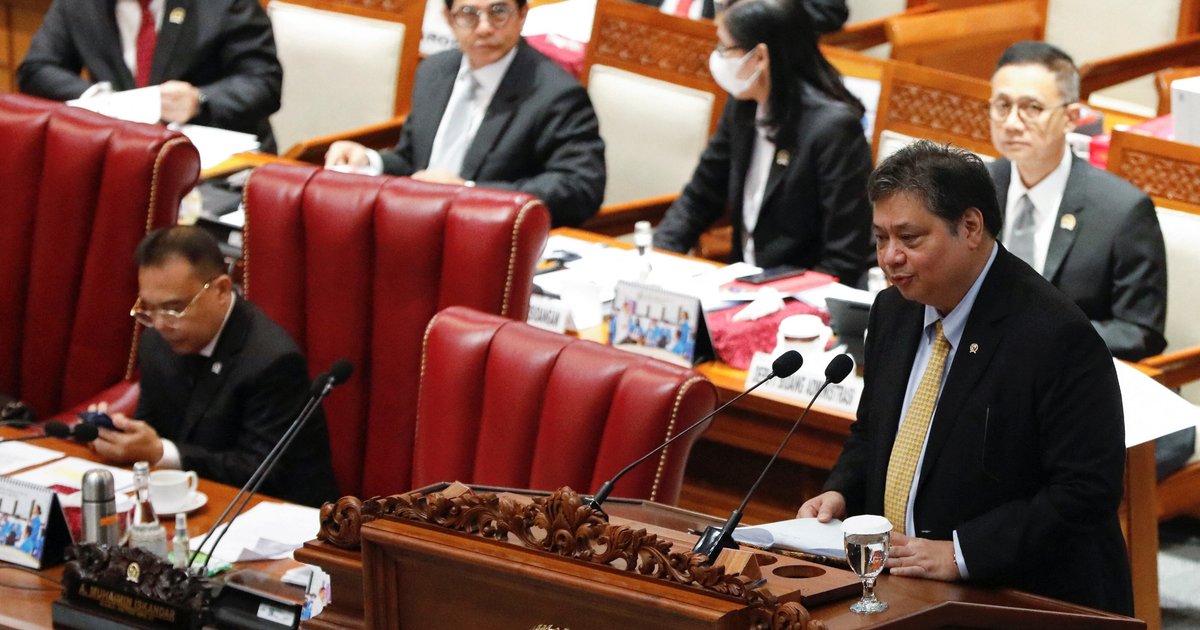
The Indonesian Parliament's Legal Affairs Committee, known as Committee III, convened to discuss the controversial case involving journalist and videographer Amtsal Kristi Setibo. The meeting, organized as a public hearing, saw participation from various stakeholders and experts in the fields of media and law, where multiple perspectives on the case were presented.
During this meeting, Amtsal Kristi Setibo shared his views on the events leading to this case, highlighting the challenges journalists face in Indonesia, particularly under current conditions that necessitate the protection of freedom of expression and journalists' rights. This meeting garnered significant attention within media and political circles, as the topic of press freedom is considered a sensitive issue in the country.
Details of the Meeting
The Committee III meeting occurred at a time when concerns about press freedom in Indonesia are escalating, with many journalists facing pressure and harassment. Amtsal Kristi Setibo, who works as a videographer, encountered a difficult situation while covering certain events, leading to heightened debate regarding journalists' rights in the country.
During the meeting, a series of testimonies from other journalists were presented, emphasizing the importance of protecting freedom of expression and the necessity for laws that safeguard journalists from harassment. Some committee members pointed out the need for clear legislation that ensures journalists' rights and limits any potential violations that may occur.
Background & Context
Historically, Indonesia has faced significant challenges in the realm of press freedom, especially following the period of authoritarian rule the country experienced. Despite improvements in recent years, many observers believe there is an urgent need to strengthen laws that protect journalists and ensure a safe working environment.
The current case of Amtsal Kristi Setibo is merely an example of the challenges faced by journalists in Indonesia. With increasing political and social pressures, journalists find it difficult to perform their professional duties freely and safely.
Impact & Consequences
This case serves as a wake-up call for Indonesian authorities, highlighting the need for serious steps to protect press freedom. Failure to address this issue appropriately could exacerbate the situation, negatively impacting Indonesia's image as a democratic society that respects human rights.
Moreover, this case may affect Indonesia's international relations, as human rights organizations and the global community closely monitor how the government handles freedom of expression and journalists' rights. Any violations that may occur could lead to international criticism affecting the country's reputation.
Regional Significance
The issue of press freedom is a core concern for many Arab countries, where journalism faces similar challenges. What is happening in Indonesia can serve as a lesson for Arab nations on the importance of protecting journalists and ensuring freedom of expression.
Additionally, international solidarity with journalists in Indonesia may encourage journalists in Arab countries to demand their rights, contributing to the enhancement of press freedom in the region.