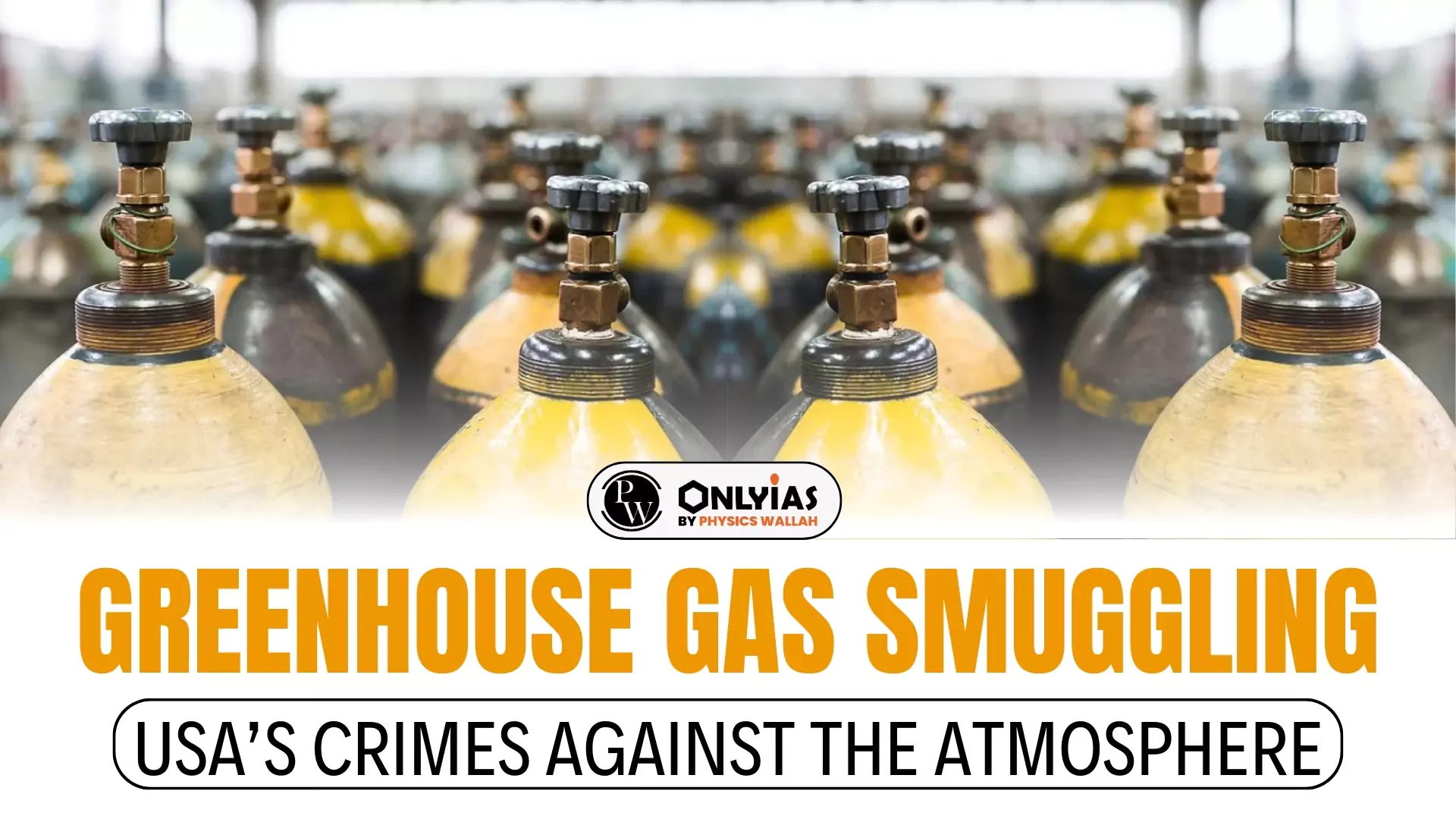
The Indonesian police in Bogor have uncovered an illegal smuggling network for subsidized gas, which has caused losses estimated at 13.2 billion rupiah monthly. This revelation came after the police received reports from citizens via the emergency service.
Colonel Wika Ardi Listanto, the head of Bogor police, stated that operations were conducted in two different areas, where large quantities of subsidized gas and equipment used in smuggling operations were seized.
Details of the Operations
In the first operation, which took place in Sukaraja village, the police found 145 gas cylinders of various sizes, along with equipment such as gas injection tools and a small vehicle. A total of 90 cylinders of 3 kilograms, 45 cylinders of 12 kilograms, and 10 cylinders of 5.5 kilograms were confiscated. However, one suspect managed to escape and is now on the wanted list.
In the second operation, the police targeted seven locations in Dayeuh village, where a couple was arrested while conducting smuggling activities. A total of 648 gas cylinders were seized, including 345 cylinders of 3 kilograms, 286 cylinders of 12 kilograms, and 17 cylinders of 5.5 kilograms.
Background & Context
This case is part of the Indonesian government's efforts to combat corruption and smuggling, especially amid the difficult economic conditions faced by citizens. Subsidized gas is a vital resource for low-income families, and any manipulation of this system negatively impacts the most vulnerable groups.
Historically, Indonesia has witnessed numerous cases of smuggling and corruption in the energy sector, prompting the government to take stringent measures to ensure that subsidies reach those who deserve them. This incident comes at a sensitive time as the government seeks to enhance energy security amidst global economic challenges.
Impact & Consequences
Estimates suggest that illegal practices such as subsidized gas smuggling can lead to significant losses for the Indonesian economy, potentially reaching hundreds of billions of rupiah annually. These activities also affect market stability and increase energy prices, negatively impacting citizens' lives.
This case serves as a warning to stakeholders in Indonesia about the need to strengthen oversight in the energy sector and impose deterrent penalties against violators. The success of these security operations may also enhance public trust in the government’s ability to protect citizens' interests.
Regional Significance
The issue of subsidized gas smuggling in Indonesia exemplifies the challenges faced by many countries in the Arab region regarding natural resources. With the increasing demand for energy, there is a pressing need for effective monitoring systems to ensure fair distribution of subsidies.
This case also reflects the importance of international cooperation in combating corruption and smuggling, which could serve as a model for other countries striving for sustainable development.