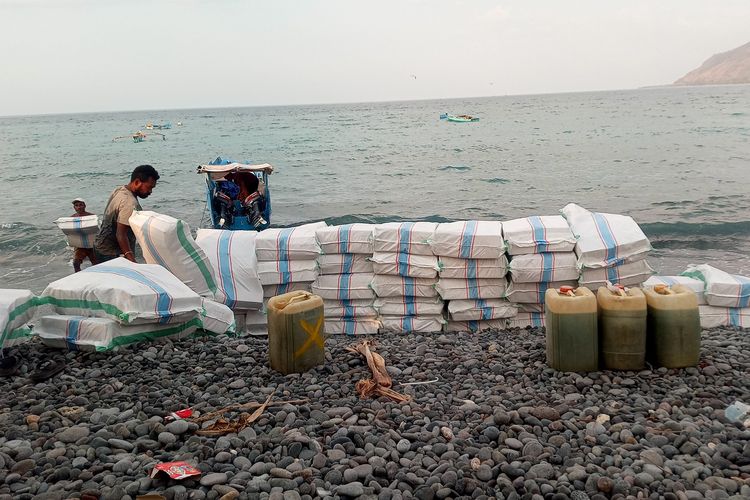
In a significant development, the Indonesian police in the Maluku region have uncovered a network involved in the smuggling and storage of illegal fuel, including kerosene and diesel, in the Kabaha area of Ambon city. This revelation came after the police received reports from citizens regarding suspicious activities in the area, prompting them to initiate extensive investigations.
In a statement to reporters, Colonel Rositah Omsuji, the head of the public relations department at the Maluku police, confirmed that investigations began following information from the economic crimes unit about illegal activities in the region. He noted that police conducted inspections on Tuesday morning, where large quantities of illegally stored fuel were seized.
Details of the Operation
During the operation, the police managed to arrest three individuals suspected of being involved in these illegal activities. Several barrels and jerrycans containing fuel were found, stored in a local kiosk without the necessary permits. The police confirmed that they are still investigating the details, including the exact quantities of the seized fuel.
The seized fuel was transported using two trucks, one of which was a large truck, to the police station for further legal procedures. The owner of the kiosk where the fuel was found is also being interrogated to gather more information about their role in these activities.
Background & Context
Indonesia is one of the largest producers and consumers of fuel in Southeast Asia; however, fuel smuggling and illegal storage pose significant challenges for the government. In recent years, the country has witnessed several similar operations, where fuel smuggling networks have exploited gaps in local laws.
This revelation comes at a sensitive time as the Indonesian government seeks to enhance oversight of the fuel market, especially with rising global energy prices. The government has launched several initiatives to combat corruption and promote transparency in this sector.
Impact & Consequences
These illegal activities can lead to negative impacts on the local economy, resulting in loss of government revenue and increased fuel prices for consumers. Additionally, these activities may affect the environment, as illegal fuel storage could lead to leaks and contamination of water and soil.
The authorities are striving to take strict measures against these activities, as they represent a threat to the economic and environmental security of the country. Inspections and monitoring are expected to increase in the coming period to ensure that such incidents do not recur.
Regional Significance
Fuel smuggling and illegal storage issues are also of concern to many Arab countries, as some face similar challenges in this area. Strengthening cooperation among countries in combating fuel smuggling could have a positive impact on economic security in the region.
In conclusion, this issue highlights the importance of enhancing oversight of fuel markets and strictly enforcing laws, not only in Indonesia but globally, to ensure resource sustainability and environmental protection.