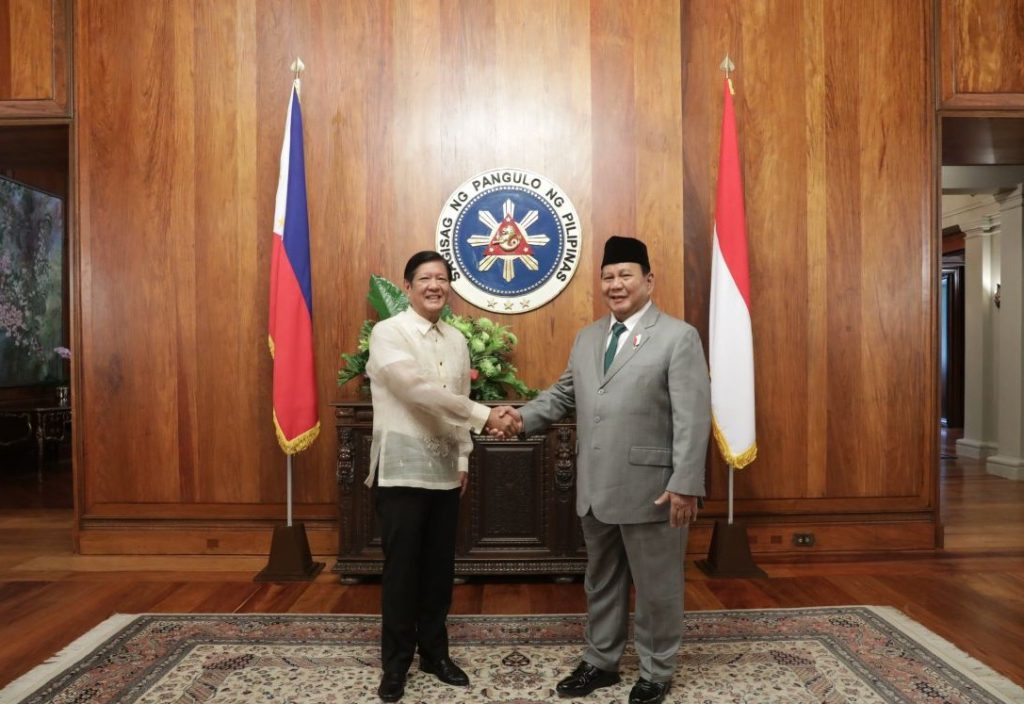
Indonesian President Prabowo Subianto arrived in South Korea on Tuesday, March 31, after concluding his official visit to Japan. This visit aims to strengthen bilateral relations between Indonesia and South Korea, as the Indonesian president seeks to solidify economic and political cooperation between the two countries.
During his visit to Japan, President Subianto met with several Japanese officials, where they discussed ways to enhance cooperation in investment and technology. The Japanese side expressed significant interest in expanding its investments in Indonesia, particularly in vital sectors such as energy and infrastructure.
Details of the Event
President Subianto's visit to South Korea comes at a sensitive time, as he aims to strengthen relations with major Asian countries. He is expected to meet with South Korean President Yoon Suk-yeol to discuss issues related to trade and regional security. The discussions will also cover cooperation in modern technology and innovation.
South Korea is considered one of Indonesia's largest trading partners, with trade volume between the two countries reaching approximately 20 billion USD last year. Both sides hope to increase this figure by enhancing cooperation in new areas.
Background & Context
Historically, the relations between Indonesia and South Korea have been strong, characterized by numerous reciprocal official visits over the years. These relations have contributed to the strengthening of Korean investments in Indonesia, leading to the creation of new job opportunities and boosting economic growth.
Moreover, Indonesia is one of the largest markets in Southeast Asia, making it an attractive destination for foreign investments. South Korea has shown great interest in expanding its influence in this market, especially amid increasing competition among economic powers in the region.
Impact & Consequences
President Subianto's visit to South Korea is a strategic step to enhance regional cooperation. This visit is expected to lead to an increase in Korean investments in Indonesia, contributing to economic growth in the country. Additionally, cooperation in technology and innovation may open new avenues for sustainable development.
Politically, this visit could enhance Indonesia's position on the international stage, as the country seeks to play a larger role in regional security and economic cooperation. This is significant given the challenges facing the region, including geopolitical tensions.
Regional Significance
The relations between Indonesia and South Korea serve as a model for enhancing cooperation among developing countries. Arab nations can benefit from this model by strengthening their relations with major Asian countries, particularly in investment and technology.
Furthermore, the strengthening of relations between Indonesia and South Korea could open new avenues for Arab-Asian cooperation, contributing to economic development in the Arab region.
In conclusion, the Indonesian president's visit to South Korea represents an important step towards enhancing bilateral relations and opens new opportunities for cooperation in various fields. This visit is expected to yield positive results that will benefit both countries.