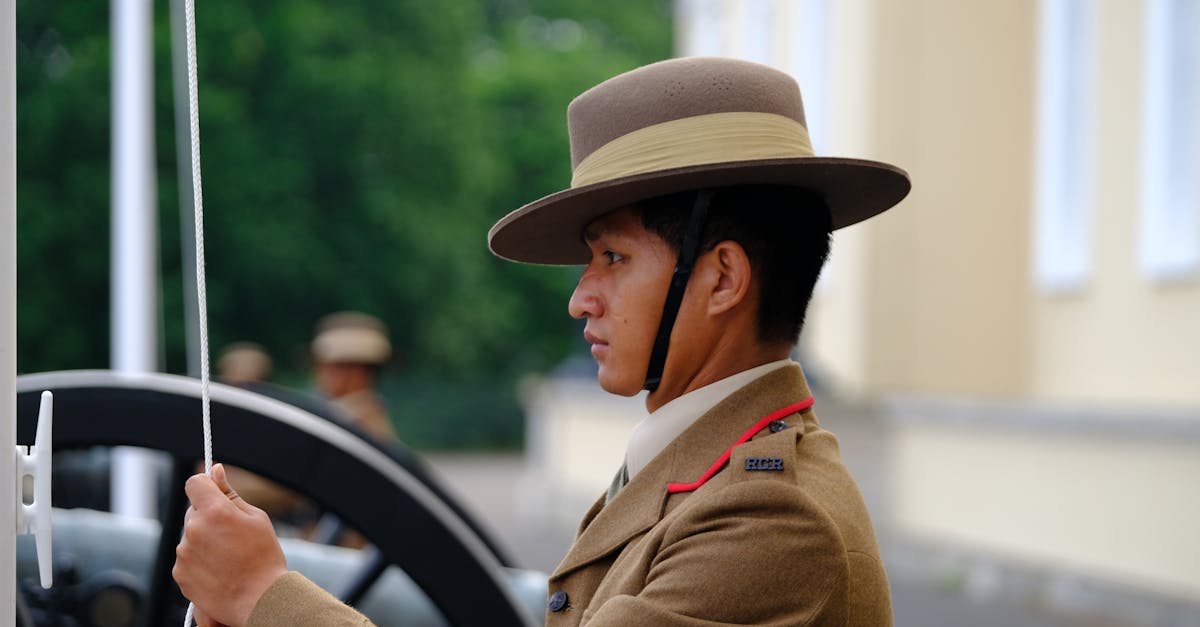
Indonesian President Joko Widodo strongly condemned the killing of three Indonesian soldiers while serving as peacekeepers in Lebanon. This tragic incident occurred during a mission under the United Nations Interim Force in Lebanon (UNIFIL), raising widespread reactions from the Indonesian government and public.
In a post on his official Instagram account, President Widodo expressed his deep sorrow over the loss of these soldiers, noting that they were among the best soldiers representing the nation in a noble mission aimed at maintaining global peace. He emphasized the need to honor their sacrifices and not forget the valuable services they provided.
Details of the Incident
The soldiers who lost their lives are: Major Inf (Anumerta) Zulmi Aditya Iskandar, Serka (Anumerta) M. Nur Eishwan, and Kopda (Anumerta) Farizal Romadon. They were honored with an exceptional promotion from the government as a mark of appreciation for their sacrifices. A military ceremony was organized to honor them in the presence of President Widodo, who offered condolences to their families.
During the ceremony to receive the soldiers' remains at Sukarno-Hatta Airport, they were placed in coffins covered with the Indonesian flag, with personal photos of each soldier, adding a solemn touch to the event. The ceremony was also attended by the soldiers' families, with their wives prominently present.
Background & Context
Historically, Indonesia has contributed troops to United Nations peacekeeping missions since 1957, being among the leading countries in this field. Indonesia has participated in several international missions aimed at enhancing security and stability in conflict areas. This participation demonstrates Indonesia's commitment to contributing to global peace, despite the risks its forces may face in the field.
The UNIFIL forces in Lebanon are one of the largest peacekeeping missions, deployed since 1978 to monitor the ceasefire and enhance security in the region. These forces have faced numerous challenges, including attacks targeting soldiers, raising questions about the safety and security of the participating troops.
Impact & Consequences
This incident comes at a sensitive time, as tensions in the Middle East are rising, which may impact international peace efforts. The killing of Indonesian soldiers may increase pressure on the Indonesian government to reassess its participation in peacekeeping missions, especially given the escalating risks.
This incident may also provoke reactions from the international community, as the loss of Indonesian soldiers reflects the challenges faced by peacekeeping forces in conflict areas. Such events could lead to renewed calls for increased protection for soldiers involved in these missions.
Regional Significance
The Middle East is one of the most conflict-affected regions, where peacekeeping forces play a crucial role in attempting to achieve stability. The killing of Indonesian soldiers highlights the dangers faced by these forces and reflects the challenges confronting peace efforts in the region.
This incident may also affect relations between Indonesia and Arab countries, as it could enhance cooperation in the fields of security and peace. Indonesia's commitment to participating in peacekeeping missions reflects its desire to promote stability in the region, potentially opening new avenues for Arab-Indonesian cooperation.