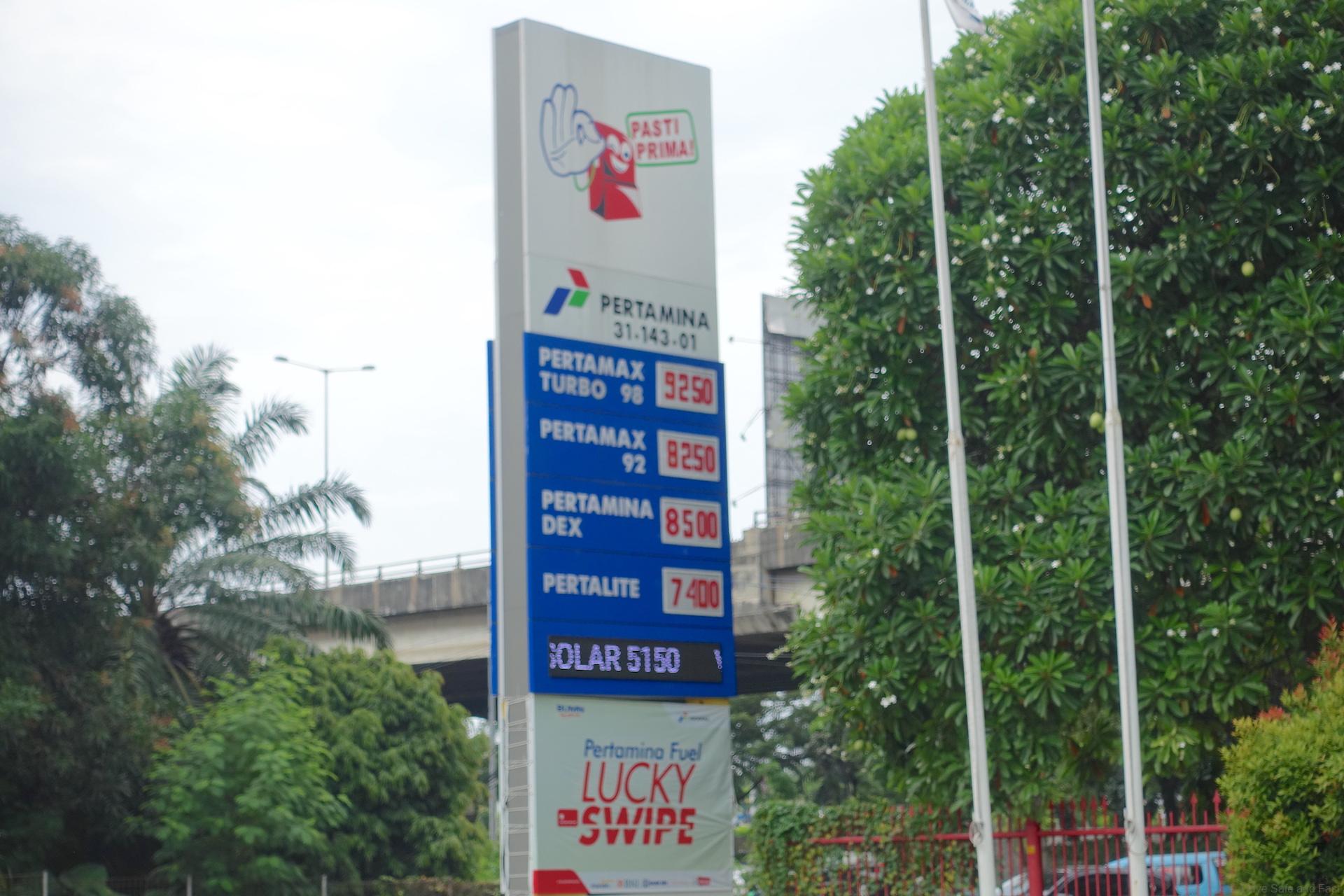
In a move that underscores the Indonesian government's commitment to citizen welfare, Minister of Rural Development, Yandri Susanto, expressed his appreciation for President Joko Widodo's decision to maintain subsidized fuel prices. This decision comes at a sensitive time when many citizens, particularly in rural areas, are experiencing increasing economic pressures.
During his statements in Jakarta, Susanto emphasized that maintaining stable subsidized fuel prices is a vital step in protecting the purchasing power of vulnerable groups. He noted that this policy will contribute to enhancing economic development in villages, allowing farmers and small businesses to continue operating without additional pressures.
Event Details
Susanto's remarks came during a signing ceremony for a memorandum of understanding with several strategic partners, attended by various government officials, including the Deputy Minister of Rural Development. The minister reaffirmed the government's commitment to listening to citizens' demands and working to meet them, highlighting the importance of stable fuel prices in supporting the local economy.
He also added that this decision reflects the government's commitment to supporting the most needy, as vulnerable groups are the most affected by price fluctuations. He considered this decision a direct support to farmers and small business owners in villages.
Background & Context
Historically, subsidized fuel prices have been a sensitive topic in Indonesia, as many citizens rely on these low prices to meet their daily needs. In recent years, the country has witnessed several attempts to raise fuel prices, leading to widespread protests from citizens who believed that these increases would negatively impact their daily lives.
This step is part of the government's efforts to promote rural development and achieve economic justice. The Indonesian government aims to strike a balance between economic growth and maintaining the living standards of its citizens.
Impact & Consequences
The decision to maintain fuel prices is expected to have a positive impact on the local economy, as it will help reduce production and transportation costs, enhancing the competitiveness of small businesses. Additionally, price stability will assist in improving the living standards of vulnerable groups, potentially leading to increased local consumption.
Moreover, this decision may boost citizens' confidence in the government, as they see a genuine commitment to improving their living conditions. It could also lead to enhanced social stability, reducing the likelihood of protests and demonstrations that may arise from price increases.
Regional Significance
Indonesia's experience in managing subsidized fuel prices offers valuable lessons for Arab countries, which face similar challenges in managing their local economies. Stability in fuel prices can have positive macroeconomic effects, contributing to sustainable development.
This step also reflects the importance of government policies in supporting vulnerable groups, which could serve as a model for Arab countries striving for social justice and economic development.