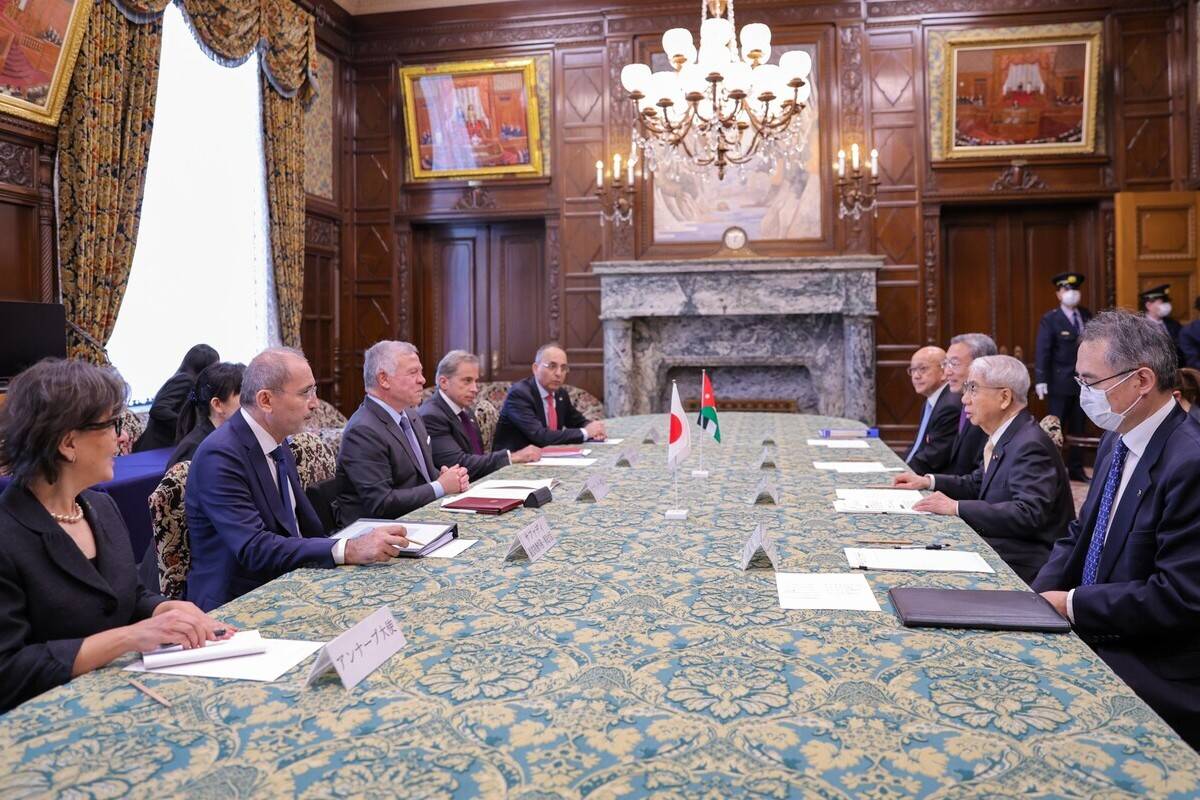
Indonesian President Joko Widodo held a meeting with Japanese Emperor Naruhito at the Imperial Palace in Tokyo on Monday, where a range of strategic issues of mutual interest were discussed, including investment, energy, and environmental protection. The meeting lasted approximately 45 minutes and was followed by an official lunch, bringing the total time spent by the president at the palace to two hours.
This meeting is part of an official visit by the Indonesian president to Japan, aimed at enhancing bilateral relations between the two countries. Teddy Indra Wijaya, Secretary of the Cabinet, noted that the meeting reflects Indonesia's commitment to strengthening cooperation with Japan across multiple sectors.
Details of the Meeting
During the meeting, President Widodo discussed issues related to investment in renewable energy with Emperor Naruhito, a topic of particular significance given the global environmental challenges. The conversation also covered ways to enhance cooperation in modern technology and innovation, reflecting both countries' vision for a sustainable future.
Additionally, President Widodo also met with Prince Fumihito, the emperor's brother, highlighting the depth of familial ties between the two royal families and strengthening the cultural and social connections between Indonesia and Japan.
Background & Context
The history of relations between Indonesia and Japan spans several decades, with significant developments since the period of Japanese occupation during World War II. Following independence, Indonesia worked to build strong ties with Japan, which has become one of the largest investors in the country.
Japan is considered a strategic partner for Indonesia in various fields, including industry and trade. It is also one of the leading countries in technology and innovation, making cooperation with Japan vital for Indonesia in its pursuit of sustainable development.
Impact & Consequences
This meeting reflects Indonesia's strategic direction towards enhancing cooperation with major countries, particularly in the fields of investment and energy. In light of the environmental challenges facing the world, cooperation in environmental protection is crucial for ensuring a sustainable future.
Furthermore, strengthening relations with Japan could open new avenues for investment in Indonesia, contributing to the enhancement of the national economy and the creation of job opportunities. This visit is expected to lead to increased cooperation in advanced technology sectors, bolstering Indonesia's competitiveness in the global market.
Regional Significance
The Indonesian-Japanese relationship serves as a model for Arab countries in their efforts to enhance cooperation with major nations. Arab states can benefit from Indonesia's experience in building strategic relations with Japan, especially in the fields of investment and renewable energy.
In the face of climate change and environmental challenges, cooperation in environmental protection is also vital for Arab countries, necessitating the strengthening of partnerships with developed nations like Japan.