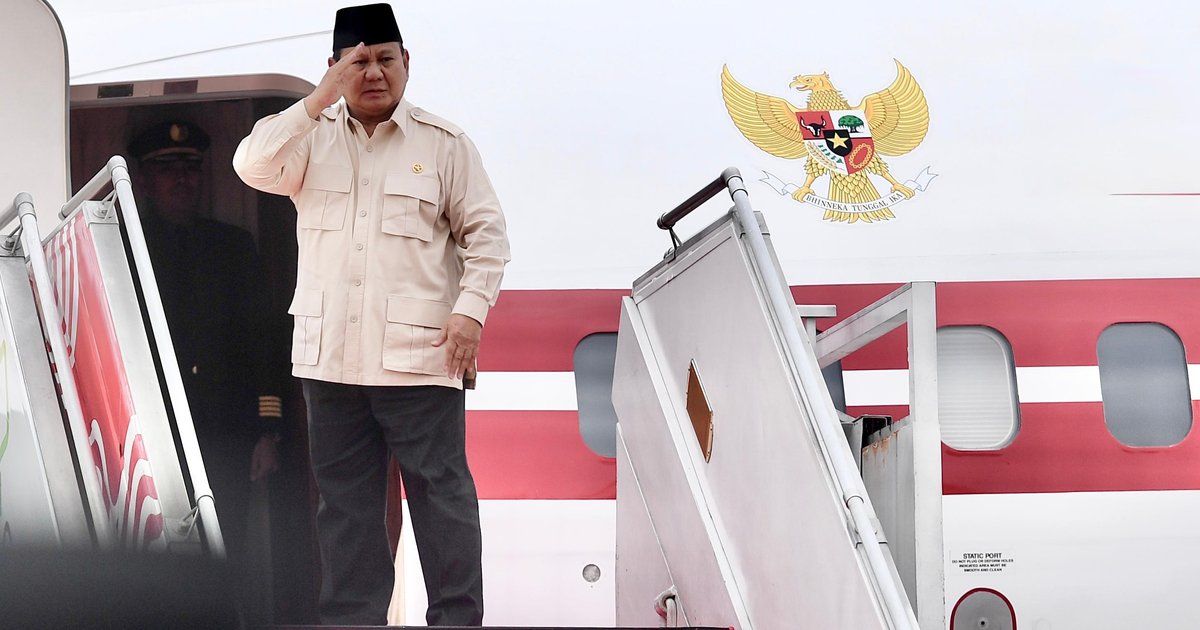
Indonesian President Prabowo Subianto has returned home after a successful official visit to Japan and South Korea, where massive investment agreements worth 574 trillion rupiah (approximately 38 billion USD) were signed. These agreements are part of the Indonesian government's efforts to enhance economic growth and attract foreign direct investment.
During his visit, the Indonesian president met with several leaders and business figures in both countries, discussing opportunities for cooperation in various fields such as technology, energy, and infrastructure. The importance of strengthening trade relations between Indonesia and these advanced nations was also emphasized.
Details of the Event
While in Japan, Subianto held talks with Prime Minister Fumio Kishida, where the significance of the strategic partnership between the two countries was reaffirmed. Kishida noted that Japan would continue to support Indonesia in sustainable development projects.
In South Korea, the Indonesian president met with President Yoon Suk Yeol, where several agreements related to cooperation in modern technology and renewable energy were signed. The discussions also focused on ways to enhance Korean investments in Indonesia, particularly in the industrial sector.
Background & Context
Indonesia is considered one of the largest economies in Southeast Asia, with the government striving to attract more foreign investments to bolster economic growth. In recent years, Indonesia has seen a notable improvement in its business environment, making it a preferred destination for foreign investors.
Historically, relations between Indonesia, Japan, and South Korea have been strong, with Japan being one of the largest investors in Indonesia. South Korea is also an important trade partner, contributing to numerous development projects in the country.
Impact & Consequences
The agreements signed during this visit are a significant step towards strengthening the Indonesian economy, as they will contribute to creating new job opportunities and improving infrastructure. Additionally, these investments will assist Indonesia in achieving its sustainable development goals.
Moreover, enhancing relations with Japan and South Korea may open new avenues for cooperation in other areas such as education and culture, thereby elevating Indonesia's status on the international stage.
Regional Significance
Indonesia is the largest Muslim-majority country by population and plays a crucial role in fostering relationships between Islamic nations and others. Strengthening the Indonesian economy may contribute to regional stability and enhance economic cooperation between Arab countries and Indonesia.
Furthermore, Japanese and Korean investments in Indonesia could pave the way for Arab companies to collaborate with these firms, thereby boosting trade and investment opportunities in the region.