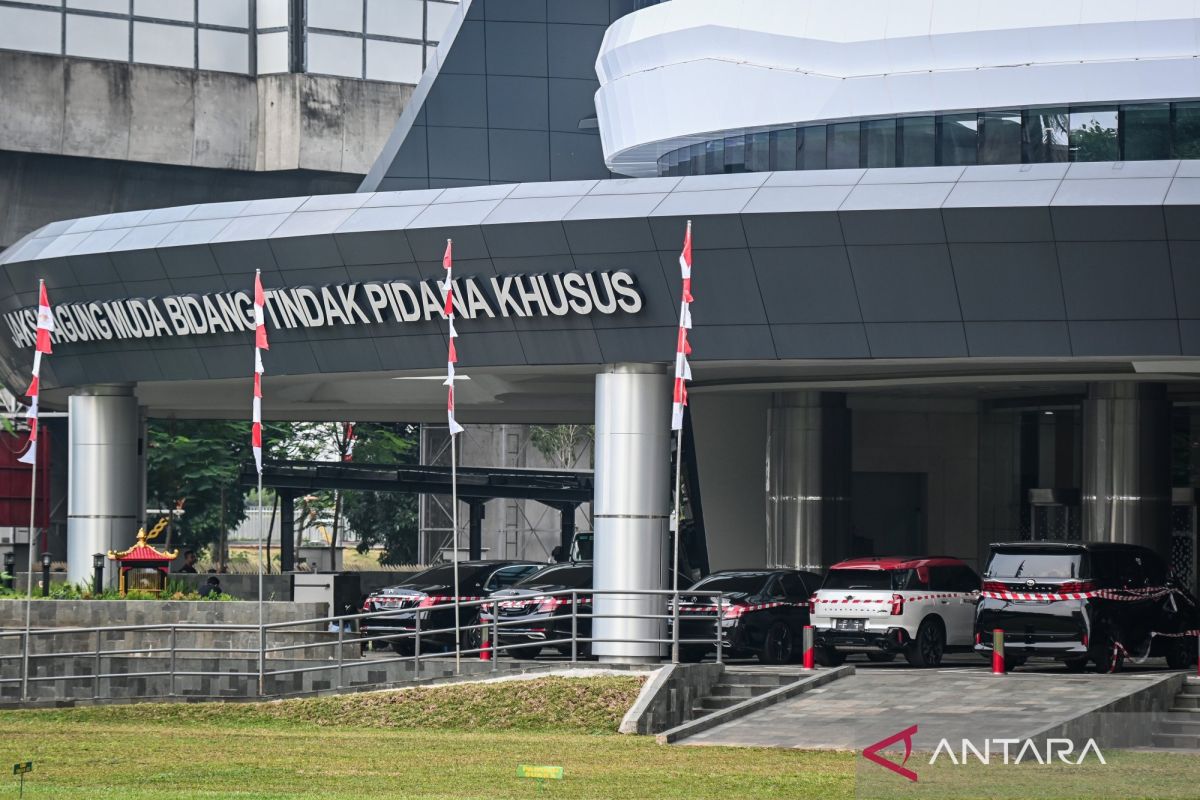
Indonesian prosecutors (Kejagung) have announced the indictment of Muhammad Reza Chalid and seven other individuals in a corruption case related to the purchase of crude oil and petroleum products from Pertamina Energy (Petral) between 2008 and 2015. This case raises significant concerns in Indonesia, as it is considered one of the largest corruption scandals in the energy sector.
According to the Director General of Investigations at the Attorney General's Office, Sariif Sulaiman Nahdi, Chalid is accused of being the actual owner of several companies linked to the oil sector, where he influenced bidding and supply processes. Among the other defendants are directors from his affiliated companies, as well as employees from Pertamina.
Details of the Case
Investigations indicate that Reza Chalid, through his companies such as Gold Manor and VeritaOil, manipulated the bidding processes for crude oil purchases, leading to unjustified price increases. Evidence has shown collusion between him and employees at Pertamina, negatively affecting market competition and resulting in substantial financial losses for the company.
Following the indictment, five of the defendants were detained in prison for 20 days, while one was placed under house arrest due to health conditions. As for Reza Chalid, he remains at large and is considered a fugitive from justice, having been placed on the wanted list.
Background & Context
Indonesia is one of the largest oil producers in Southeast Asia and has witnessed numerous corruption cases in the energy sector over the years. Many scandals related to the mismanagement of natural resources have been uncovered, leading to increasing calls for reform in this sector. The case of Reza Chalid comes at a sensitive time as the Indonesian government seeks to enhance transparency and combat corruption.
Historically, there have been significant efforts by the Indonesian government to improve the business environment and attract foreign investments, but ongoing corruption issues hinder these efforts. Reports have indicated that corruption in the energy sector costs the country billions of dollars annually.
Impact & Consequences
The case of Reza Chalid serves as a wake-up call for the Indonesian government and the private sector, highlighting the need to strengthen oversight and accountability in procurement and contracting processes. This case is expected to lead to further investigations into other energy companies and may negatively impact Indonesia's reputation as an investment hub.
This case may also provoke reactions from civil society and citizens, who are demanding more transparency in the management of natural resources. The country may witness protests and calls for radical reforms in the administrative system.
Regional Significance
Corruption cases in the energy sector are particularly significant for Arab countries, which heavily rely on oil revenues. Indonesia's experiences in combating corruption may provide valuable lessons for Arab nations facing similar challenges. It is crucial for Arab countries to adopt effective strategies to combat corruption and enhance transparency in the management of natural resources.
In conclusion, the case of Reza Chalid underscores the necessity of fighting corruption in the energy sector, which requires international cooperation and radical reforms to ensure the sustainability of natural resources and achieve sustainable development.