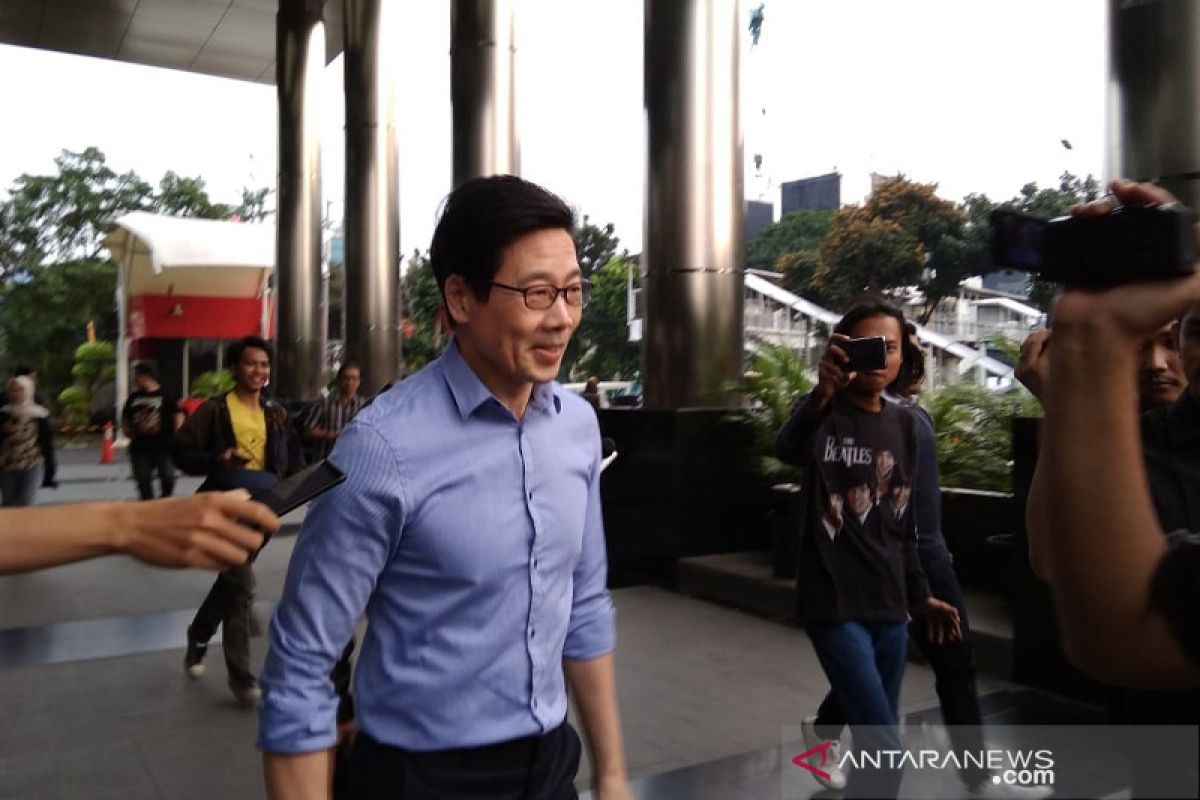
On Friday, March 27, the Indonesian Attorney General announced corruption charges against mining executive Samin Tan related to illegal mining practices. This announcement is part of the government's efforts to combat corruption and enhance transparency in the country, as Indonesia seeks to improve its international image in business and investment.
The charges against Samin Tan involve illegal practices in managing mining operations, where he allegedly offered bribes to obtain illegal mining permits. This case raises widespread concern in Indonesia, which suffers from recurring corruption issues across various sectors.
Details of the Case
This step follows months of investigations, during which the Attorney General's office gathered a range of evidence supporting the charges against Tan. A spokesperson for the Attorney General indicated that the investigations included questioning several witnesses and collecting documents proving Tan's involvement in corrupt activities.
Samin Tan is considered a prominent figure in the Indonesian mining sector, owning a large mining company that is among the most significant in the country. This announcement has elicited mixed reactions among citizens, with some viewing it as a positive step towards enhancing transparency, while others believe it may be insufficient to tackle rampant corruption.
Background & Context
Historically, Indonesia has faced deep-rooted corruption issues in various fields, including politics and the economy. Reports have shown that corruption in Indonesia costs the national economy billions of dollars annually, negatively impacting sustainable development in the country. In recent years, the Indonesian government has taken serious steps to combat corruption, including establishing independent bodies to monitor corruption and strengthening laws related to transparency.
The case of Samin Tan is one of many that highlight the challenges Indonesia faces in fighting corruption. The government has shown its determination to address this issue seriously, reflecting its commitment to improving the business environment in the country.
Impact & Consequences
The charges against Samin Tan could have significant implications for the mining sector in Indonesia, which is a major source of national revenue. If the charges are proven, it could lead to radical changes in how mining operations are managed in the country, potentially affecting both foreign and domestic investments.
Moreover, this case may encourage further investigations into other corruption cases, which could enhance the government's efforts to combat corruption. However, the biggest challenge remains how to effectively implement these efforts to ensure tangible results.
Regional Significance
The corruption case in Indonesia serves as an example of the challenges many countries in the Arab region also face. Many Arab nations suffer from similar corruption issues, impacting economic development and political stability. Enhancing transparency and combating corruption are considered fundamental priorities for achieving sustainable development in the region.
In conclusion, the case of Samin Tan underscores the importance of addressing corruption as a key factor in achieving development and prosperity. Indonesia's success in handling this case could serve as a model for other countries seeking to improve their economic and political environments.