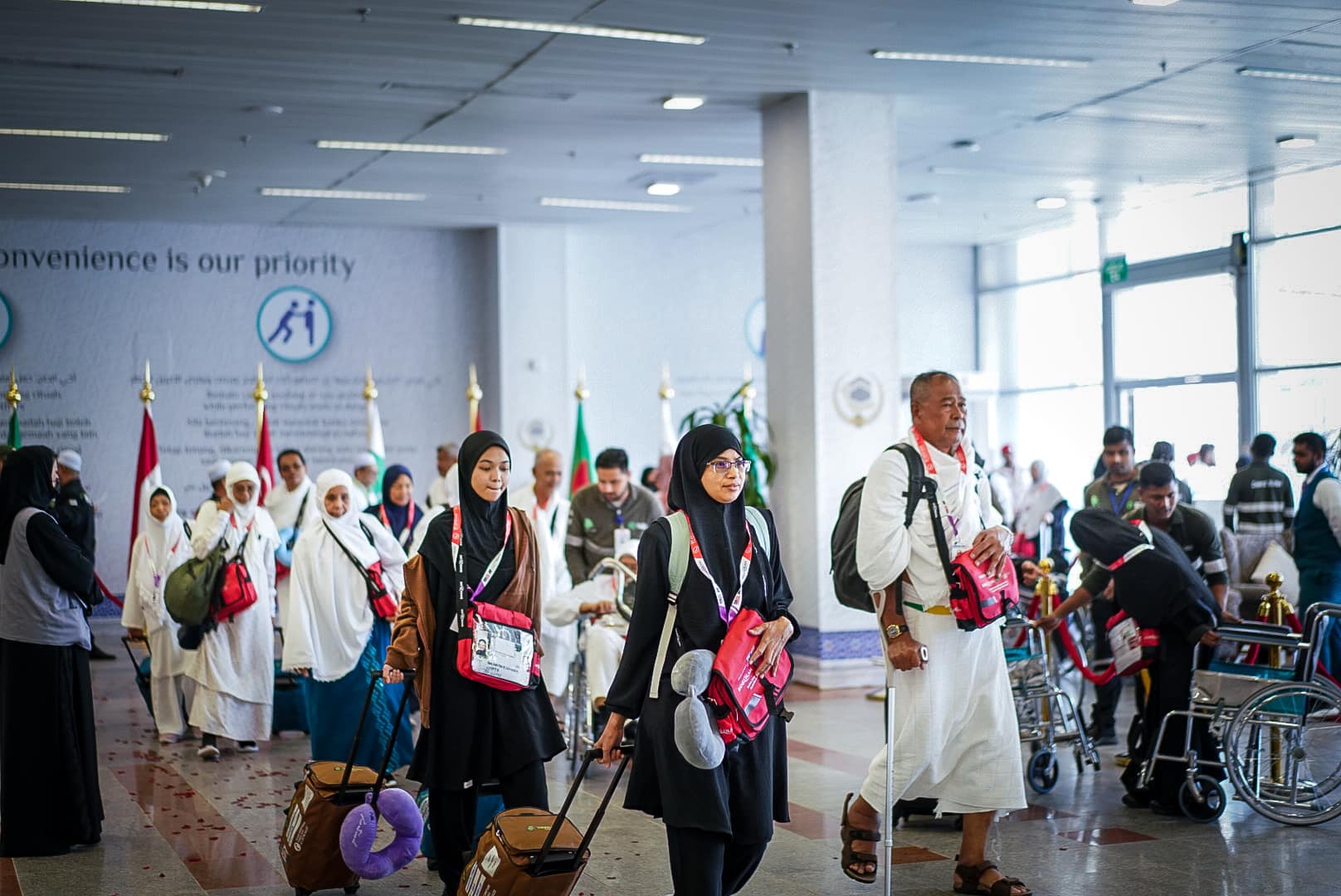
The Indonesian Deputy Minister of Hajj and Umrah, Dahni Anzar Simanjuntak, began his bilateral meeting with the Saudi Deputy Minister of Hajj and Umrah, Abdul Fattah bin Suleiman Mashat, in Medina on Sunday, March 29. This meeting is part of the preparations for the upcoming Hajj season, where increasing challenges related to rising flight costs due to global crises, particularly the energy crisis, were discussed.
In press statements, Simanjuntak confirmed that the safety of pilgrims is the top priority for the Indonesian government, highlighting the importance of ensuring security in air travel and the availability of food logistics. He explained that the rising fuel prices pose a challenge that must be addressed jointly by both countries to ensure the continuity of air services optimally.
Event Details
Simanjuntak reported that the Indonesian government is taking proactive steps to maintain the quality of services provided to pilgrims, whether in terms of transportation or providing food needs during their stay in the holy lands. He noted that the Indonesian President, Joko Widodo, pays special attention to the safety of pilgrims, focusing on aspects related to air security and food logistics preparations.
Simanjuntak also visited several food service kitchens in Saudi Arabia, where he stressed the necessity of maintaining the availability of food supplies. He called for food reserves sufficient for three months, including the provision of ready meals to face any emergencies that may arise.
Background & Context
Historically, the Hajj season is one of the largest religious gatherings in the world, with millions of Muslims from around the globe heading to Mecca to perform the Hajj rituals. As the number of pilgrims increases, challenges related to transportation, accommodation, and logistics also rise. Recent years have seen numerous global crises impacting Hajj costs, such as rising fuel prices due to geopolitical conflicts.
In recent years, the Saudi government has worked to improve services provided to pilgrims, including developing infrastructure and increasing the number of flights. However, new challenges emerging on the global stage require a swift and effective response to ensure the safety and comfort of pilgrims.
Impact & Consequences
The potential increase in flight costs could affect the number of pilgrims coming from Indonesia, as Indonesia is the largest Muslim-majority country by population. If costs rise significantly, many pilgrims may have to postpone or cancel their plans to perform Hajj, which could impact the local economies in both Indonesia and Saudi Arabia.
Moreover, rising Hajj costs may increase pressure on governments to provide support and assistance to pilgrims, necessitating greater coordination between the two countries to ensure the necessary services are available.
Regional Significance
These developments are particularly significant for the Arab region, as Hajj represents one of the most important religious rituals that unite Muslims from different countries. Any changes in Hajj costs or services provided may affect relations between Islamic countries, especially under the difficult economic conditions many nations are facing.
In conclusion, cooperation between Indonesia and Saudi Arabia remains crucial to ensuring a successful Hajj season, requiring a swift and effective response to the increasing challenges. Focusing on the safety of pilgrims and providing the necessary logistical services will have a significant impact on the overall Hajj experience.