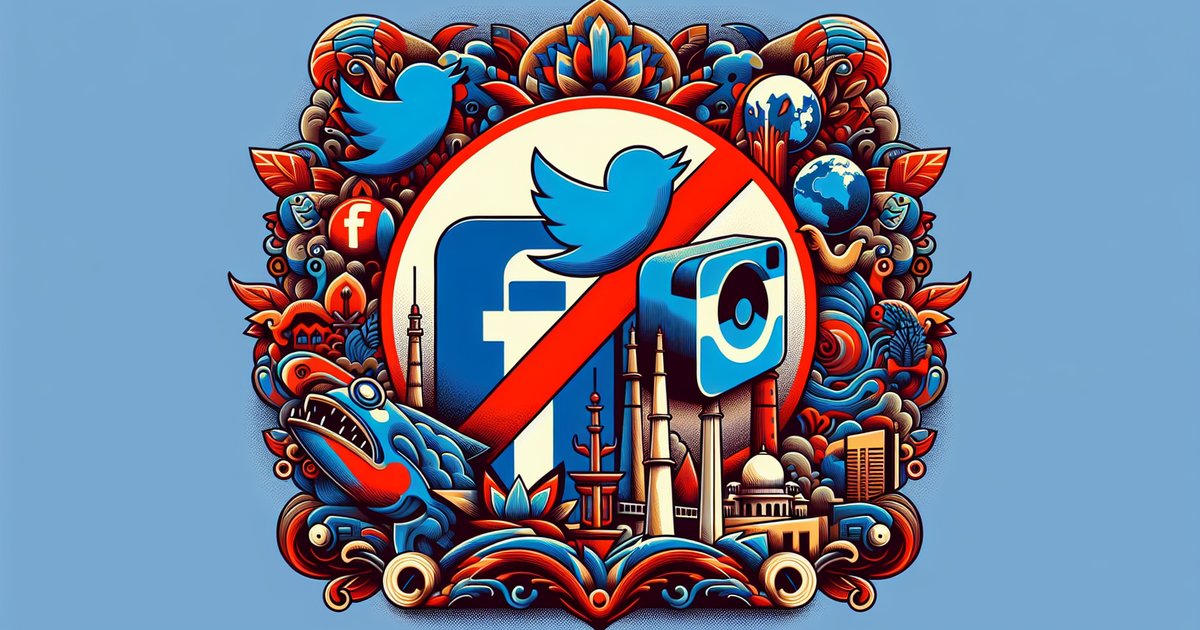
In a move aimed at enhancing the protection of children in the digital space, the Indonesian government has announced a plan to impose restrictions on social media use for children under the age of 16. These restrictions will take effect on March 28, 2026, according to Dr. Novida Raf, a sociology professor at Hasanuddin University in Makassar.
This policy comes as part of the government's efforts to protect children from the risks associated with the internet, as these restrictions are part of Government Regulation No. 17 of 2025 concerning the management of electronic systems to protect children.
Details of the Restrictions
The new restrictions aim to reduce children's use of social media on high-risk digital platforms. Dr. Novida emphasized that this step is essential to protect children from negative influences that may affect their personality development and social skills.
He pointed out that excessive use of social media at an early age can hinder the natural socialization process for children, as they tend to interact more in the digital space compared to the real world, which can negatively impact their psychological and social growth.
Background & Context
Global concerns about the impact of social media on children are increasing, with studies indicating that exposure to negative content such as cyberbullying and exploitation can lead to serious psychological issues. In this context, the Indonesian government seeks to protect children from these risks by imposing restrictions on access to these platforms.
This step is part of broader efforts to protect children in the digital space, as many countries around the world are striving to establish legal frameworks regulating internet use by children.
Impact & Consequences
These restrictions are expected to improve the digital environment for children, allowing them more opportunities for direct social interaction and personal skill development. This policy also reflects the Indonesian government's commitment to protecting children's rights and promoting their healthy development.
However, the success of this policy heavily relies on the role of families and the community in supporting and guiding children in the safe use of technology. There must be cooperation between the government and families to ensure that children understand the importance of these restrictions and do not seek ways to bypass them.
Regional Significance
This step in Indonesia serves as a model that Arab countries could benefit from, as many Arab communities face similar challenges regarding the impact of social media on children. These restrictions could be part of a comprehensive strategy to protect children and promote their social values.
In conclusion, this policy represents a positive step towards building a safer digital environment for children, contributing to their personality development and enhancing their social and psychological capabilities.