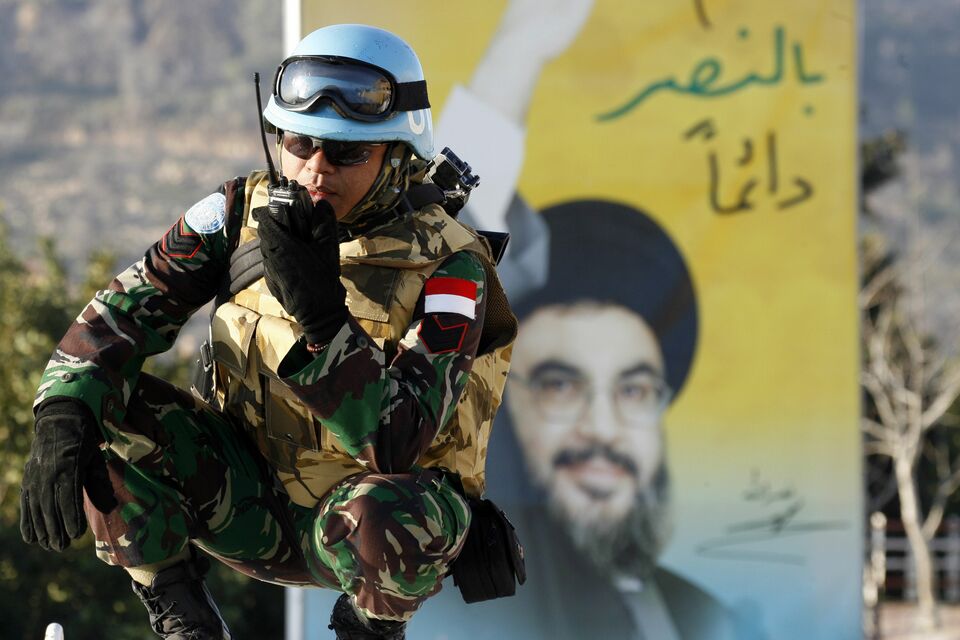
The Indonesian Ministry of Defense reported the death of a soldier from the Indonesian National Armed Forces (TNI) and injuries to three others due to a shelling attack targeting peacekeeping forces in Lebanon. The incident occurred amid rising concerns regarding the safety of Indonesian soldiers participating in international missions, highlighting the challenges Indonesia faces in its foreign policy.
Defense Ministry spokesperson, Colonel Riko Ricardo Sirat, confirmed that the deceased soldier was Farizal Rahmadhon, while two of his colleagues sustained minor injuries. The injured personnel were transported to the hospital for necessary treatment, where they are receiving intensive medical care.
Details of the Incident
The attack on Indonesian forces came at a critical time, as Indonesia has been participating in the peacekeeping mission in Lebanon for several years. The head of the Indonesian Army's information center, Major General Olia Dwi Nasrullah, indicated that the injured soldier Riko Pramudya is suffering from serious injuries, while the conditions of Baio Prakasoe and Arif Kurniawan are stable.
This incident occurs against the backdrop of escalating tensions in the region, necessitating increased international attention to the safety of peacekeeping forces. The Indonesian government has affirmed its commitment to ensuring the safety of its soldiers in international missions.
Background & Context
Historically, Indonesia has been a leading country in participating in United Nations peacekeeping missions, aiming to enhance its image as a peaceful nation contributing to international stability. However, incidents like this attack raise questions about the effectiveness of these missions and the need to bolster protections for participating soldiers.
Indonesia is one of the largest contributors to peacekeeping forces, deploying thousands of soldiers to conflict areas worldwide. Nonetheless, the increasing security challenges in these regions require new strategies to ensure the safety of soldiers.
Impact & Consequences
This incident underscores the urgent need to enhance international cooperation in peacekeeping, highlighting the importance of strategic partnerships among nations. Some observers have called for a reassessment of Indonesia's strategies in this field to ensure the safety of its soldiers.
Moreover, the incident may impact Indonesia's international relations, as it could raise concerns about the country's ability to protect its forces in international missions. These events are expected to lead to further discussions on how to strengthen cooperation among countries in addressing global security challenges.
Regional Significance
These events coincide with rising tensions in the Middle East, where peacekeeping forces play a vital role in stabilizing the region. Incidents like this may prompt a reevaluation of the role of these forces in regional conflicts, raising questions about the effectiveness of international efforts to achieve peace.
Furthermore, strengthening international partnerships, such as those Indonesia seeks to develop with Japan, could have a positive impact on regional security, as these partnerships may contribute to enhancing stability in conflict zones.