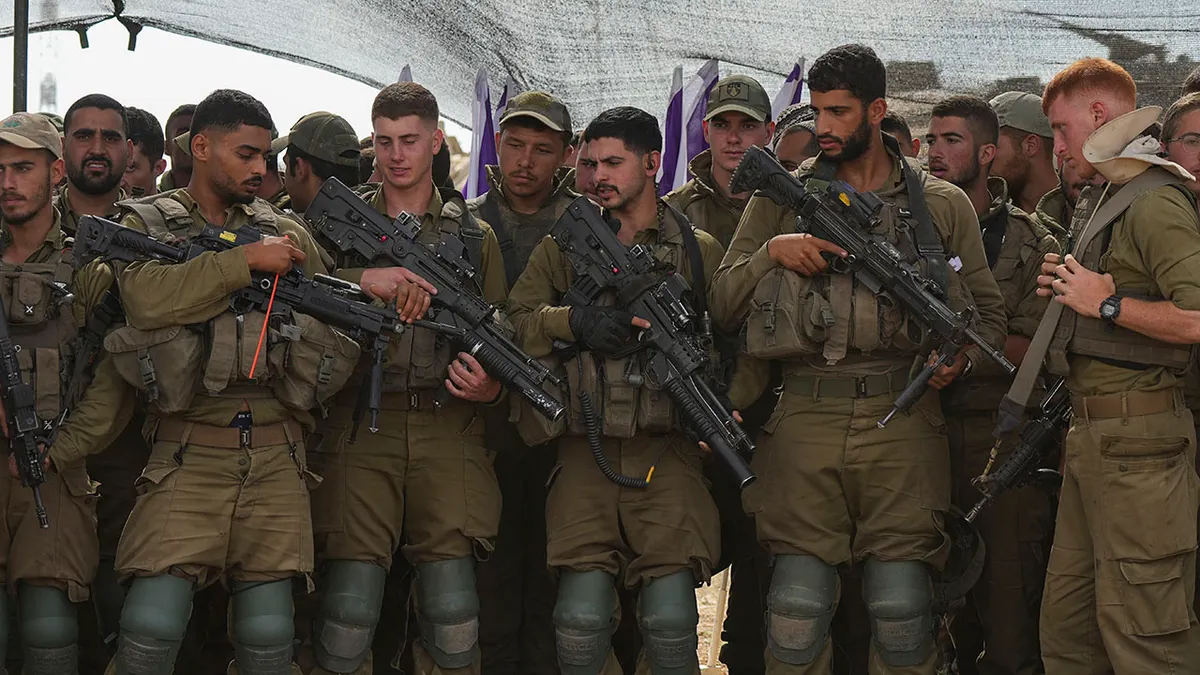
Indonesian soldier Farizal Ramdhan was killed while performing his duties in a peacekeeping mission in Lebanon as a result of an Israeli attack targeting the international forces' position. The incident took place at a time when tensions in the region are escalating, raising concerns about the safety of peacekeeping forces and the security of civilians.
Farizal, who was part of the United Nations Interim Force in Lebanon, was attacked while carrying out his routine tasks. This incident is not the first of its kind, as the region has witnessed numerous attacks targeting peacekeeping forces, highlighting the risks these troops face in conflict areas.
Details of the Incident
The attack that resulted in Farizal's death occurred in the southern Lebanon region, where UN forces were stationed. According to reports, Israeli forces targeted a site near the Indonesian soldiers, leading to casualties among them. The incident sparked widespread reactions from the Indonesian government, which condemned the attack and emphasized the need to protect peacekeeping forces.
The Indonesian government confirmed that it would investigate the incident and expressed its condolences to the family of the fallen soldier. It also called for the necessity of respecting international laws related to the protection of civilians and peacekeeping forces.
Background & Context
Historically, Lebanon has experienced ongoing conflicts for decades, particularly between Israeli forces and Hezbollah. Since 1978, UN forces have been deployed in Lebanon with the aim of maintaining peace and stability. However, the security situation remains fragile, with increasing attacks and military operations in the region.
The recent attack reflects the escalating tensions in the area, as clashes between Israeli forces and Palestinian factions in the occupied territories are on the rise. This escalation directly affects the safety of international peacekeeping forces and increases the risks they face in carrying out their missions.
Impact & Consequences
Farizal's death highlights the dangers faced by peacekeeping forces in conflict zones. This incident may affect the United Nations' ability to carry out its missions in Lebanon and could prompt some countries to reassess their participation in peacekeeping missions.
Additionally, this incident may heighten tensions between Indonesia and Israel, as the Indonesian government is expected to raise the issue in international forums. This could lead to increased calls for greater pressure on Israel from the international community.
Regional Significance
The incident underscores the challenges faced by Arab countries in dealing with regional conflicts, as the deaths of soldiers from non-Arab countries in peacekeeping missions reflect the complexities of the security situation in the region. This incident may also lead to increased tensions between Arab countries and Israel, reinforcing calls for solidarity with the Palestinians.
In conclusion, the martyrdom of Farizal Ramdhan serves as a tragic reminder of the challenges faced by peacekeeping forces in conflict areas and reflects the urgent need to enhance international efforts to achieve peace and stability in the region.