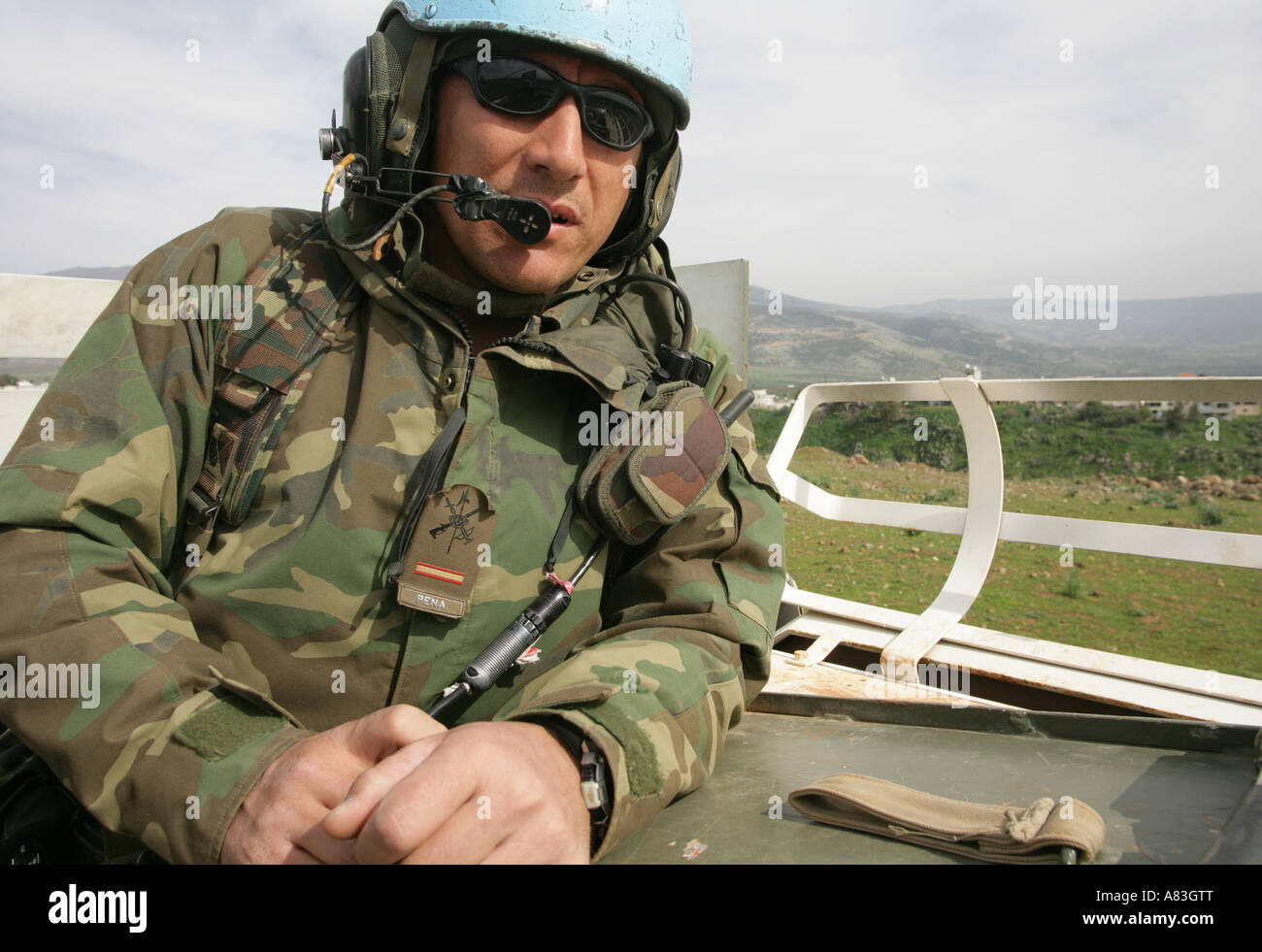
Indonesian Foreign Minister Retno Marsudi expressed deep sorrow over the death of Farzael Rahmadhon, a member of the Indonesian forces operating within the United Nations Interim Force in Lebanon (UNIFIL). The incident occurred on March 29, when the Indonesian troops' position in the city of Adchit al-Qasr was hit by artillery shelling, resulting in the soldier's death and injuries to three others.
During a press conference in Tokyo, Marsudi confirmed that the Indonesian embassy in Beirut has been instructed to arrange for the repatriation of the soldier's body and to monitor the condition of the remaining Indonesian soldiers in the Garuda Battalion of the UN forces.
Details of the Incident
The Foreign Minister discussed the details of the incident, noting that soldier Farzael was part of the UNP 7-1 battalion, which operates under the umbrella of UNIFIL. It has been confirmed that the fallen soldier is among those contributing to peacekeeping efforts in the region, which underscores the significance of the incident.
Marsudi also mentioned that the Deputy Permanent Representative of Indonesia to the United Nations in New York will soon meet with the UN Deputy Secretary-General responsible for peacekeeping operations to discuss the details of the incident and the necessity of conducting a thorough investigation.
Background & Context
Historically, the South Lebanon region has experienced ongoing tensions due to the conflict between Israel and Hezbollah, leading to the intervention of the United Nations in the form of peacekeeping forces. UNIFIL was established in 1978 with the aim of monitoring the ceasefire and assisting the Lebanese government in restoring security.
Recently, tensions in the region have escalated, making the presence of peacekeeping forces more critical. However, the attacks on these forces raise questions about the safety of soldiers operating in conflict zones.
Impact & Consequences
The death of the Indonesian soldier highlights the risks faced by peacekeeping forces in conflict areas. This incident may increase pressure on the Indonesian government to reassess its participation in UNIFIL, as some members of parliament have called for a review of the presence of Indonesian troops in Lebanon.
This incident could also affect relations between Indonesia and other countries involved in UNIFIL, as it necessitates greater coordination to ensure the safety of the soldiers.
Regional Significance
This incident serves as a reminder of the complexities of the situation in the Middle East, where local conflicts intersect with international dimensions. The killing of an Indonesian soldier reflects the challenges faced by peacekeeping forces and underscores the need for greater international efforts to achieve stability in the region.
In conclusion, the incident highlights the importance of dialogue and cooperation among nations to ensure the safety of soldiers involved in peacekeeping operations, reflecting the ongoing challenges faced by the region.