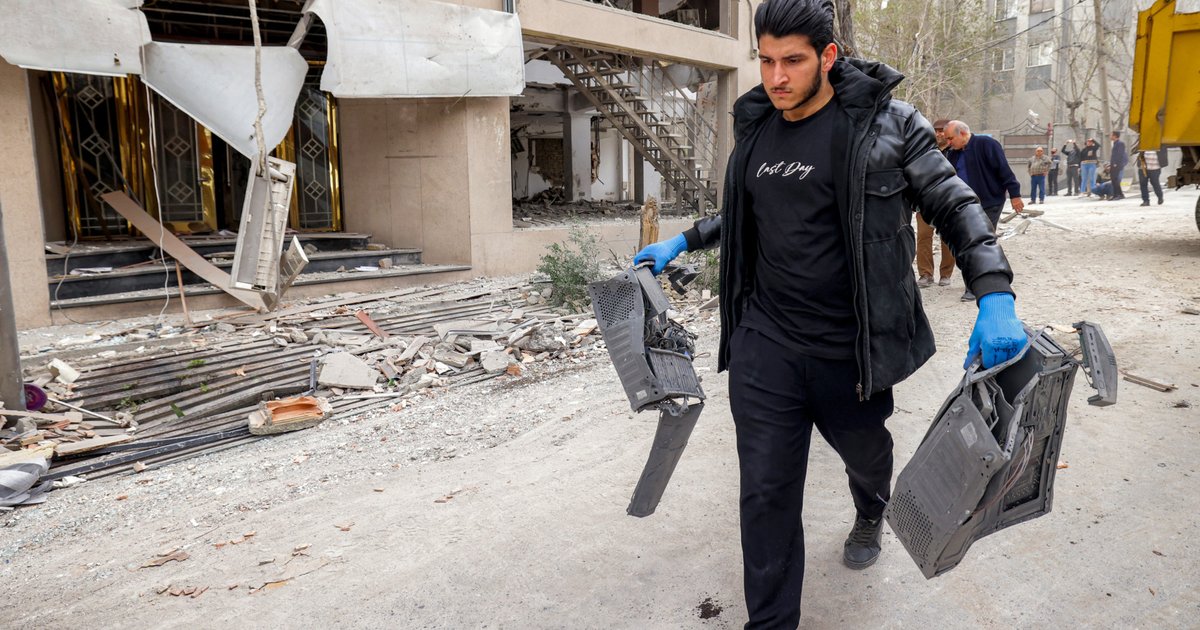
The Indonesian Ministry of Foreign Affairs has announced the death of one of its soldiers serving in the United Nations forces in Lebanon, following an incident caused by indirect artillery fire targeting their position near Aita al-Shaab. The incident also resulted in the injury of three other Indonesian soldiers, raising international concerns about the safety of peacekeeping forces in the region.
In an official statement, the ministry condemned the attack and called for a comprehensive and transparent investigation, emphasizing the need to respect the safety and security of UN forces at all times. This incident comes at a time when tensions are escalating between Israeli forces and Hezbollah, increasing the risks for peacekeeping troops deployed in the area.
Details of the Incident
The attack occurred on March 30, 2026, when indirect artillery shells targeted the position of the Indonesian battalion belonging to the United Nations Interim Force in Lebanon (UNIFIL). Indonesian soldiers have been deployed to Lebanon to contribute to peacekeeping efforts since 2006, following the Israeli war on Lebanon. The ministry confirmed that the soldiers were carrying out their usual tasks of monitoring the borders and ensuring peace in the area.
This incident is one of several that have affected UN forces in Lebanon, as tensions in the region rise due to ongoing clashes between Israeli forces and Hezbollah. Observers have noted that these incidents reflect the significant challenges faced by peacekeeping forces in conflict zones.
Background & Context
The United Nations Interim Force in Lebanon (UNIFIL) was established in 1978 with the aim of monitoring the withdrawal of Israeli forces from Lebanon and assisting the Lebanese government in regaining control over its territory. Over time, UNIFIL's tasks have evolved to include monitoring ceasefires and assisting local populations in rebuilding their lives after conflicts.
Despite ongoing efforts, the situation in southern Lebanon remains fragile, with clashes continuing between Hezbollah and Israeli forces. This has led to an increase in attacks on UN forces, raising questions about the effectiveness of these troops in achieving peace and stability in the region.
Impact & Consequences
This incident serves as a stark reminder of the dangers faced by peacekeeping forces in conflict areas. The death of the Indonesian soldier has sparked outrage from the Indonesian government, which has called for a thorough investigation into the incident. Additionally, this event may affect relations between Indonesia and other countries involved in UN forces, potentially necessitating a reevaluation of its role in the region.
Furthermore, this incident could increase pressure on the United Nations to enhance the protection of its forces in conflict zones. At the same time, it may escalate tensions between the conflicting parties in Lebanon, complicating peace efforts in the region.
Regional Significance
This incident is part of the larger picture of the conflict in the Middle East, where tensions are rising among various parties. The killing of the Indonesian soldier highlights the risks faced by peacekeeping forces and reflects the challenges Arab countries face in achieving stability in the region.
Moreover, this incident may influence the stance of Arab countries regarding the conflict in Lebanon, potentially prompting some nations to reevaluate their support for UN forces. Simultaneously, it may lead to increased calls for diplomatic efforts to resolve the conflict in the region.