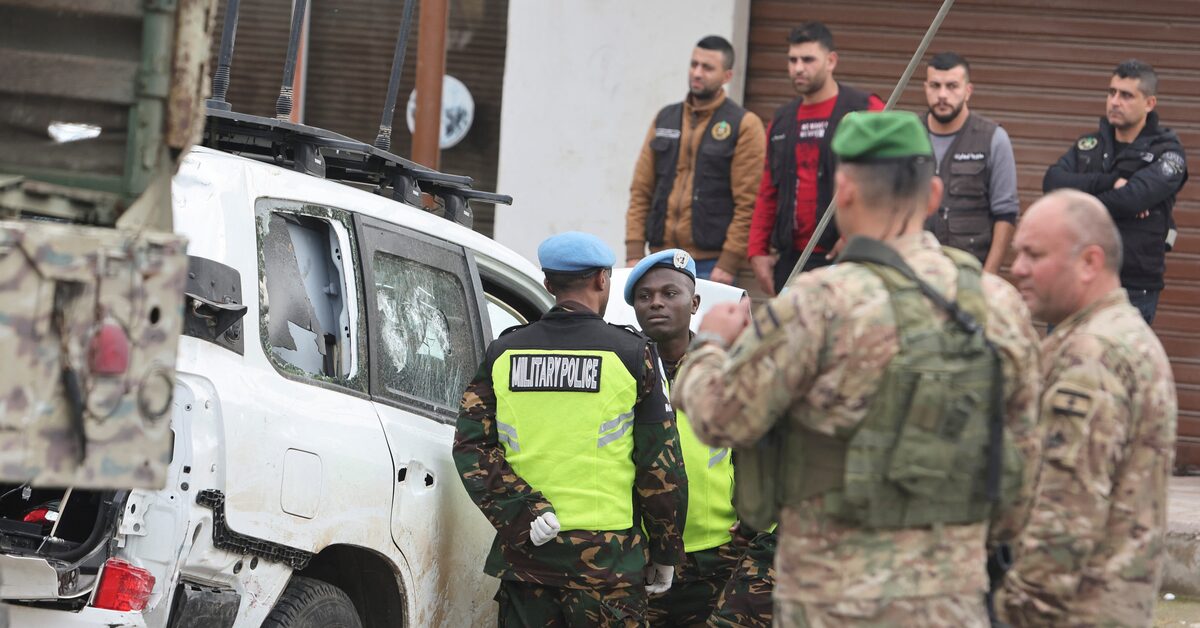
Indonesian soldier Farizal Ramadhan was martyred on the evening of Sunday, March 29, 2026, due to a shelling attack that targeted the Indobat area of the UN forces in Lebanon. The attack occurred at 20:44 local time and resulted in the loss of one of the soldiers who were on a peacekeeping mission as part of the United Nations Interim Force in Lebanon (UNIFIL).
Farizal Ramadhan, who belonged to the 113th Infantry Battalion, was known for his dedication to duty and loyalty to his commanders. Colonel Inf. T. Mustafa Kamal, spokesperson for the Indonesian Army Command, stated that Ramadhan was an example of a devoted soldier who dedicated his life to serving his country and global security and peace.
Details of the Incident
Soldier Farizal Ramadhan received his training in Aceh, where he began his military career nearly nine years ago. He was deployed to Lebanon as part of the Indonesian mission within the UN peacekeeping forces, where he worked to enhance stability in the region. The attack that led to his martyrdom came at a sensitive time, as the area was experiencing increasing tensions.
The military spokesperson spoke about the impact of this incident on the soldier's family, noting that Ramadhan left behind his wife Vafa Noor Azila and his two-year-old daughter Shanaya Almahiyara. He confirmed that the soldier would be buried in his hometown, reflecting the great respect he holds in his country.
Background & Context
Historically, Indonesia has been among the countries actively participating in international peacekeeping operations, sending its forces to conflict areas around the world. Since 1950, Indonesia has contributed to numerous missions, reflecting its commitment to international peace and security. In Lebanon, Indonesian forces have been operating within UNIFIL since 2006, following the Israeli-Lebanese war, aiming to achieve stability in the region.
Indonesian soldiers in Lebanon enjoy a good reputation, known for their professionalism and commitment to human rights principles. However, the risks they face remain significant, as evidenced by the recent incident that claimed the life of Farizal Ramadhan.
Impact & Consequences
The martyrdom of Farizal Ramadhan highlights the challenges faced by peacekeeping forces in conflict areas. Attacks on international soldiers are not new, but they raise questions about the effectiveness of these missions in achieving security and stability. The incident also reflects the risks soldiers undertake while performing their humanitarian duties.
This incident may lead to increased pressure on the Indonesian government to reassess its participation in peacekeeping missions, especially in light of the rising dangers. There are also calls to enhance protection for Indonesian soldiers working in conflict zones.
Regional Significance
The martyrdom of the Indonesian soldier in Lebanon reminds us of the security challenges faced by many Arab countries. Lebanon, which is suffering from political and economic crises, needs international community support to maintain its stability. This incident also underscores the importance of cooperation between Arab countries and other nations in the field of peacekeeping.
In conclusion, the martyrdom of Farizal Ramadhan is a painful reminder of the sacrifices made by soldiers for the sake of peace, reflecting the ongoing challenges faced by peacekeeping missions in conflict areas.