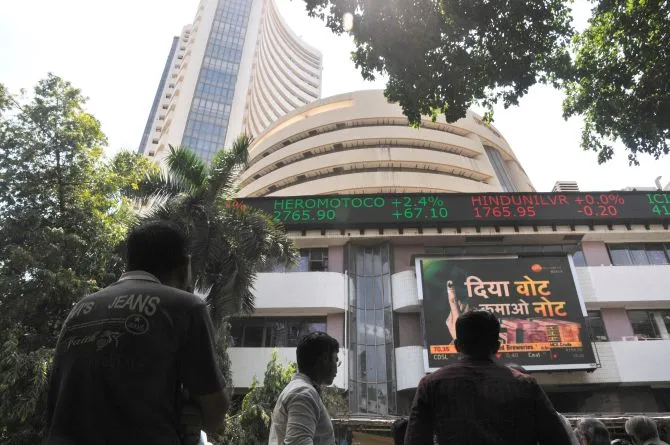
The Indonesian Stock Exchange Index (IHSG) opened lower on Monday morning, experiencing a significant drop of 76.53 points, which translates to a decrease of 1.08%, bringing the index down to 7,020.53 points. This decline occurs during a period of market uncertainty driven by global geopolitical and economic developments, raising concerns among investors.
The leading stock index, LQ45, also saw a decline, falling by 11.00 points, or 1.53%, to settle at 707.96 points. This downturn reflects a growing anxiety among investors regarding economic stability in the region.
Details of the Event
These declines in the Indonesian stock market indices come at a sensitive time when the global economy is facing numerous challenges, including escalating tensions between the United States and Iran. Such tensions directly impact financial markets, making investors more cautious in their decision-making processes.
Recent financial reports have highlighted an increasing worry among investors about the potential impact of these conflicts on oil prices and commodity markets, further intensifying pressures on financial markets in Indonesia and other developing countries.
Background & Context
Historically, Indonesia has experienced fluctuations in its financial markets as a result of global events. Over the years, the Indonesian stock market has been significantly affected by economic and political crises, making it susceptible to sudden changes. In recent years, there have been attempts to bolster economic stability through structural reforms, yet challenges persist.
Indonesia is considered one of the largest economies in Southeast Asia and has a substantial influence on regional markets. However, reliance on commodity exports makes it vulnerable to fluctuations in global prices, which affects investor confidence.
Impact & Consequences
Analysts suggest that the current decline in the Indonesian stock index could have widespread repercussions for the local economy. As fears of instability grow, investors may hesitate to inject more capital into the market, potentially leading to a slowdown in economic growth.
Moreover, this downturn may impact local companies that depend on foreign investments, increasing the challenges they face in achieving their expansion goals. If these trends continue, we might witness negative effects on the labor market and the purchasing power of citizens.
Regional Significance
Considering the situation in Indonesia, this decline could have implications for financial markets in the Arab region. Many Arab investors have interests in Asian markets, and any decline in confidence in these markets may prompt them to reassess their investments.
Additionally, geopolitical tensions, such as those occurring between the United States and Iran, could influence oil prices, which are a critical factor for Arab economies. Therefore, monitoring developments in Indonesia may be essential for understanding future trends in Arab markets.
In conclusion, the situation in Indonesia remains under close observation as investors look for signs of market stability. The current challenges may present an opportunity to rethink investment strategies, both in Indonesia and in other regional markets.