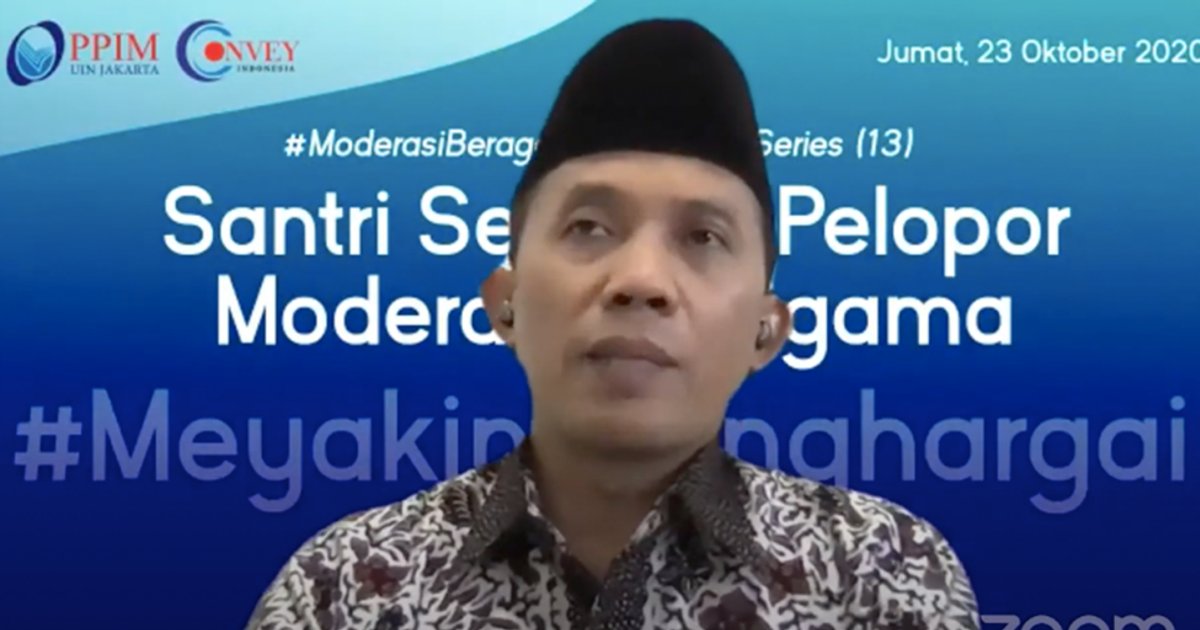
The Indonesian Ministry of Religious Affairs (Kemenag) is striving to achieve an equitable distribution of key imams across all provinces as part of its efforts to enhance career pathways and meet the needs of imams. Ahmad Zayadi, the Director of the Imam and Family Affairs Department at the ministry, confirmed that the ministry plans to appoint at least two key imams in each province.
Zayadi explained that there is a clear gap between the current number of imams and the number required at the national level, with the ideal number estimated at 16,237 imams, while the current number stands at 11,918 imams, including 10,706 government employees and 1,212 contract workers.
Details of the Initiative
Forecasts indicate that 1,850 imams are expected to retire over the next four years, increasing the urgent need to appoint new imams. Specifically, it is anticipated that 300 imams will retire in 2026, 463 in 2027, 508 in 2028, and 579 in 2029.
The ministry is currently enhancing communication and coordination with the Ministry of Administrative and Bureaucratic Reform (PAN-RB) to discuss strategies for meeting the needs of imams. Among the options being considered is the continuous recruitment of new staff, in addition to mechanisms for converting positions into imam roles.
Background & Context
Imams are a vital part of Indonesian society, playing an important role in guiding the community and teaching religious values. With the growing population and diverse community needs, the demand for imams has become more pressing. Historically, the Ministry of Religious Affairs has always sought to meet community needs by providing qualified imams.
Since 2007, financial allocations for imams have not seen any increase, affecting the living standards of these imams. The ministry aims to improve the living conditions of imams by increasing financial allocations and providing necessary support.
Impact & Consequences
These steps are essential to ensure the continuity of religious services in Indonesia, as a shortage of imams could lead to a decline in the level of religious education in the community. Additionally, improving working conditions for imams can help attract more youth to engage in this field.
The ministry also seeks to achieve fairness in the distribution of financial allocations between imams working in the public and private sectors, reflecting the government's commitment to improving working conditions in the public sector.
Regional Significance
Indonesia's experience in distributing and developing imams serves as a model that Arab countries could benefit from, as many of these nations face a shortage of qualified imams. Arab countries can learn from Indonesia's strategies in enhancing religious education and providing support for imams.
In conclusion, the efforts of the Indonesian Ministry of Religious Affairs represent a positive step towards enhancing religious education and ensuring the availability of qualified imams across all provinces, contributing to the strengthening of social and religious stability in the country.