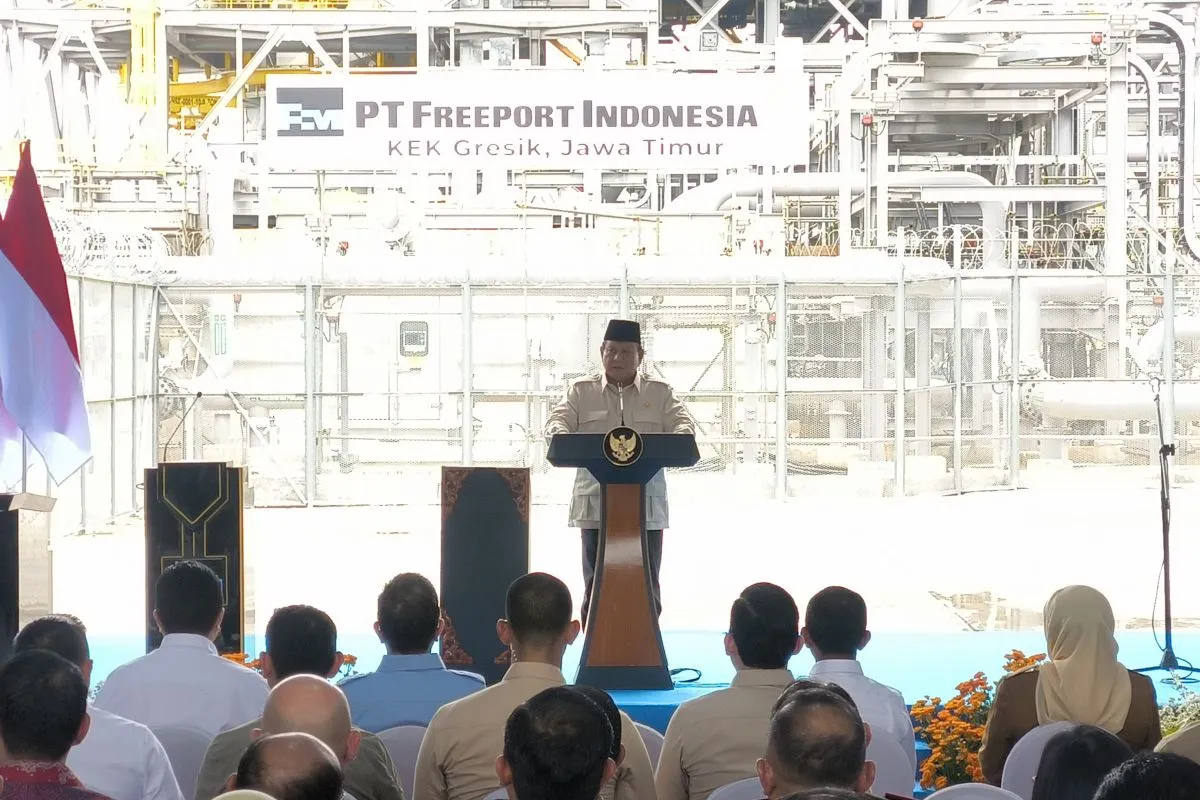
The official visit by Indonesia's President, Prabowo Subianto, to South Korea resulted in the signing of several memorandums of understanding worth $10.2 billion (approximately 173 trillion Indonesian Rupiah), thereby enhancing economic relations between the two nations. The details of these agreements were announced by the Coordinating Minister for Economic Affairs, Airlangga Hartarto, during his participation in the "Indonesia-Korea Partnership for Sustainable Growth" forum in Seoul.
These agreements encompass multiple strategic areas, including energy and green transition, such as solar energy and carbon capture technologies, in addition to renewable energy. They also include cooperation in industrial sectors such as iron, batteries, and environmentally friendly transportation.
Event Details
During the meeting, memorandums of understanding were signed with several major companies in South Korea, where firms like POSCO expressed interest in developing the iron industry in Indonesia, while Lotte seeks to open new avenues for cooperation with Danantara as a key investor. Airlangga emphasized that these investments are part of the Indonesian government's efforts to enhance the investment climate by addressing the obstacles faced by investors.
The minister also noted that this visit comes in the context of strengthening bilateral relations between Indonesia and South Korea, with these agreements representing an important step towards achieving sustainable development goals and enhancing economic growth in both countries.
Background & Context
Historically, the relations between Indonesia and South Korea have seen significant development, with South Korea being one of Indonesia's largest trading partners. Korean investments have contributed to enhancing infrastructure and local industries, helping Indonesia achieve sustainable economic growth.
In recent years, Indonesia has witnessed significant shifts in its economic policies, with the government striving to attract more foreign direct investment. The frequent official visits between Indonesian and South Korean leaders demonstrate both sides' commitment to enhancing bilateral cooperation.
Impact & Consequences
These new investments are seen as an indicator of Indonesia's continued attractiveness as a destination for foreign investors, especially amid unstable global geopolitical conditions. Airlangga indicated that these figures reflect the growing confidence in the Indonesian economy, thereby enhancing the country's position in global supply chains.
Moreover, these agreements will contribute to fostering innovation and technology in Indonesia, covering areas such as artificial intelligence and digital technology, which will enhance the country's competitiveness in the global market.
Regional Significance
The economic relations between Indonesia and South Korea serve as a model for Arab countries seeking to enhance their economic partnerships with Asian nations. Arab countries can benefit from Indonesia's experiences in attracting foreign investments and promoting sustainable economic growth.
In conclusion, this visit and the agreements signed between Indonesia and South Korea reflect both parties' commitment to enhancing economic cooperation, opening new horizons for development and investment in the region.