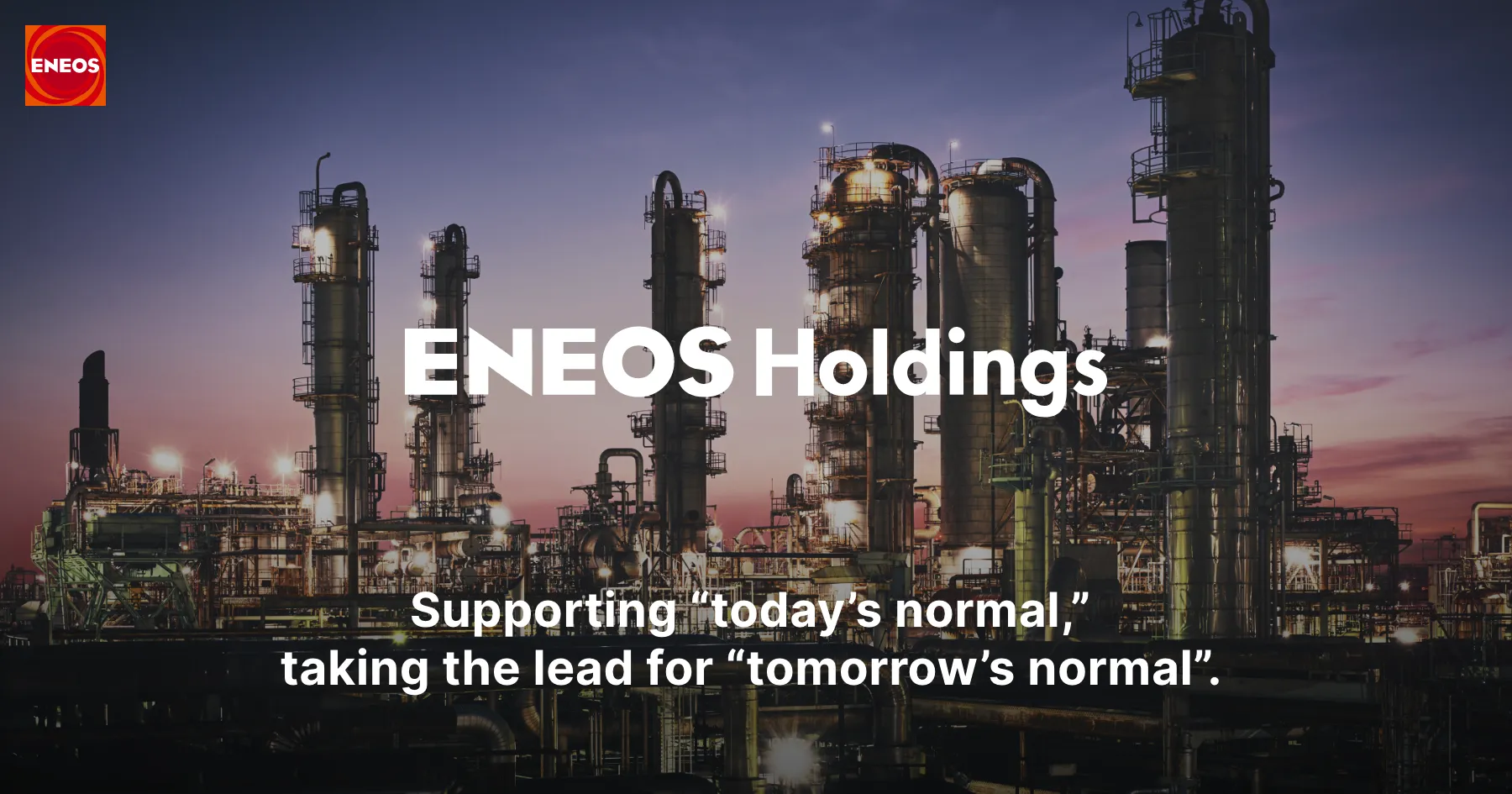
Ineos Holdings, a Tokyo-listed company, is the last remaining player in the race to acquire some of Chevron's Asian assets. According to informed sources, the deal could be valued at over $2 billion, reflecting Ineos's interest in expanding its operations in the energy sector.
The negotiations come at a time when the global energy market is undergoing significant changes, as major companies seek to restructure their assets to address environmental and economic challenges. Ineos's success in this deal could enhance its competitive edge in the Asian market and allow it to capitalize on the increasing demand for energy in the region.
Details of the Deal
Chevron is one of the largest oil and gas companies in the world and has recently decided to sell some of its assets in Asia as part of its strategy to adapt to market changes. Ineos is focusing on these assets due to their strategic location and high potential to meet the growing energy needs in Asian markets.
The assets up for sale include a range of oil and gas projects that boast high productivity. Ineos, known for its focus on innovation and sustainability, may see these assets as an opportunity to bolster its strategy towards a transition to clean energy.
Background & Context
Recent years have witnessed a significant shift in the energy industry, with many companies moving towards reducing carbon emissions and enhancing sustainability. In this context, Ineos aims to increase its investments in renewable energy, making this deal part of its broader strategy.
It is worth noting that Ineos is not the only company seeking to acquire Chevron's assets; several other companies have expressed interest, but Ineos is the only one that has reached the final stage of negotiations.
Impact & Consequences
If Ineos successfully completes this deal, it could lead to significant changes in the dynamics of the Asian market. The company would be able to enhance its production capacity and expand its operations, which may impact energy prices in the region.
Moreover, this deal could contribute to strengthening Japanese investments in the Asian energy sector, reflecting Japan's interest in investing in renewable energy sources and modern technologies.
Regional Significance
The Arab region is one of the largest producers of oil and gas in the world, and any changes in the global energy market could affect oil and gas prices in the region. Ineos's success in this deal could lead to increased competition in the market, which may influence the strategies of Arab energy-producing countries.
In light of the global shift towards clean energy, Arab countries may find themselves compelled to reassess their strategies in the energy sector, potentially leading to changes in their investments and future directions.
The ongoing negotiations between Ineos and Chevron represent an important step in reshaping the Asian energy market, and they may have far-reaching impacts on the global economy, including the Arab region.