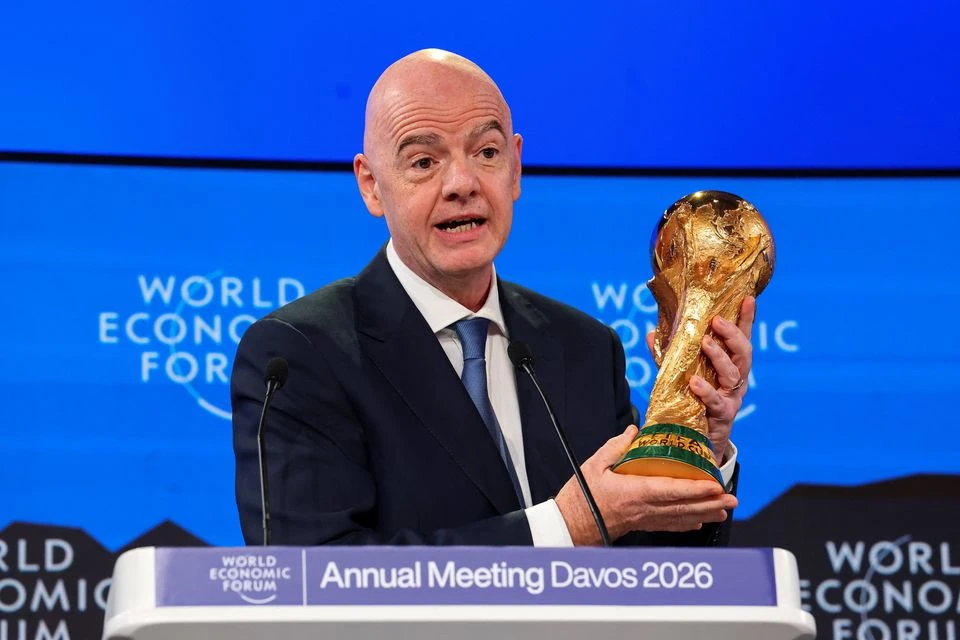
FIFA President Gianni Infantino confirmed that the 2026 World Cup will witness a symbolic halt to the Earth's rotation, as all attention will be directed towards the tournament hosted by the United States, Canada, and Mexico. In his speech at an investment summit in Miami, Infantino described the World Cup as "the biggest show on Earth."
The tournament, which kicks off on June 11, 2026, will feature 48 teams competing in 104 matches, making it an unprecedented event in football history. Infantino explained that this number of matches is equivalent to organizing 104 Super Bowl games in just one month, reflecting the scale and significance of the event.
Event Details
The World Cup matches will take place in 16 host cities across the three countries, with billions of viewers expected to follow the tournament on screens worldwide. Infantino noted that the anticipated economic impact of the event is around $80 billion, in addition to creating hundreds of thousands of job opportunities.
He also confirmed that there is significant global interest in attending the matches, with millions of tickets sold 76 days before the tournament begins. This interest reflects the passion of fans for football and enhances the World Cup's status as one of the largest sporting events in the world.
Background & Context
Historically, the World Cup is one of the most prominent sporting events that brings countries together and enhances cultural and economic ties. Since its inception in 1930, the tournament has become an eagerly awaited event for millions around the globe, witnessing a notable evolution in the number of participating teams and hosting venues.
With the increase in the number of teams from 32 to 48, this change reflects FIFA's desire to expand participation and enhance competitiveness among nations. Additionally, hosting the tournament across three countries showcases international cooperation in organizing major events.
Impact & Consequences
The effects of the World Cup extend beyond the sporting aspects, as the tournament contributes to boosting the local economies of the host countries through tourism and investment. The host cities are expected to experience significant economic revitalization due to the influx of visitors and fans.
The tournament also provides opportunities for infrastructure development, which contributes to improving the quality of life in those cities. The social impact of the tournament also extends to strengthening bonds among different communities and enhancing national pride.
Regional Significance
The 2026 World Cup is an important event for the Arab region, highlighting the role of Arab countries in hosting major sporting events. The success of the tournament could encourage other Arab nations to host similar competitions in the future.
Moreover, the participation of several Arab teams in the tournament enhances the chances of competing at the international level, contributing to the advancement of football in the region.
In conclusion, the 2026 World Cup represents a historic opportunity to unite fans around the world, as everyone will pause their daily routines to focus on football, reflecting the power and influence of this popular game.