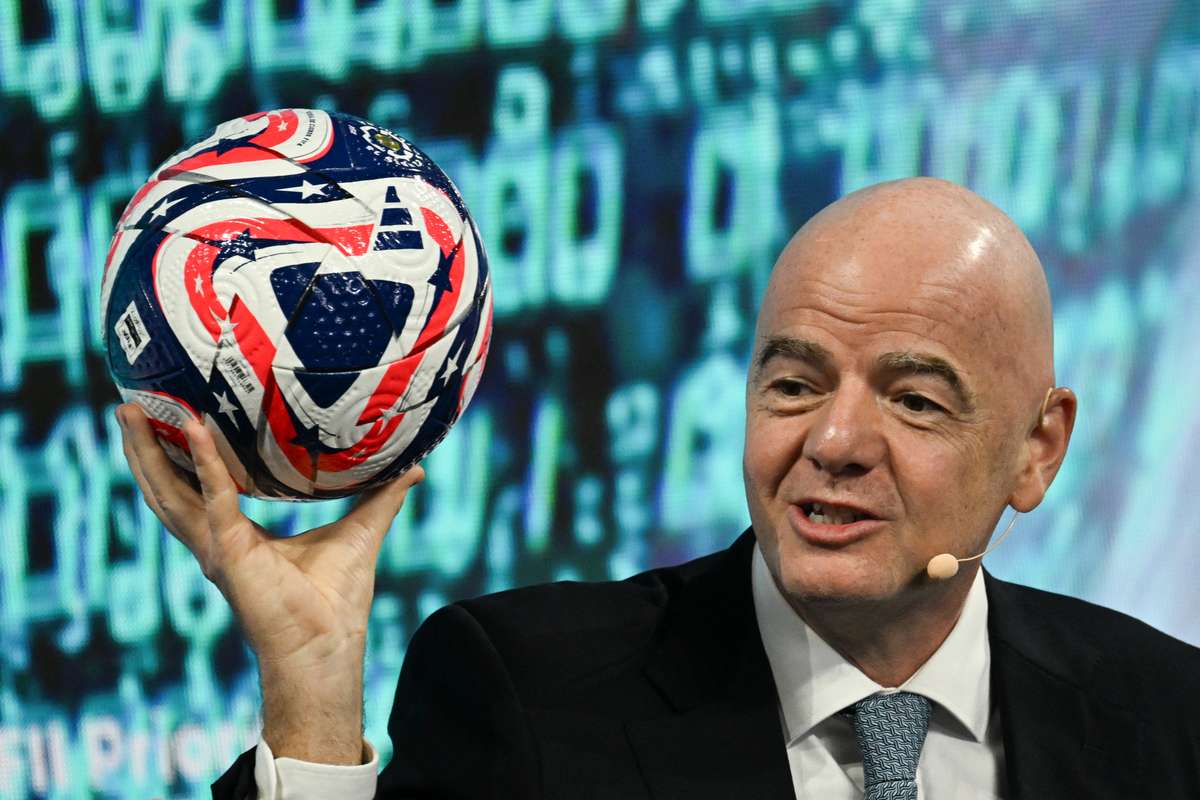
Gianni Infantino, the president of the International Football Federation (FIFA), has called on Iran to participate in the 2026 World Cup, scheduled to be held in the United States, Canada, and Mexico. This invitation comes at a time when the region is experiencing complex political tensions, particularly with the United States and Israel, raising questions about the possibility of Iranian teams participating in this major sporting event.
Infantino, who has been at the helm of FIFA since 2016, emphasized the importance of all countries participating in major sporting events, stressing that football should serve as a means of communication and understanding among peoples, regardless of political circumstances. These statements reflect FIFA's vision of enhancing ties between nations through sports.
Event Details
The 2026 World Cup will be hosted by three countries: the United States, Canada, and Mexico, marking the first time the tournament is organized across three nations. The tournament is expected to witness a large number of teams participating, making it one of the largest sporting events in the world. However, Iran's participation may face challenges due to the current political climate, with rising tensions between Tehran and Washington, in addition to the ongoing conflict with Israel.
Historically, Iran has participated in several previous editions of the World Cup, but political and economic conditions may impact its ability to participate in the upcoming edition. Through his invitation, Infantino aims to open doors for Iran's participation, which could contribute to improving relations between the conflicting nations.
Context and Background
The relationship between Iran and the United States dates back decades, characterized by ongoing tensions since the Islamic Revolution in 1979. In recent years, these tensions have escalated due to economic and political sanctions imposed on Iran, affecting many aspects of life in the country, including sports.
Conversely, FIFA has always sought to promote the concept of sports as a means of communication between different cultures. Previous tournaments have witnessed numerous attempts to engage countries in political conflicts, reflecting FIFA's desire to use sports as a tool for peace.
Implications and Effects
If Iran is able to participate in the 2026 World Cup, it could have significant implications for international relations. This participation may help alleviate tensions between Iran and the United States and open the door for greater dialogue between the nations. Additionally, Iran's involvement in a global sporting event could enhance the country's image on the international stage.
On the other hand, FIFA may face pressures from some countries opposing Iran's participation, which could complicate matters. However, Infantino appears determined to support the idea of participation, reflecting a new vision in the world of sports.
Impact on the Arab Region
Infantino's invitation to Iran to participate in the World Cup is a step that could affect relations between Arab countries and Iran. Amid ongoing tensions in the region, this participation could foster dialogue between Arab nations and Iran, especially given the shared issues related to security and stability.
Moreover, Iran's participation in a global sporting event could strengthen cultural and sporting ties between Arab countries and Iran, potentially contributing to improved relations among peoples.
In conclusion, Infantino's invitation for Iran to participate in the 2026 World Cup represents a bold step in the world of sports, as FIFA seeks to enhance communication between nations through football. Political challenges remain, but there is hope that sports can contribute to achieving peace and understanding among peoples.