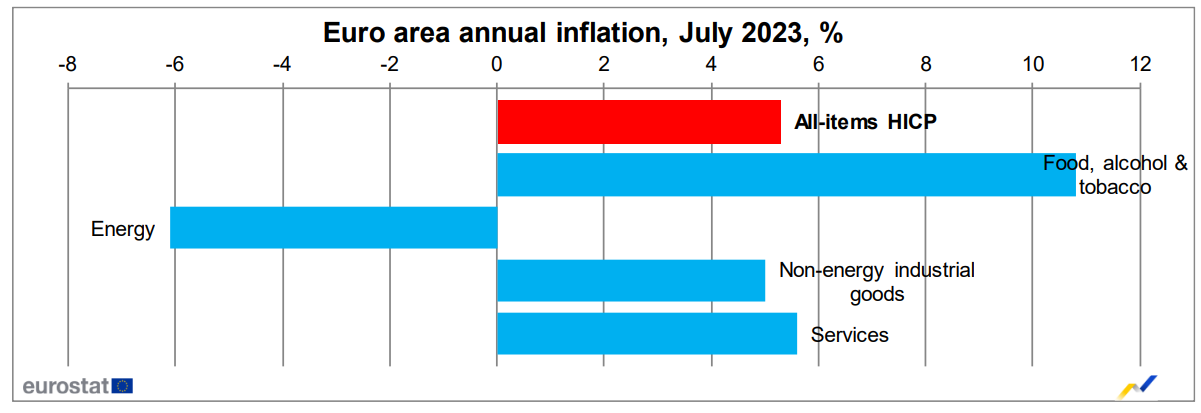
Inflation in the Eurozone has significantly increased to 2.5% in March, according to preliminary figures released by Eurostat on Tuesday. This rise follows an inflation rate of 1.9% in February, reflecting a substantial breach of the European Central Bank's target, which is set at 2%.
The increase in inflation is mainly due to the sharp rise in energy prices, coinciding with military operations launched by the United States and Israel against Iran at the end of February. Economists surveyed by Reuters had predicted the reading would reach 2.6%, indicating that the actual figures came in lower than expectations.
Details of the Event
This increase in inflation serves as a wake-up call for the European Central Bank, which faces significant challenges in achieving price stability under current conditions. The rise in energy prices, reflecting geopolitical disruptions, directly impacts the cost of living in the Eurozone, increasing pressure on households and businesses.
Reports indicate that energy prices have seen a notable increase, leading to higher production and transportation costs, which negatively affect the overall prices of goods and services. This dynamic could exacerbate economic conditions in the region, especially amid the challenges facing the global economy.
Background & Context
The Eurozone, which includes 19 of the 27 EU member states, has experienced significant economic fluctuations in recent years. Following the sovereign debt crisis that hit the region in 2010, member states began implementing strict measures to achieve economic stability. However, geopolitical events such as the conflict in Ukraine and military operations in the Middle East significantly impact the European economy.
Historically, energy prices have always been a significant factor in inflation. In recent years, the region has witnessed repeated increases in oil and gas prices, leading to a rise in the cost of living. As geopolitical tensions continue, these trends are expected to keep influencing the European economy.
Impact & Consequences
The ongoing rise in inflation may prompt the European Central Bank to take more stringent actions, such as raising interest rates, which could affect economic growth in the region. Increasing interest rates could lead to higher borrowing costs, burdening both businesses and households.
Moreover, rising inflation may erode consumers' purchasing power, which could negatively impact domestic demand. Under these circumstances, European governments may find themselves compelled to implement additional support measures to assist affected households.
Regional Significance
The Arab region is also affected by global economic changes, particularly those related to energy prices. Many Arab countries heavily rely on oil and gas exports, and any increase in prices could mean a rise in revenues. However, higher prices in global markets may also lead to increased living costs in energy-importing Arab countries.
In this context, Arab countries must closely monitor developments in the Eurozone, as any changes in European economic policies could impact trade and investment relations between the two sides.