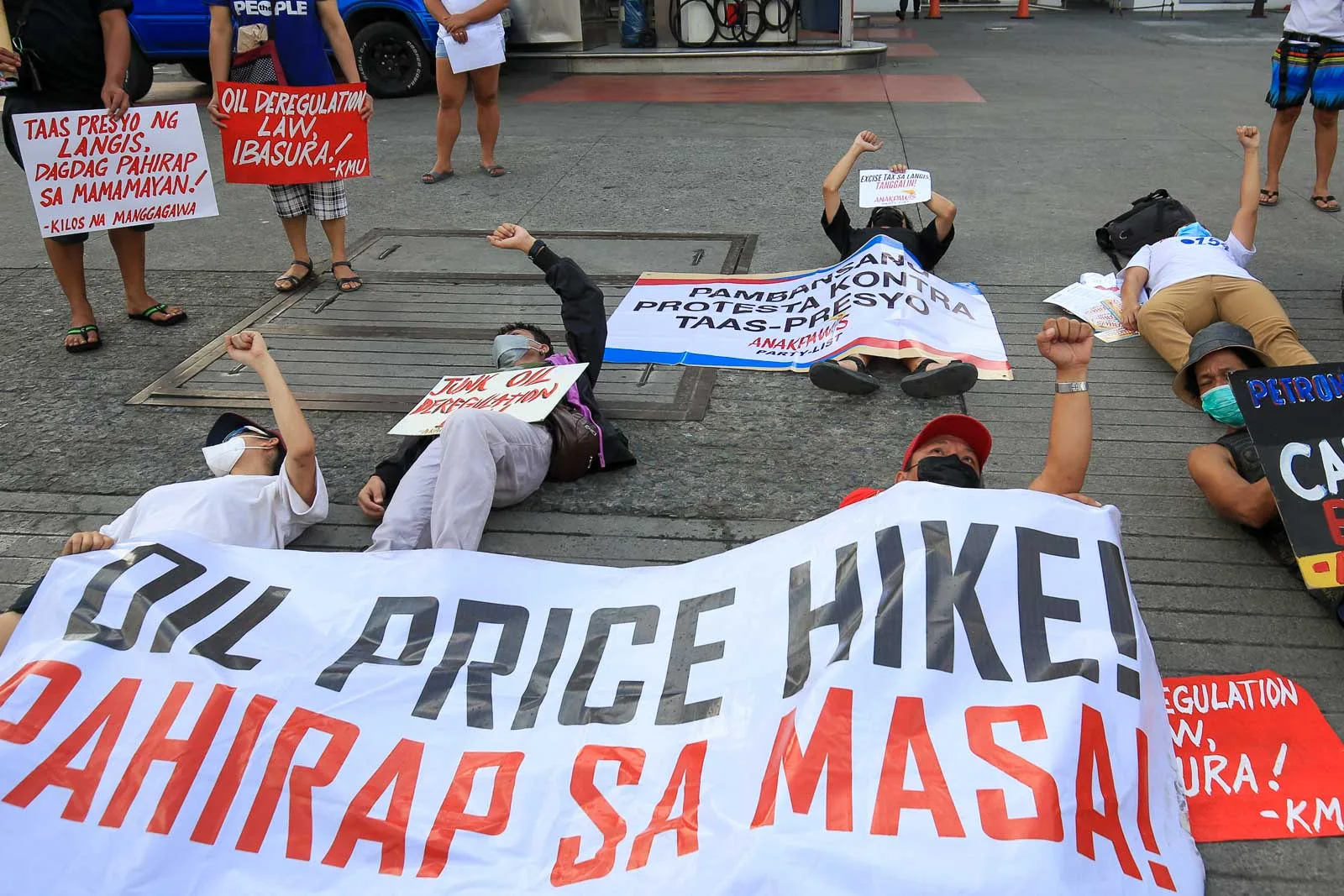
The Philippines witnessed a notable increase in inflation rates in March, with the inflation rate recorded at 6.4%, compared to 6.0% in February. This rise reflects negative impacts on the Philippine economy, as citizens face a marked increase in the cost of living.
This increase is a direct result of the geopolitical crisis in the Middle East, where the war in Iran has led to a reduction in oil supplies, affecting fuel prices in global markets. The Philippines, which heavily relies on oil imports, has been particularly affected by these developments.
Details of the Situation
The Philippine government is seeking to implement measures to mitigate the effects of this rise, including boosting local energy production and exploring alternative sources. However, economic challenges remain, raising concerns among citizens.
Historically, the Philippines has experienced fluctuations in inflation rates, often linked to global crises. In recent years, the country has been significantly affected by oil price volatility, with political crises in oil-producing countries leading to price increases.
Background & Context
The Philippines is one of the countries suffering from the repercussions of rising oil prices, as its economy heavily depends on imports. In 2020, the country also experienced a rise in inflation rates due to the COVID-19 pandemic, which increased pressures on Filipino households.
Impact & Consequences
The rise in inflation rates directly affects the purchasing power of citizens, with many facing difficulties in meeting their basic needs. This situation could lead to an increase in poverty rates, necessitating urgent government intervention.
Moreover, rising fuel prices may impact other economic sectors, such as transportation and trade, leading to increased costs for both businesses and consumers.
Regional Significance
The inflation surge in the Philippines serves as an indicator of how geopolitical crises can affect local economies, prompting attention from governments and analysts alike. The situation calls for a comprehensive approach to address the underlying issues and ensure economic stability.
In conclusion, the current inflationary pressures highlight the vulnerability of the Philippine economy to external shocks, necessitating proactive measures to safeguard the livelihoods of its citizens.