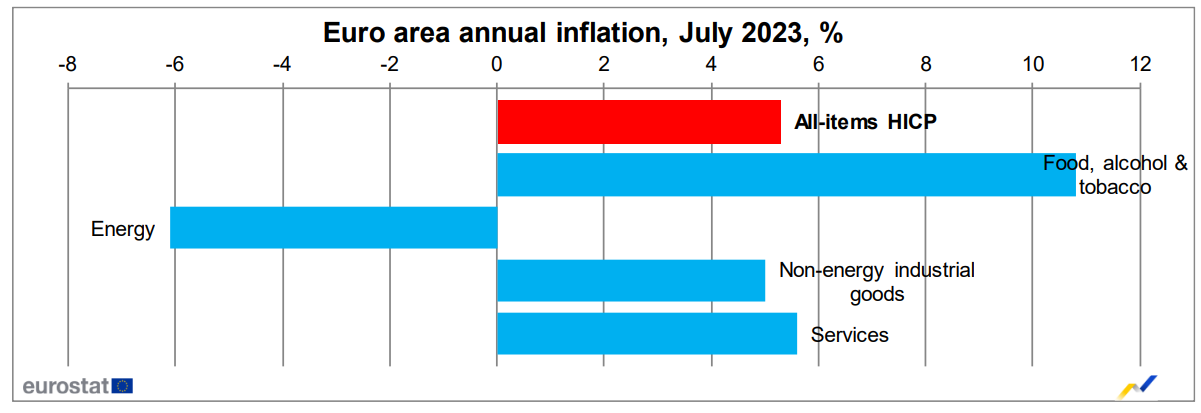
The inflation rate in the Eurozone has seen a significant increase of 2.5% in March, reflecting ongoing price pressures in the region. This rise comes at a time when European countries are facing multiple economic challenges, including the aftermath of the COVID-19 pandemic and the energy crisis.
This rate is higher than previous expectations, which had anticipated inflation to stabilize at lower levels. The increase in energy and food prices has significantly impacted this rate, leading to a rise in the cost of living for citizens.
Event Details
According to data released by Eurostat, the increase in the inflation rate is primarily attributed to a 30% rise in energy prices compared to last year. Food prices have also seen a notable increase, contributing to the pressure on household budgets.
Central banks in the region are seeking to address these pressures by adjusting monetary policies, with expectations of interest rate hikes in upcoming meetings. This approach is part of an effort to control inflation and ensure price stability in the future.
Background & Context
Historically, the Eurozone has experienced fluctuations in inflation rates, significantly influenced by global economic crises. With the outbreak of the COVID-19 pandemic, European countries faced additional challenges, leading to increased government spending and price inflation.
The war in Ukraine and its impact on the energy market have also contributed to rising inflationary pressures. These combined factors make it difficult for governments and central banks to make effective decisions to combat inflation.
Impact & Consequences
The rise in the inflation rate is expected to affect economic growth in the Eurozone, as rising prices may lead to reduced consumer spending. This could negatively impact businesses and affect employment levels.
Additionally, higher interest rates may increase borrowing costs, discouraging new investments and impacting long-term economic growth. Therefore, balancing inflation control with growth stimulation will be a significant challenge for policymakers.
Regional Significance
The Eurozone is a major trading partner for many Arab countries, so the rise in the inflation rate may affect trade and investments between the two sides. Higher prices in Europe are likely to reduce demand for Arab goods, impacting the economies of these countries.
Furthermore, changes in European monetary policies may affect investment flows to the Arab region, necessitating proactive measures from Arab governments to address these challenges.
The rise in the inflation rate in the Eurozone reflects the increasing economic challenges facing the region, requiring an effective response from governments and central banks to ensure price stability and economic growth.